I used to believe reading another productivity book would finally unlock the breakthrough I needed. My Kindle library filled up with 30+ titles on time management, while my side business sat in the same stuck spot for months. The irony hit me at 1 a.m. on a Tuesday: I was researching how to stop wasting time instead of actually building.
If you’re juggling a day job, family commitments, and an online business in stolen hours, generic corporate productivity advice will fail you. You need frameworks designed for fragmented schedules, not eight-hour blocks with a team to delegate to. This guide reviews 15 time management books through one specific filter: which ones actually work when you have five to ten weekly hours and zero margin for wasted effort?

Time Management for Online Entrepreneurs
A genuine time management book teaches repeatable systems that produce more meaningful business output in fewer, better-focused hours. These frameworks work within the constraints of a side-hustler’s reality, not one-off tips you forget by next week.
Most productivity manuals assume the reader manages an office team with predictable eight-hour workdays. That structure doesn’t exist for solopreneurs. You’re operating in the gaps between your main job, family obligations, and basic survival needs. The books worth reading acknowledge this constraint upfront and build their methods around it.
The best titles focus on three core outcomes. First, they help you identify which activities move revenue or audience growth forward.
Second, they provide capture systems that prevent mental overload when juggling multiple life roles. Third, they address the procrastination and decision fatigue that kill momentum after a full workday.
Most business books tell you to delegate tasks below your pay grade. That advice is useless when you are the entire team. Most business books assume you have customer service staff and operational infrastructure. The frameworks in this guide assume you’re both CEO and intern, and they provide concrete tactics for that exact situation.
Why Most Time Management Books Fail Solopreneurs
Research from Founder Reports shows that 35% of solopreneurs report high stress levels, a higher rate than business owners with employees. This data proves that generic hustle-harder advice is actively harmful rather than helpful.
When a book tells you to wake up at 4 a.m. and grind for three hours before your day job, it’s prescribing burnout, not productivity.
The problem intensifies across generations. Forbes reports that 67% of more than 1,000 side hustlers say their hustle is burning them out, with Gen Z at 73% and Millennials at 68%. Meanwhile, over 36% of U.S. adults currently run a side hustle according to Bankrate.
The math is brutal. Millions of people are attempting to build businesses using advice designed for a completely different work structure.
Most bestselling productivity books assume you have a structure to delegate within. They tell you to hire a virtual assistant, build a team, or hand off low-value tasks. When you’re bootstrapping a blog, YouTube channel, or online store with $200 in your business account, that advice is financially impossible.
You can’t buy back your time when there’s no profit to buy it with yet.
The second failure pattern is advice built for long uninterrupted work blocks. Books written for corporate executives assume you can block four-hour deep work sessions. A solopreneur working around a full-time job is operating in 30-minute to two-hour windows stolen from mornings, lunch breaks, or late evenings.
Frameworks that require extended focus without explaining how to achieve results in fragmented time windows simply don’t transfer to your reality.
The third disconnect is motivational fluff without systems. Many popular titles deliver inspiring stories about successful entrepreneurs but provide no concrete implementation framework. You finish the book feeling energized but have no clear next action. Within a week, you’re back to your old patterns because inspiration without a system always fades.
How to Choose the Right Book for Your Stage and Schedule
The biggest mistake solopreneurs make is choosing a time management book based on ratings or popularity instead of matching it to their current bottleneck. A book that transformed someone else’s business might be completely wrong for your situation right now. Your selection should answer one question: which practical tips will stop procrastinating on the right things this week?
Overwhelmed and Scattered: Start With a Capture System
Your brain is holding 40+ tasks simultaneously. That’s not a focus problem. That’s a storage problem. You need an external system before you need optimization.
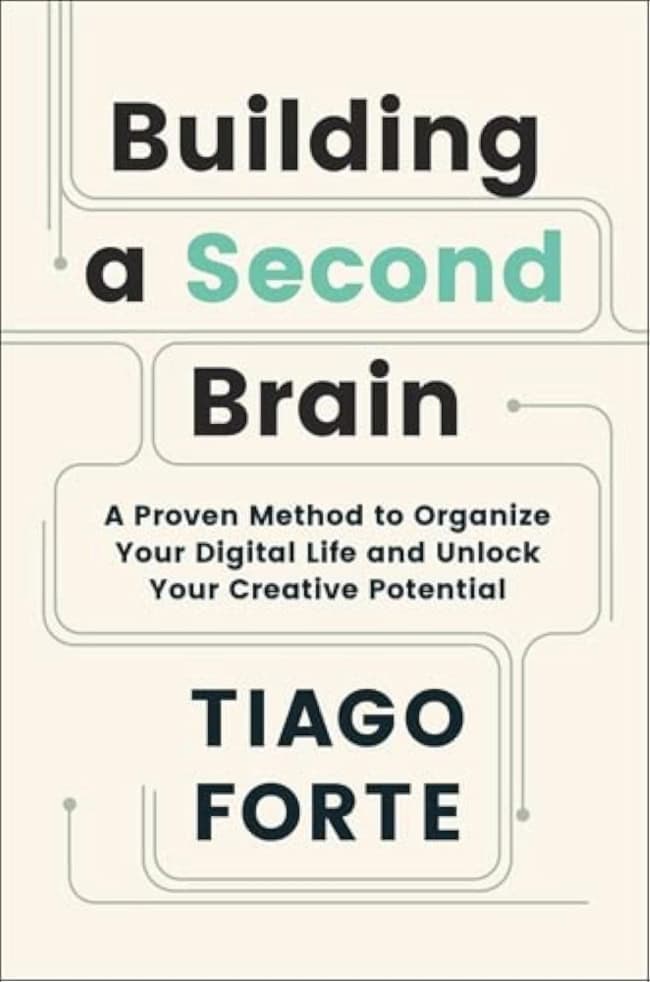
Building a Second Brain by Tiago Forte takes the capture concept further with a complete personal knowledge management system. The CODE method, Capture, Organize, Distill, Express, turns scattered digital information into reusable creative assets. If you’re drowning in bookmarks, screenshots, and half-finished notes across five apps, this book builds the organizational backbone that makes every other productivity system work better.
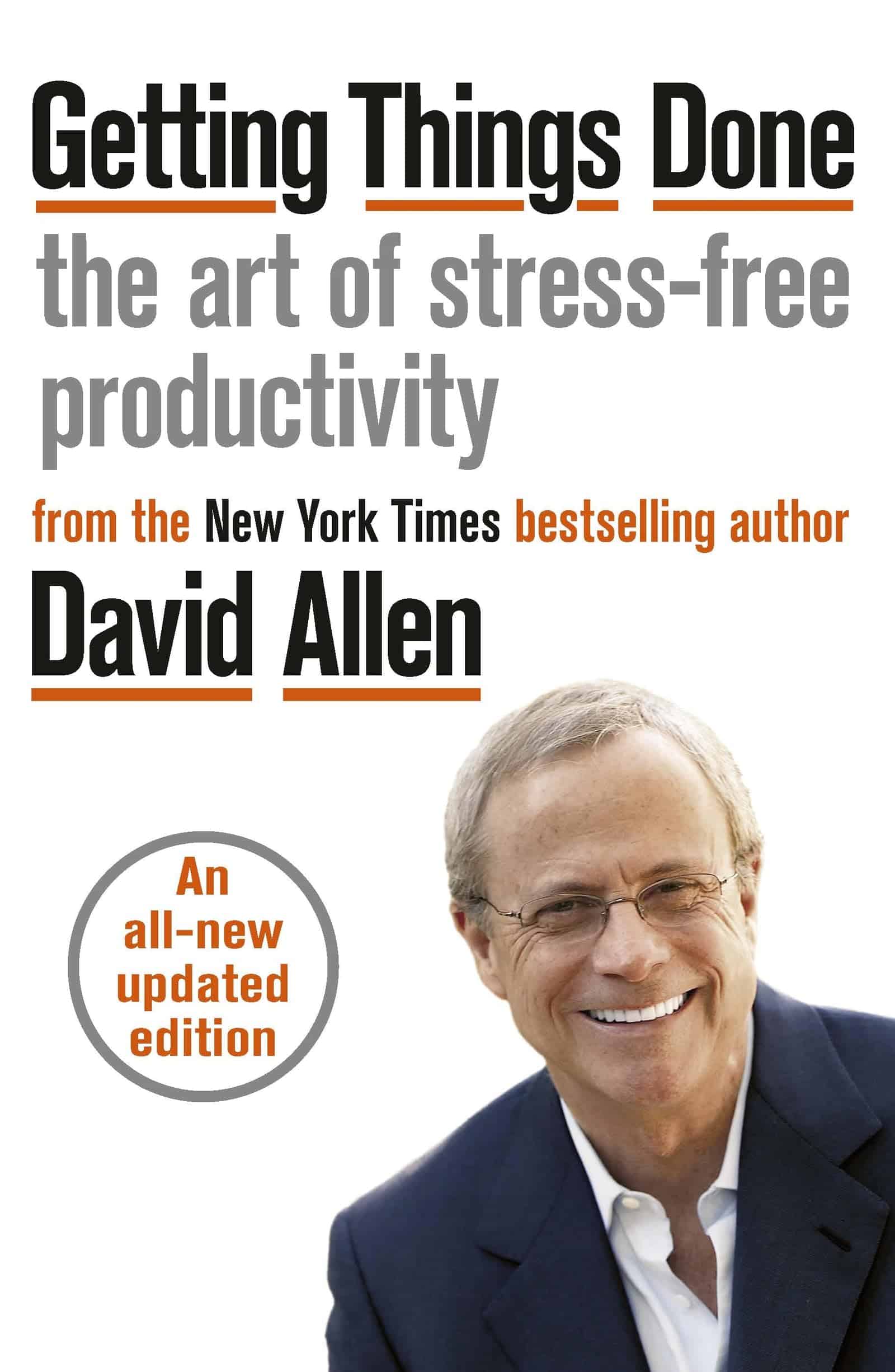
Getting Things Done by David Allen provides the most comprehensive capture system. The weekly review runs in 30 minutes once you build the habit, and it externalizes every open loop so your cognitive bandwidth is freed for actual work.
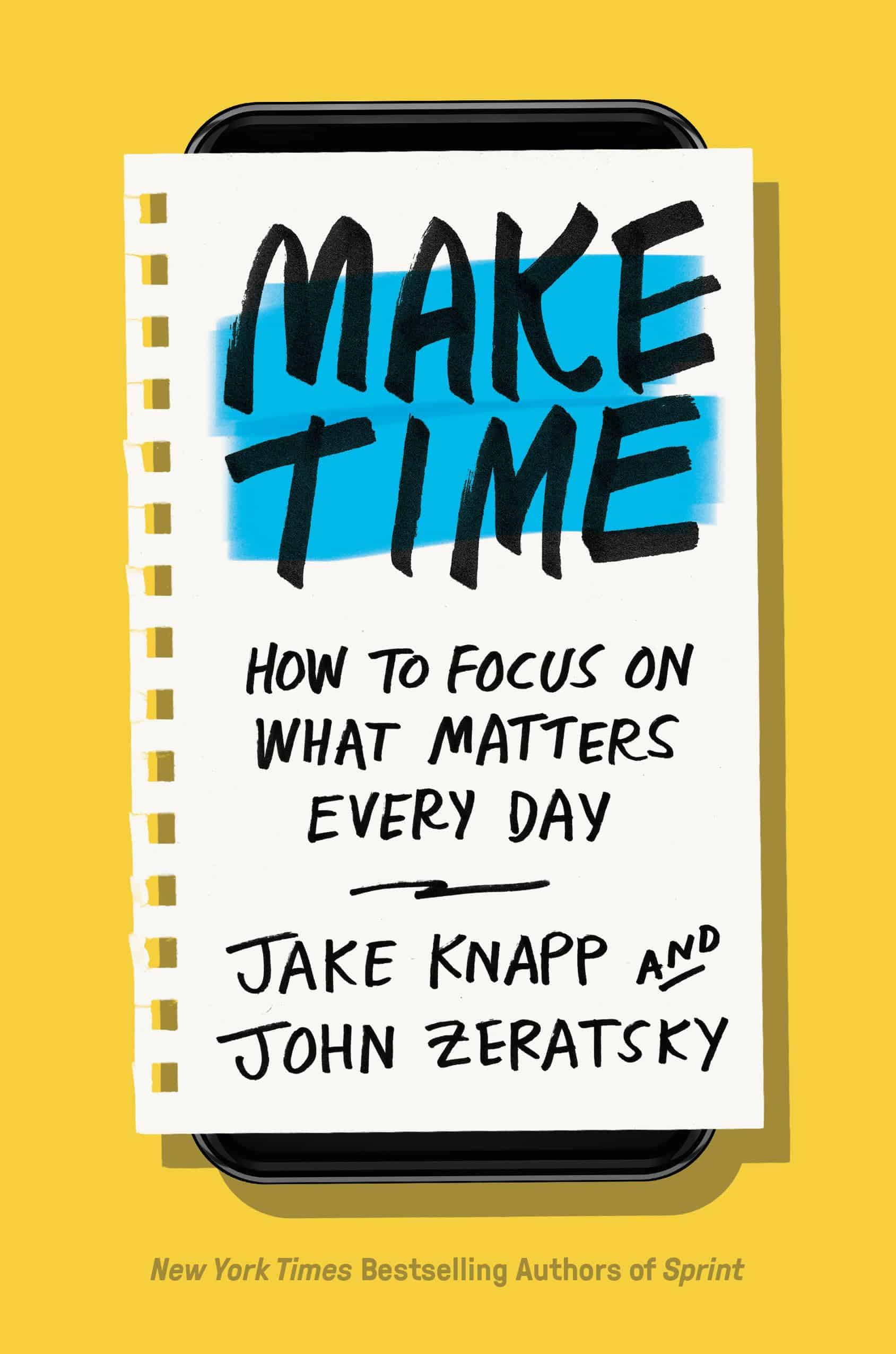
Make Time by Jake Knapp and John Zeratsky offers a lighter framework if GTD feels too complex initially. You can test one tactic at a time without committing to an entire methodology.
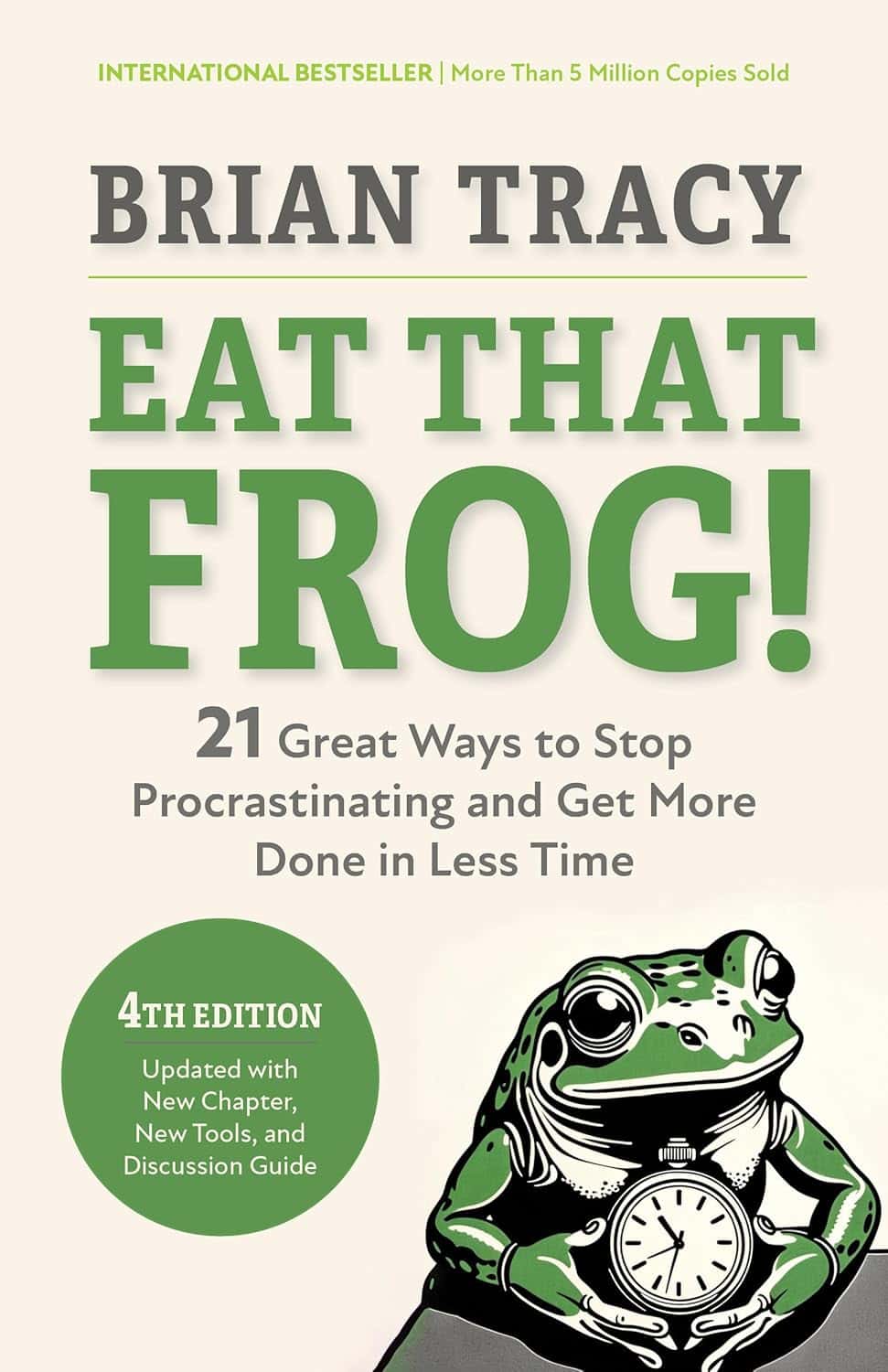
Eat That Frog! by Brian Tracy is the fastest implementation. The entire book is readable in a weekend, and the core principle, tackle your most impactful task first thing each morning, is usable without setup. If you’re drowning and need a life raft today, start here.
Too Many Projects, No Traction: Use a Focus-Narrowing Book
You’re posting to YouTube, TikTok, email, and a podcast. You’re guaranteeing mediocrity on all four. The problem isn’t your work ethic. The problem is dilution.
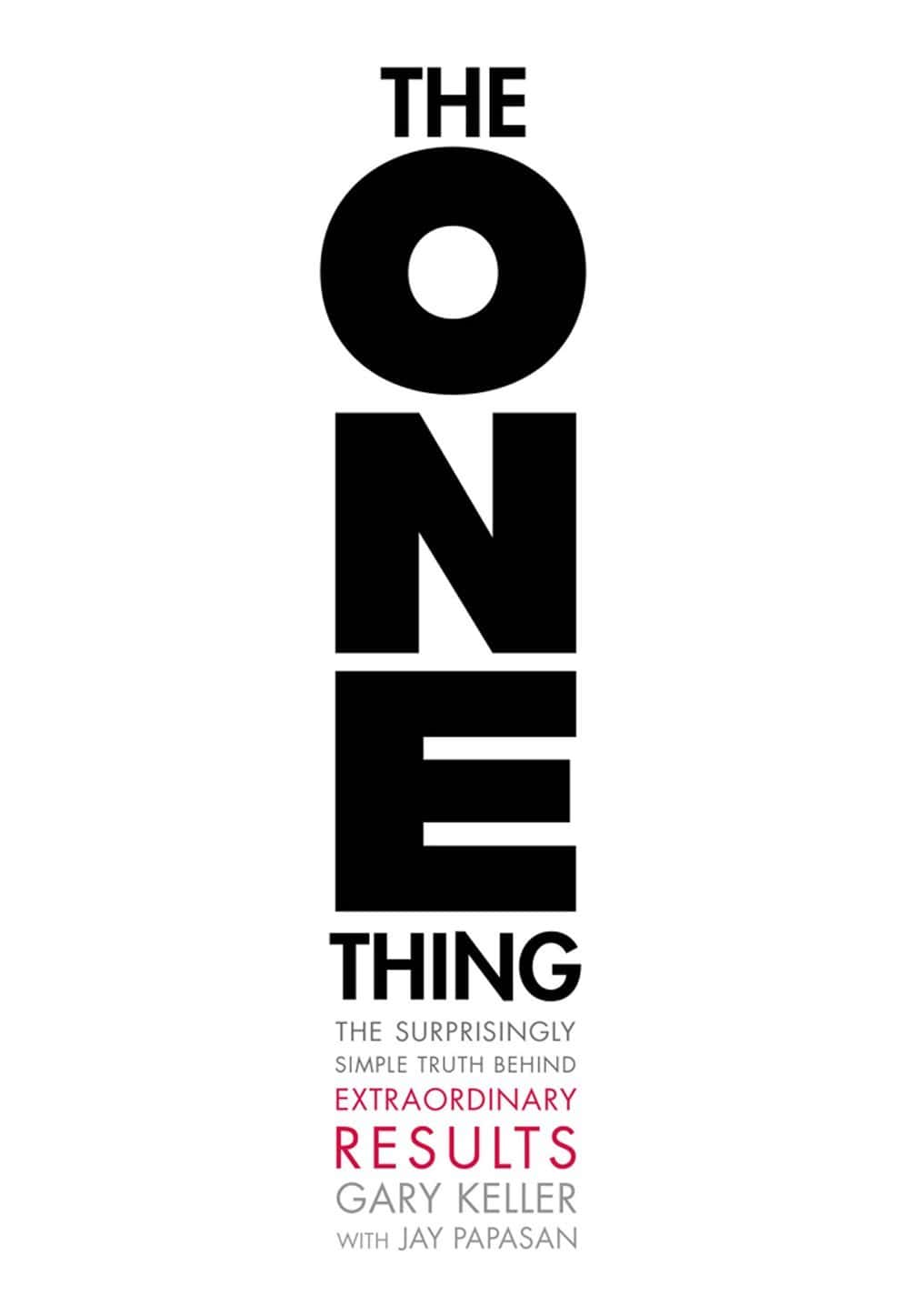
The ONE Thing by Gary Keller and Jay Papasan cuts through this trap with one focusing question you ask daily.
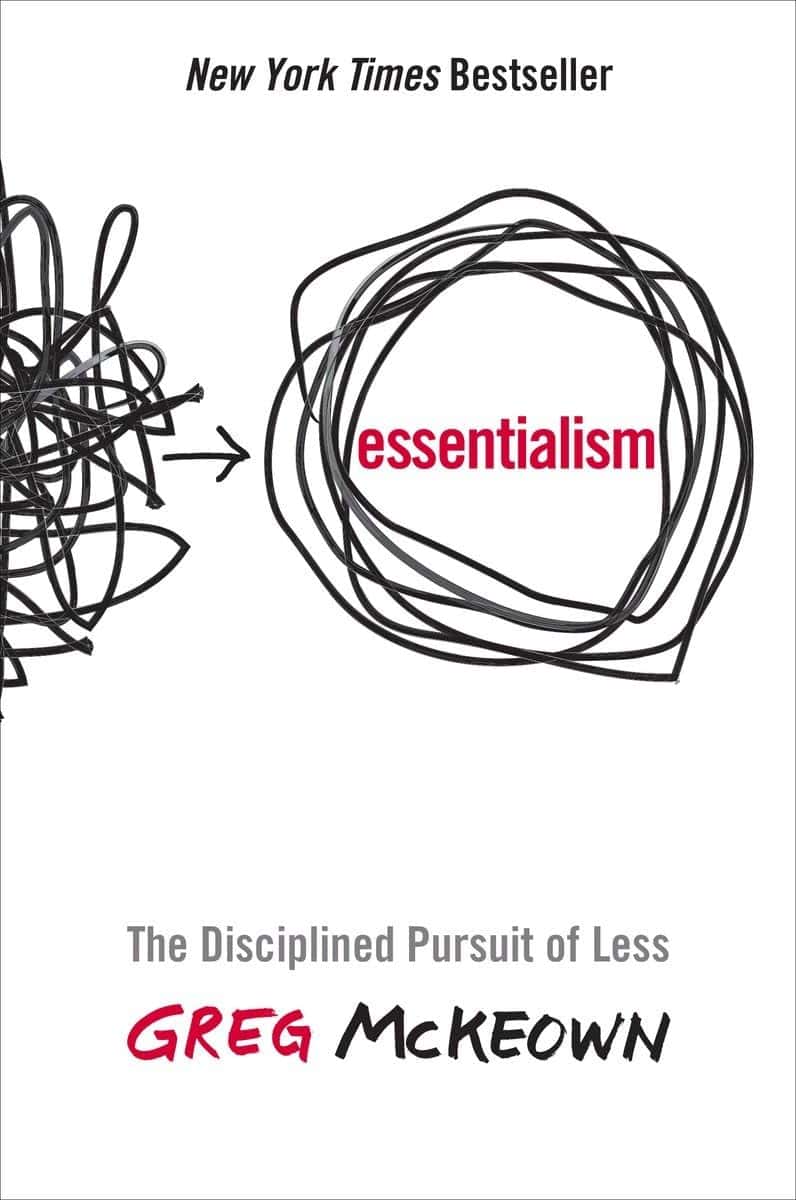
Essentialism by Greg McKeown provides a three-part filter, Explore, Eliminate, Execute, for systematically deciding which projects deserve your limited hours. Both books force uncomfortable prioritization, which is exactly what most solopreneurs need but avoid.
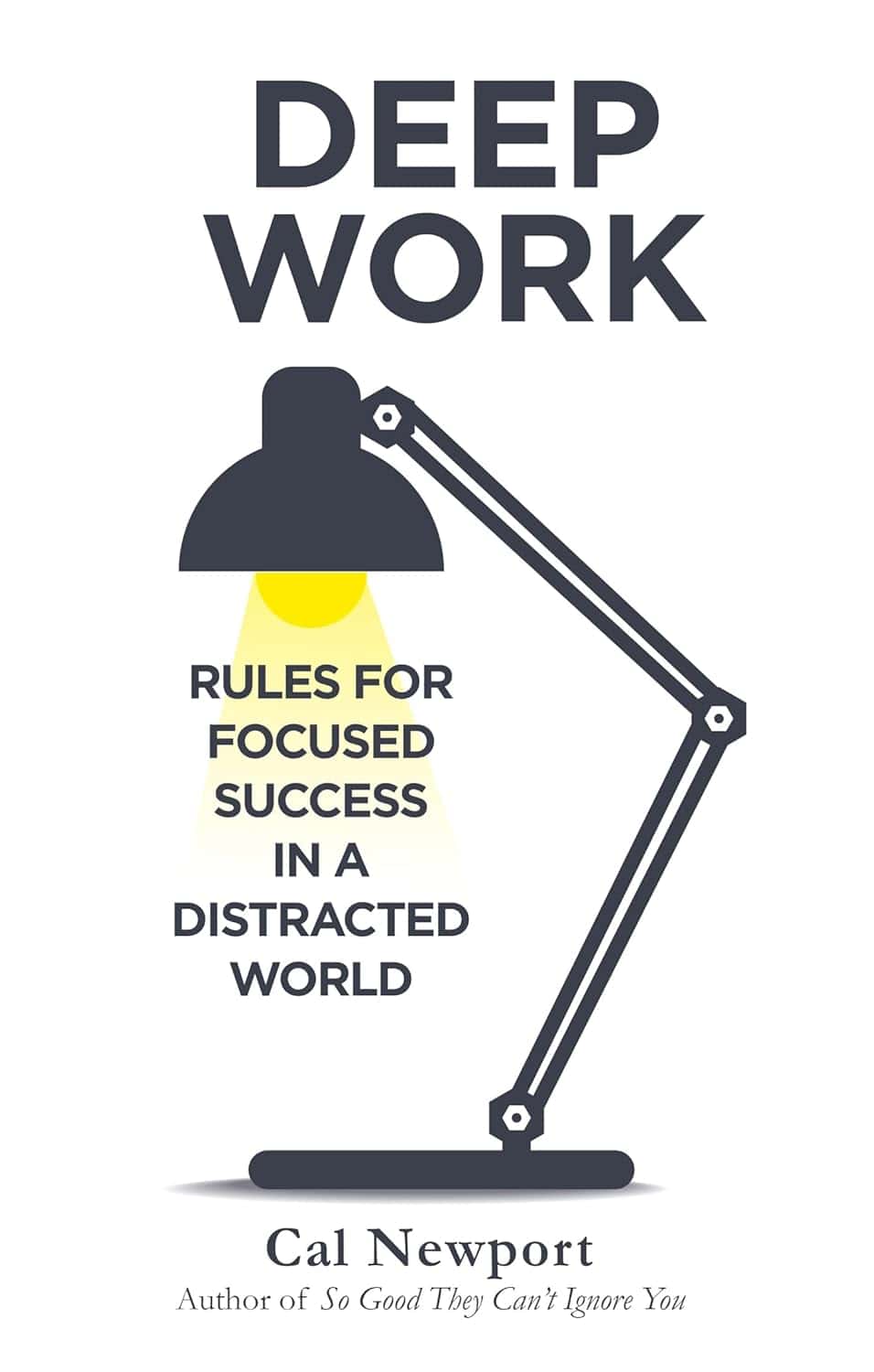
Deep Work by Cal Newport builds the focusing capacity itself. The book teaches you to protect and expand your ability to work without distraction, which is a trainable skill rather than an innate trait. If you find yourself constantly context-switching or checking email marketing metrics during creative work, this framework addresses the root cause.
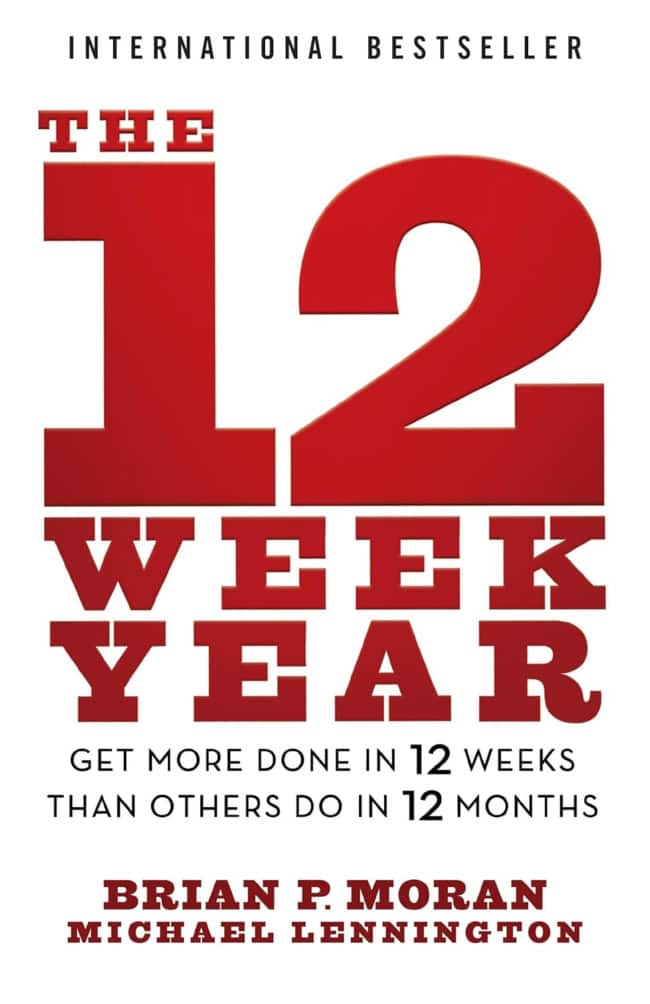
The 12 Week Year by Brian Moran and Michael Lennington attacks the focus problem from a different angle by compressing your planning cycle from twelve months to twelve weeks. Annual goals breed complacency. When your deadline is 12 weeks away instead of 12 months, urgency replaces procrastination naturally. For side-hustlers who keep pushing important tasks to “next quarter,” this reframe eliminates the runway for delay.
Already Focused but Burning Out: Try a Pace Reset
You’re publishing every week. You dread every session. This isn’t a motivation problem. Grinding harder won’t fix burnout. You need a structural intervention that reframes how you measure productivity itself.
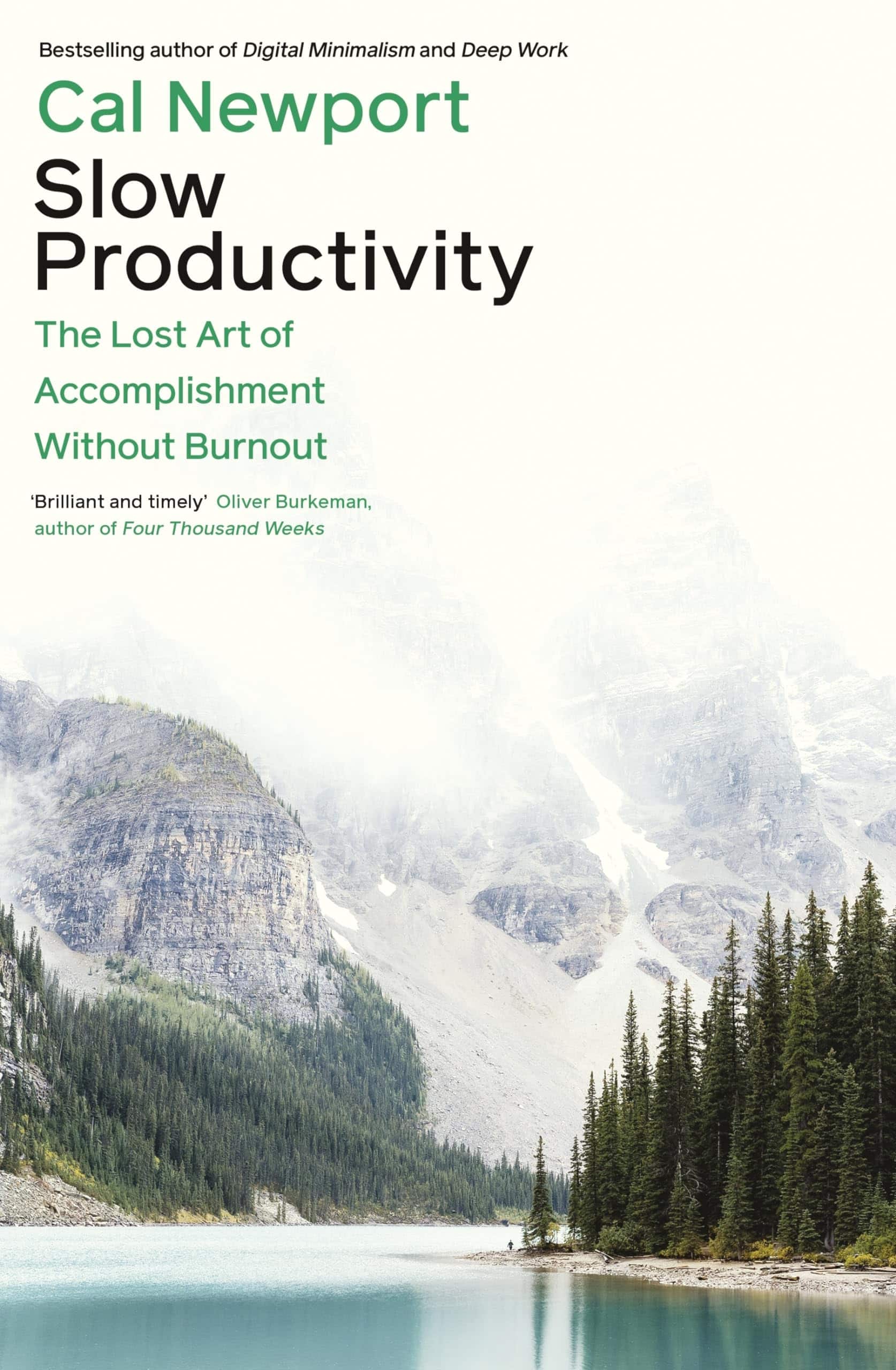
Slow Productivity by Cal Newport argues that visible busyness is the enemy of genuine creative output. The three principles, do fewer things, work at a natural pace, obsess over quality, directly counter the social media-fueled performance of constant hustle. This book is most valuable for solopreneurs past the six-month mark who are producing more content but enjoying it less.
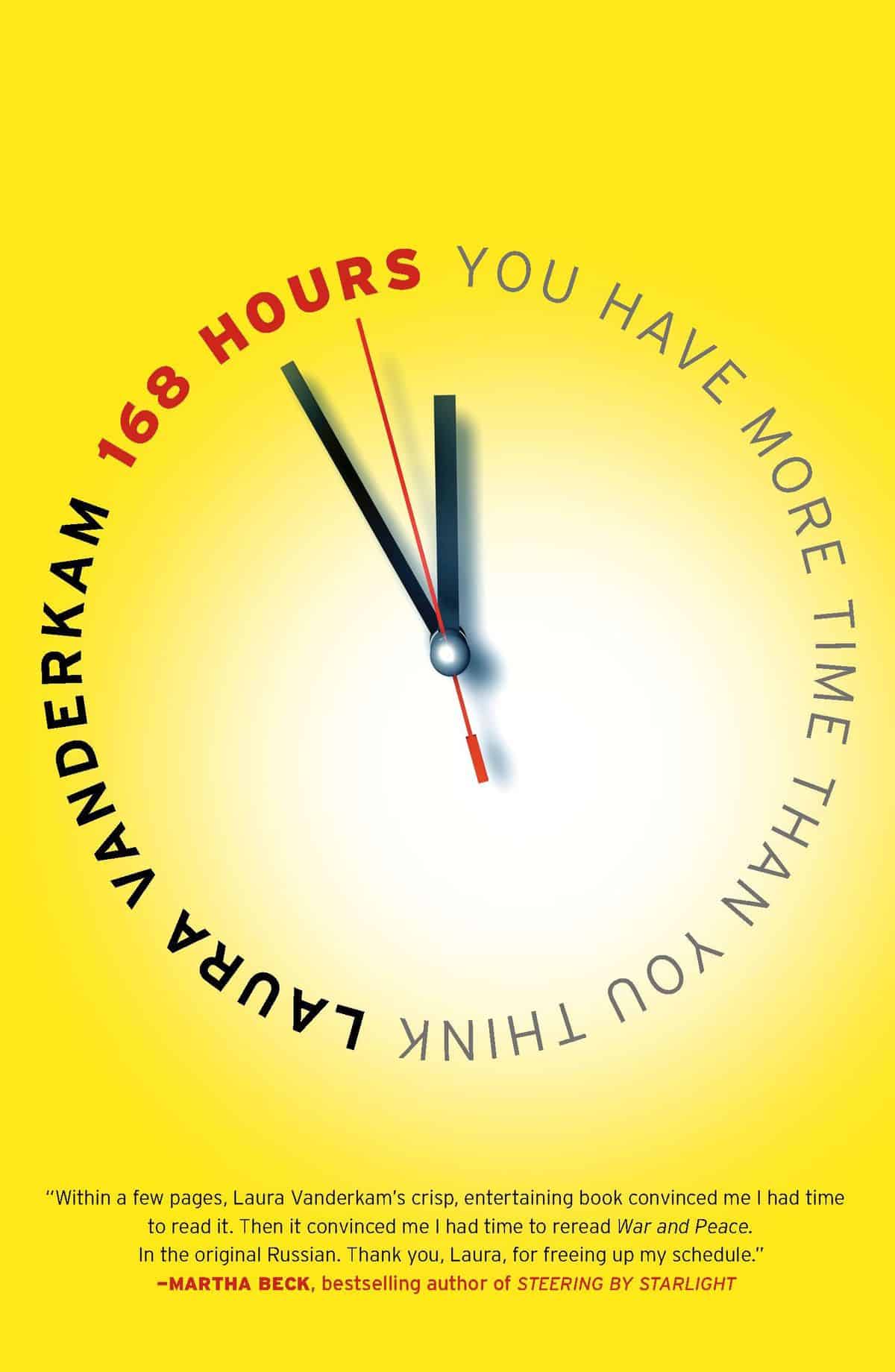
168 Hours by Laura Vanderkam reframes the “I have no time” belief by showing where your 168 weekly hours go. Time-tracking reveals the gap between perceived busyness and actual focused work. Most solopreneurs discover they have more available hours than they thought, but those hours are leaking into low-value activities.
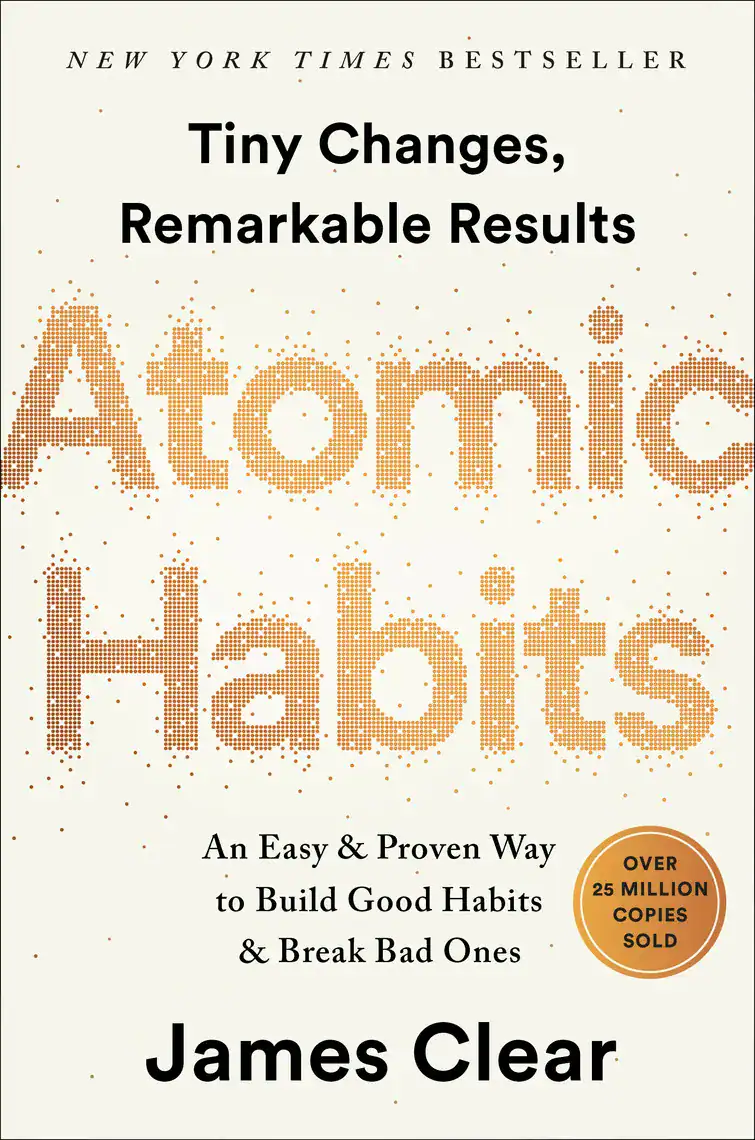
Atomic Habits by James Clear focuses on sustainable systems rather than willpower-dependent sprints. The Four Laws of Behavior Change help you lock in consistent work sessions without relying on motivation.
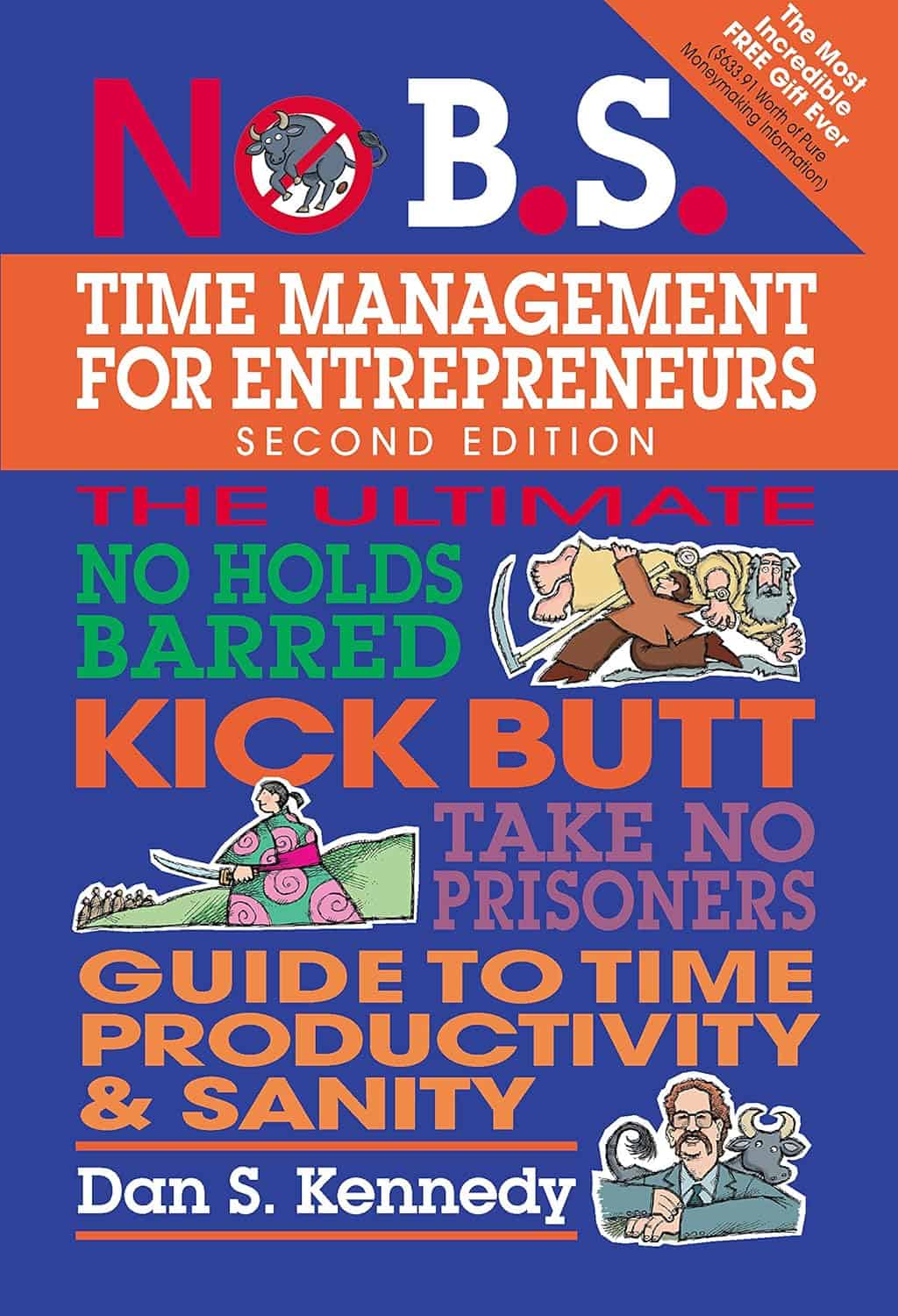
No B.S. Time Management by Dan Kennedy calculates your true hourly worth, making every distraction a visible financial cost. Both approaches treat burnout as a systems failure, not a personal weakness.
Ready to Scale or Systemize: Use an Automation or Delegation Framework
When you have consistent revenue but you’re still trapped by operational tasks, the next breakthrough comes from removing yourself as the bottleneck. These books assume you’ve proven your business model and now need leverage to grow without working more hours.
Buy Back Your Time by Dan Martell teaches you to calculate your “Buyback Rate,” the hourly threshold below which outsourcing or automating makes financial sense. This framework only works if you have revenue to calculate from, so skip it if you’re pre-profit. Clockwork by Mike Michalowicz provides a step-by-step process to build a business that runs without you, using the benchmark of a four-week vacation with no revenue loss.
The 4-Hour Workweek by Tim Ferriss is specifically designed for solopreneurs building passive income streams like digital products, dropshipping, print-on-demand, or courses. The DEAL framework (Define, Eliminate, Automate, Liberate) only applies when your business model allows income to decouple from hours worked. If you’re trading time directly for money through freelancing or hourly consulting, you need a different business plan first.
Book Selection Guide: Quick Reference
| Book Title | Best For | Time to Implement | Key Outcome |
|---|---|---|---|
| Eat That Frog! | Overcoming procrastination | Immediate (weekend read) | Start with your most important task daily |
| Atomic Habits | Building consistent work habits | 2 weeks to see results | Lock in daily work sessions without willpower |
| The ONE Thing | Scattered focus across platforms | 1 week to identify focus | Narrow to single highest-leverage activity |
| Getting Things Done | Mental overwhelm from juggling roles | 2-3 weeks setup | External capture system frees cognitive bandwidth |
| Deep Work | Constant distraction and context-switching | 3-4 weeks to build capacity | Protect and expand focused work blocks |
| Make Time | Unpredictable daily schedule | Test tactics weekly | Choose one daily priority, protect it |
| Slow Productivity | Burnout from unsustainable pace | 30-60 days to reset | Do fewer things at higher quality |
| Building a Second Brain | Information overload across tools | 2-3 weeks setup | Personal knowledge system that compounds |
| The 12 Week Year | Annual goals that never get done | 1 week to start first cycle | Compressed execution cycles with weekly scoring |
The 15 Best Books: Reviewed for Solopreneurs and Side-Hustlers
Each book below is evaluated through one specific lens: does it work when you have five to ten weekly hours, zero team to delegate to, and a business you’re building around other life commitments? Ratings and popularity don’t matter. Implementation feasibility for your constraints does.
Building a Second Brain by Tiago Forte
Your brain is for having ideas, not storing them. Forte’s entire methodology rests on this distinction. The CODE framework, Capture, Organize, Distill, Express, provides a complete pipeline for turning the constant stream of articles, ideas, notes, and inspiration into a personal knowledge system that compounds over time. For solopreneurs juggling a day job, side business, and family, this system stops you from losing the ideas that show up at inconvenient moments.
The PARA organization system is the most immediately useful concept for side-hustlers managing multiple life roles. You sort everything into four categories: Projects (active with deadlines), Areas (ongoing responsibilities), Resources (topics of interest), and Archives (inactive items). Your blog redesign is a Project. Content marketing is an Area. SEO tactics are a Resource. Last year’s failed product launch goes into the Archive. This structure mirrors how solopreneurs actually think and prevents the common trap of mixing work notes, business ideas, and personal research into one chaotic pile.
For someone managing both a day job and a side business, PARA creates clear boundaries between life roles inside a single system. Each category maps to a distinct part of your life, and the whole thing scales from a single note-taking app to a full knowledge management stack without restructuring. You don’t need a complex setup. A free tool like Notion, Google Keep, or Apple Notes works fine as your starting point.
The “Intermediate Packets” concept changes how you approach creative work with limited time. Instead of sitting down to write a full blog post in one session, you build it from pre-assembled components: a research note captured last Tuesday, a framework you distilled from a podcast, an outline you sketched during lunch. This modular approach means every 20-minute work window produces a reusable asset rather than incomplete output that needs context to resume.
Forte developed the system while dealing with a chronic health condition that severely limited his productive hours. That constraint forced him to build workflows where every hour counted. For solopreneurs operating in stolen time windows between a day job and family obligations, this origin story validates the framework’s core assumption: you can produce significant creative output without long uninterrupted blocks if your knowledge system does the heavy lifting between sessions.
One criticism that holds weight: the book sometimes reads like a course pitch. Forte built a successful cohort-based course around these concepts before publishing, and certain sections feel like they’re setting up a deeper methodology that requires the paid program. The book contains enough to implement the full system on its own, but you’ll need to resist the upsell and focus on the core CODE and PARA frameworks without overcomplicating things.
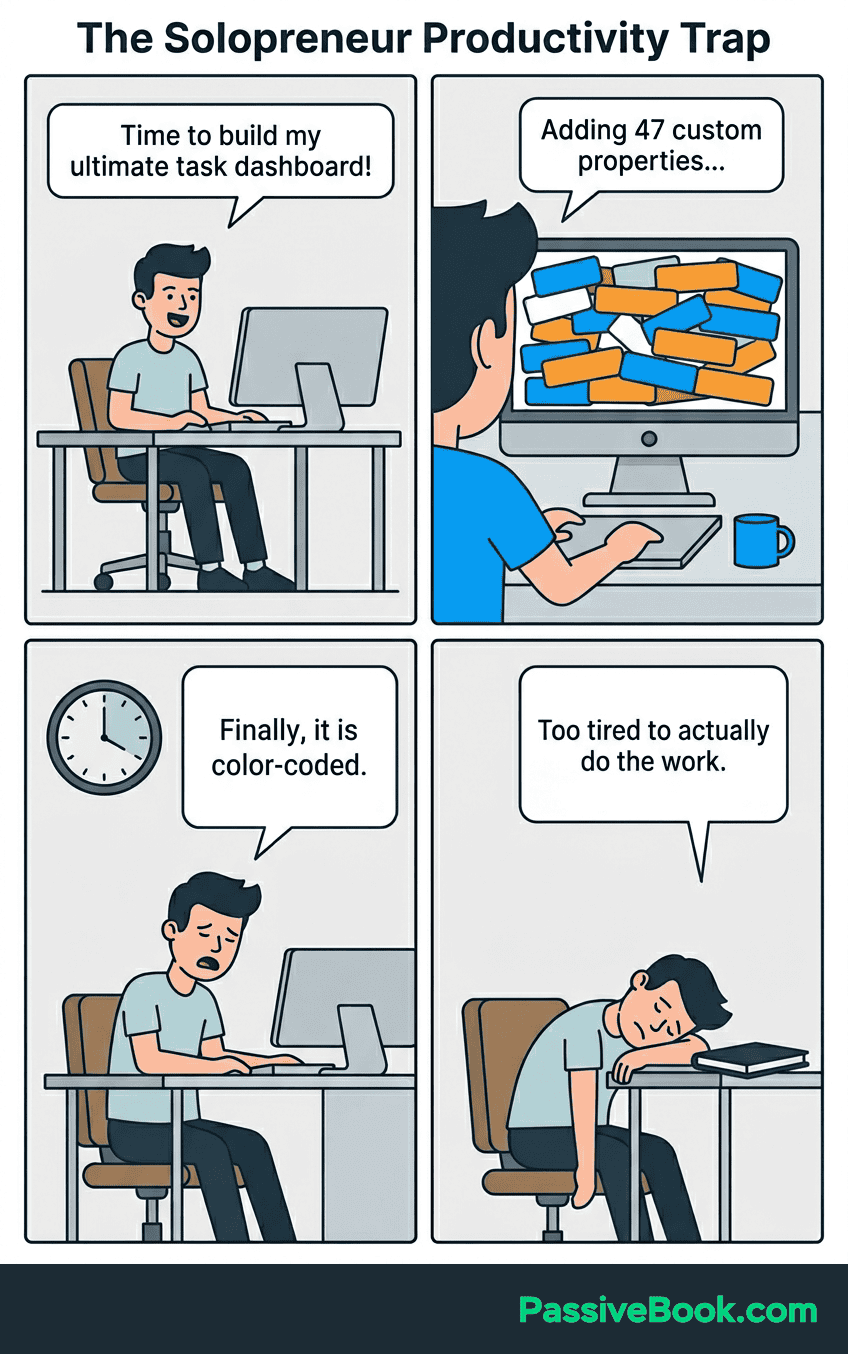
The biggest trap for solopreneurs is spending more time organizing their system than creating output. Forte addresses this directly with his philosophy of organizing for action, not for completeness. Your Second Brain should be messy and functional, not beautiful and unused. If you catch yourself color-coding folders instead of writing content, you’ve missed the point entirely.
Atomic Habits by James Clear
The Four Laws of Behavior Change provide a repeatable framework for locking in the habits highly effective people use for consistent side-hustle work sessions without relying on motivation or willpower alone.
Clear’s system, make it obvious, make it attractive, make it easy, make it satisfying, converts intention into non-negotiable daily action through environmental design.
The habit stacking method is the most usable concept for time-starved solopreneurs. You link new behaviors to existing triggers you already perform every day. “After I pour my morning coffee, I open my draft and write for 20 minutes” creates a cue-response pattern that doesn’t require remembering or choosing.
The trigger happens automatically, so the work follows automatically.
Most productivity books assume you’ll use a calendar or app to remember your priorities. Atomic Habits eliminates that decision point entirely by embedding your business tasks into routines you already execute. For someone juggling a full-time job and side business, this approach removes the friction that kills momentum when you’re tired after a long workday.
The book shows how small improvements compound over time. A 1% daily gain produces 37x better results over a year. This math is critical for solopreneurs who get discouraged when visible progress feels slow.
Clear documents why consistency at a sustainable pace beats sporadic intensity, which directly addresses the burnout cycle many side-hustlers experience.
One practical application: use the Two-Minute Rule to overcome procrastination on your most avoided task. Scale it down to an action so small you can’t say no, “write one sentence” instead of “write a blog post.” Once you start, the activation energy barrier drops and you typically continue past the two minutes. This tactic works well when you only have a 30-minute window before your next obligation.
The One Thing by Gary Keller & Jay Papasan
Ask one question every morning: “What’s the one thing I can do today that makes everything else easier or unnecessary?” That’s the entire book. This single filter cuts through the multi-platform trap that stalls most online entrepreneurs. Instead of trying to grow YouTube, TikTok, email, and a podcast simultaneously, you identify the single channel that unlocks the others.
With over 500 appearances on national bestseller lists, including number one on The Wall Street Journal’s hardcover business list, the core principle is proven across industries. The concept scales from daily tasks to annual strategy.
The time-blocking method prescribed in the book protects your most important work from interruptions. You schedule your ONE Thing first, during your peak energy hours, and treat that block as non-negotiable. Everything else fills in around it. For someone working a day job, this typically means blocking early mornings or evenings before family obligations take over.
Keller addresses the guilt many side-hustlers feel about saying no to opportunities. The book reframes every yes to a low-priority project as an automatic no to your most important goal. This mental shift is critical when you’re building a business with limited hours.
One challenge for budget-conscious solopreneurs: the examples often feature business owners with teams and resources. You’ll need to mentally translate the principles to your solo context, but the focusing question itself remains universally applicable regardless of business size or stage.
Deep Work by Cal Newport
Newport defines deep work as distraction-free, cognitively demanding effort, the only mode that produces real creative output. His research establishes that four hours per day is the realistic human maximum for this level of focus, which reframes productivity as quality over quantity.
For a solopreneur with ten weekly hours, two deep work sessions of two hours each will produce more meaningful results than 20 scattered hours of shallow work.
Newport documents how he wrote multiple books while running a full academic career using fixed deep work blocks. The Rhythmic Philosophy scales perfectly to part-time output. Apply it by scheduling two fixed morning or evening blocks weekly for writing, recording, or building. The consistency builds focusing capacity over time.
The book is ruthless about social media. Newport argues that most online entrepreneurs are destroying their ability to concentrate by constantly context-switching between platforms. His advice to quit social media entirely won’t work for everyone building an online business, but the underlying principle does.
You must protect your cognitive capacity from constant interruption if you want to create anything of value.
Here’s what works: implement a shutdown ritual at the end of each work session. Review what you accomplished, plan tomorrow’s priority, and verbally say “shutdown complete.” This ritual signals to your brain that work is over, which prevents the mental residue that follows you into family time or your day job when you’re juggling multiple roles.
The Craftsman Approach to tool selection is the most valuable framework for solopreneurs overwhelmed by new platforms and software. Newport’s rule: only adopt a tool if its positive impacts substantially outweigh its negative impacts on the things you value. This filter helps you resist every new shiny platform that promises to be the breakthrough you need.
The weakest section for side-hustlers is the chapter on grand gestures. Newport describes writers renting remote cabins for weeks of uninterrupted work. That’s financially and practically impossible when you have a day job and family. Focus instead on the scheduling philosophies and attention-protection tactics, which transfer directly to stolen-hour work sessions.
Make Time by Jake Knapp & John Zeratsky
Pick one thing. Protect it. Fuel yourself. Adjust tomorrow. That’s the entire system. This structure works with unpredictable side-hustle schedules because it’s designed to be flexible rather than rigid. You choose one priority Highlight each day, create conditions for Laser focus on that task, Energize your body and mind to sustain effort, then Reflect on what worked to improve tomorrow’s system.
The “Infinity Pools” concept names the specific enemy of side-hustle progress: social media feeds, news sites, and streaming platforms that regenerate endlessly. Knapp and Zeratsky document how these are engineered to consume all available attention.
For someone with only five to ten weekly hours for their business, a single 20-minute scroll session costs 20 to 40% of a work window.
Both authors developed the Make Time system during their work at Google Ventures, where they saw successful people still feeling overwhelmed. The book’s 87 individual tactics are designed to be tested and discarded, making it uniquely flexible for solopreneurs with no fixed daily routine. You can experiment with “Schedule Highlight time” for two weeks, then try “Batch email” for two weeks, building a customized system incrementally.
A powerful tactic for online entrepreneurs: block your calendar first thing in the morning before opening email marketing dashboards or social media analytics. Those numbers trigger reactive work, adjusting campaigns, responding to comments, tweaking targeting, that feels productive but rarely moves you toward your actual Highlight. Decide your priority before you see the data that will distract you from it.
The Energize step addresses something most time management books ignore: your body’s physical state directly impacts your ability to focus. Simple tactics like taking a walk, eating real food instead of snacks at your desk, and protecting sleep all multiply the value of your limited work hours. A tired, distracted 90-minute session produces less than a rested, focused 30-minute session.
The biggest limitation: some tactics assume you control your daily schedule more than a side-hustler does. Suggestions like “skip morning coffee” or “take a midday walk” don’t work if you’re fitting business work around a day job’s fixed structure. Adapt the principles to your constraints rather than following every tactic literally.
Essentialism by Greg McKeown
Do fewer things. Do them better. Everything else is distraction. The Explore stage forces you to research options broadly before committing. The Eliminate stage cuts everything that doesn’t meet your highest standard. The Execute stage removes obstacles that prevent smooth progress on what remains.
McKeown applied Essentialism to his own career by eliminating work outside his core mission. For a content creator, the equivalent is a quarterly platform audit. Drop any channel where 90-day revenue or list growth is zero.
Most online entrepreneurs resist this because they fear missing opportunities, but scattered presence on six platforms guarantees mediocre results on all of them.
The 90-Percent Rule is usable today. When evaluating any opportunity, rate it from 0 to 100. If it scores below 90, reject it automatically. This filter prevents “yes” responses to mediocre opportunities that consume time without moving your business forward. For someone juggling a day job and side business, every mediocre yes is a no to your most important work.
One chapter addresses the social pressure to please everyone. McKeown documents how successful people become overcommitted by saying yes to requests that don’t align with their goals. For solopreneurs, this shows up as collaboration requests, guest post invitations, or partnership offers that sound good but don’t serve your strategy. The book provides language to decline gracefully without burning relationships.
The concept of “protecting the asset,” meaning yourself, is critical for side-hustlers prone to burnout. McKeown argues that your ability to contribute depends on maintaining your health, sleep, and mental clarity. Sacrificing those to work more hours destroys the very asset that produces value. This reframes self-care as a strategic business decision rather than a luxury.
Try this: conduct a “reverse pilot” by removing one platform or content type for 90 days to see if results decline. Most solopreneurs discover that 80% of their revenue or growth comes from 20% of their activities. The reverse pilot identifies which 80% you can eliminate without impact, freeing hours for the right things.
Getting Things Done by David Allen
The five-step GTD workflow, Capture, Clarify, Organize, Reflect, Engage, externalizes mental clutter into a trusted system, freeing cognitive bandwidth for both a day job and a side business simultaneously.
Allen’s method is built on one insight: your brain is designed for processing information, not storing it. Every untracked task you’re trying to remember creates background anxiety that drains focus from current work.
Called “the defining self-help business book of its time” by TIME magazine, GTD works well for solopreneurs juggling multiple life roles. The system stores tasks for both your day job and side business in one framework without mental juggling. You decide in advance what the next physical action is for every project, so when you have a stolen 20-minute window, you know exactly what to do without wasting time deciding.
The Weekly Review is the maintenance ritual that keeps the system functional. Once a week, you process everything you captured, update project lists, and clarify next actions. This runs in 30 minutes once you build the habit, and it prevents the overwhelm that hits when tasks pile up across your job, business, family obligations, and personal life all at once.
This is how you manage time across your business plan , day job, and personal commitments simultaneously without mental juggling.
A critical concept for online entrepreneurs: the two-minute rule. If a task takes less than two minutes, do it now instead of adding it to a list. This prevents small actions, responding to a customer service email, scheduling a social media post, updating a price, from cluttering your system and creating false urgency later. The rule is valuable when you have limited work windows and can’t afford to context-switch repeatedly.
GTD’s context-based task organization is perfect for fragmented schedules. You group tasks by where or when you can do them: @computer, @phone, @errands, @home. When you have an unexpected 15-minute break at work, you pull up your @phone list and knock out three quick calls. When you’re at your desk in the evening, you work from @computer tasks. This eliminates the paralysis of choosing what to do next.
The biggest barrier for new users is the setup time. Building the full GTD system can take a weekend or more, which feels counterproductive when you’re already time-starved. The payoff comes within two to three weeks when the mental load drops noticeably. Start with just the Capture and Clarify steps if the full system feels overwhelming initially.
Eat That Frog! by Brian Tracy
Tackle your single most impactful business task before anything else each morning. Brian Tracy uses 21 concise anti-procrastination techniques, making this the shortest and most usable book on this list. You can read it in a weekend and implement the core concept Monday morning with zero setup required.
Tracy documents that the average person wastes up to 50% of their workday on low-value activity before touching important work. For a solopreneur with only one to two available hours per day, eliminating this delay by opening with your most revenue-relevant task is the entire productivity gain. The difference between starting your session with email versus starting with content creation compounds dramatically over weeks.
The ABCDE method provides a simple prioritization system. A tasks have serious consequences if not done. B tasks have mild consequences. C tasks are nice to do but have no consequences. D tasks can be delegated. E tasks can be eliminated entirely. You work through A tasks only, in order of impact, ignoring everything else until they’re complete. This filter prevents the trap of spending your limited hours on busy work that feels productive but moves nothing forward.
Tracy’s advice on single-tasking directly counters the multi-platform juggling that stalls most online entrepreneurs. He argues that switching between tasks can waste up to 40% of your productive time due to the cognitive cost of context-switching. For someone building a blog while also trying to grow social media and email marketing simultaneously, this math is brutal. Focus on completing one thing fully before starting another.
One tactic for side-hustlers: use your frog-eating time during your peak energy hours, not your leftover hours. If you’re sharpest in the morning but you save business work for late evening after your day job, you’re working at 60% capacity. Protect your best hours for your most important work, even if that means waking up earlier or rearranging other commitments.
The book’s biggest weakness is its assumption of control over your daily schedule. Tracy writes for full-time entrepreneurs who set their own hours. Side-hustlers working around a day job have less flexibility to “eat their frog” first thing every morning. Adapt the principle by identifying your first available work window each day and protecting that block for your highest-priority task, whenever it falls.
No B.S. Time Management for Entrepreneurs by Dan Kennedy
Dan Kennedy doesn’t sugarcoat anything. His first exercise calculates what your hour is worth. The math is simple: annual target income divided by billable hours equals your hourly rate. Every hour you spend on a $10-per-hour task when your target rate is $100 per hour costs you $90 in opportunity cost.
Goodreads reviewers consistently cite the hourly-worth calculation as the most usable chapter. One reader’s review notes that this single exercise permanently reframed every low-value social media session or unnecessary meeting as direct, countable revenue loss. For budget-conscious solopreneurs, this creates the financial justification to eliminate activities that feel productive but generate zero business results.
Kennedy’s writing style is blunt and aggressive, which some readers find abrasive. He doesn’t soften his message about eliminating time-wasters or setting boundaries with demanding clients. This tone works if you need a kick in the teeth to stop procrastinating on tolerating situations that drain hours without compensation. It’s less useful if you’re already overwhelmed and need encouragement rather than criticism.
The book’s advice on controlling interruptions is extreme but effective. Kennedy recommends strategies like blocking caller ID, ignoring emails until scheduled times, and refusing unscheduled meetings. For someone juggling a day job, you can’t implement these tactics during your employment hours, but they transfer directly to your side-hustle time. Turn off all notifications during your business work windows and treat that time as non-negotiable.
One dated element: the book predates modern social media and email marketing tools, so some tactical advice feels obsolete. The underlying principles, protect your time ruthlessly, calculate opportunity cost, say no to low-value requests, remain universally applicable regardless of which platforms or tools you’re using. Focus on the strategic mindset rather than specific tactics.
Kennedy addresses the guilt many solopreneurs feel about saying no to customer service requests or collaboration opportunities. He reframes every request as a business transaction: does this use of your time produce equivalent or greater value? If not, declining is the correct business decision. This mental shift is critical when you have limited hours and every yes costs you progress on higher-leverage work.
The book works best for solopreneurs who already have revenue and need help protecting their time from low-value demands. If you’re pre-revenue and still proving your business model, Kennedy’s aggressive boundary-setting advice might cost you early learning opportunities. Use this book at the stage where your constraint is time management, not market validation.
Slow Productivity by Cal Newport
Looking busy destroys real work. Newport proves it with three principles: do fewer things, work at a natural pace, obsess over quality. This framework directly counters the burnout cycle many side-hustlers hit after months of unsustainable hustle. The cultural pressure to appear constantly productive destroys the deep focus required to create anything of real value.
Newport draws on historical figures to illustrate his point. Charles Darwin structured his days around just two focused work sessions rather than industrial-era busyness, yet produced landmark scientific output.
The solopreneur equivalent is publishing fewer but higher-quality blog posts and measuring engagement per post rather than total post count. One well-researched 3,000-word article often outperforms ten rushed 500-word pieces in both SEO performance and audience trust.
The concept of “doing fewer things” is the hardest principle for online entrepreneurs to accept. Newport prescribes limiting active projects to a maximum of three at any time, with only one in active execution while the others remain in planning or background stages. For someone trying to simultaneously launch a course, grow a YouTube channel, and build an email list, this requires brutal prioritization.
Newport’s advice on working at a natural pace addresses the seasonal rhythm most productivity advice ignores. Creative output isn’t linear. Some weeks produce breakthrough progress while others feel like maintenance mode. Slow Productivity encourages you to accept this variation rather than forcing consistent output through willpower. Track your results over quarters instead of weeks to smooth out the natural ups and downs.
The “obsess over quality” principle is the most usable for content creators. Newport argues that consistently shipping mediocre work damages your reputation more than publishing less frequently but at higher standards. For a blogger or course creator, this means spending more time researching, editing, and testing before publishing rather than hitting arbitrary posting schedules.
One challenge for solopreneurs: the book is written primarily for knowledge workers with stable employment. Newport’s examples often feature professors, writers, and researchers with institutional support. You’ll need to mentally translate the principles to a side-hustle context where income depends on output. The core concepts remain valid, but implementation requires adaptation to your revenue constraints.
168 Hours by Laura Vanderkam
You have 168 hours every week. Where are they going? Laura Vanderkam makes you prove it. The method uses systematic time-tracking to reveal where those hours go versus where you think they go. Most people discover significant gaps between their perceived schedule and their behavior, exposing genuine pockets of available side-hustle time hidden inside unaudited hours.
Side Hustle Nation’s 2026 research shows 37% of side hustlers already work five to 20 hours per week on their business. Vanderkam’s time-tracking framework helps the other 63% discover where equivalent hours are hiding. Common findings include two to three hours per day of passive screen time, frequent small interruptions that compound into lost hours, and weekends where entire mornings disappear without producing anything of value.
The core exercise is straightforward: track every 30-minute block of your week for at least one full week, ideally two. Log everything: work, meals, commute, social media, TV, household tasks, sleep. The data eliminates self-deception about how you’re spending time. Many solopreneurs are shocked to discover they have 10+ available hours per week but those hours are leaking into activities that provide no business progress or genuine rest.
Vanderkam’s advice on “filling the core” is relevant for online entrepreneurs. She argues you should protect 30 to 50 hours weekly for work that matters most. In a solopreneur’s case, that’s your day job plus your highest-leverage business activities. Everything else is secondary. This mental shift helps you see that household tasks, errands, and other obligations should fit around your core work, not the other way around.
The game-changer is this: Vanderkam challenges the idea that successful people “find” time. They don’t find it. They decide in advance what matters and build their schedule around those priorities. For someone building a side business, this means scheduling your business work blocks first, treating them as non-negotiable appointments, then fitting other obligations around those blocks instead of hoping to find leftover time.
The book’s biggest limitation for budget-conscious solopreneurs is its emphasis on outsourcing household tasks to buy back time. Vanderkam frequently suggests hiring cleaners, meal services, or assistants. That advice works if you have disposable income but feels tone-deaf if you’re bootstrapping a business with $200 in your account. Focus instead on the time-tracking methodology and priority-setting framework, which are universally applicable.
The 4-Hour Workweek by Tim Ferriss
The book introduced the DEAL framework, Define, Eliminate, Automate, Liberate, designed to unchain income from hours worked. This framework is most relevant for solopreneurs building passive income streams like digital products, print-on-demand stores, dropshipping operations, or online courses rather than trading time directly for money through freelancing or hourly consulting.
In a February 2026 post, Ferriss revisited his core frameworks and confirmed the elimination-first philosophy is more relevant than ever in an era of accessible AI tools. The book’s advice to eliminate before you automate prevents the trap of building efficient systems to do unnecessary work. For an online entrepreneur, this means auditing which platforms, content types, or products produce revenue before investing in automation tools.
The concept of “mini-retirements” throughout life instead of one retirement at 65 resonates with solopreneurs seeking lifestyle freedom. Ferriss documents his own experiments with location independence and testing business ideas. The book inspired an entire generation of digital nomads and online business builders by proving that traditional career paths aren’t the only viable option.
One dated element: the book was published in 2007, and some tactics feel obsolete. Ferriss’s advice on outsourcing to virtual assistants in the Philippines for $4 per hour doesn’t reflect current global wage rates or ethical considerations. The principle, use leverage through automation or delegation, remains valid, but modern solopreneurs often achieve the same leverage through AI tools at lower cost than hiring humans.
The “selective ignorance” principle is the most usable for time-starved side-hustlers. Ferriss argues that consuming less information, news, industry blogs, email newsletters, frees mental bandwidth for creating rather than reacting. This directly counters the information overload that paralyzes many online entrepreneurs who spend hours researching best practices instead of implementing any single strategy.
The book’s biggest controversy: critics argue the “4-hour” framing is misleading because Ferriss documents weeks of upfront work to build automated systems. This criticism is valid. The title oversells the outcome. The value is the framework for building a business that eventually runs with minimal ongoing time investment, not a literal four-hour workweek from day one.
One chapter on dreamlining, calculating the monthly income required to fund your ideal lifestyle, helps solopreneurs set realistic revenue targets. Many side-hustlers aim for vague goals like “replace my salary” without breaking that down into concrete numbers. Ferriss’s exercise forces you to define the specific lifestyle you want, calculate its cost, then reverse-engineer a business model that funds it.
Buy Back Your Time by Dan Martell
Martell teaches entrepreneurs to calculate their “Buyback Rate,” the hourly threshold below which outsourcing or automating a task makes financial sense. The formula is simple: annual income goal divided by 2,000 working hours equals your target hourly rate. Any task you can outsource for less than that rate is a candidate for buying back your time. This enables data-driven decisions about where to reclaim creative hours rather than relying on gut feeling.
One critical caveat: this calculation requires a revenue baseline. If your side hustle is pre-revenue or earning less than $1,000 monthly, you don’t yet have the cash flow to buy back time through hiring. In that stage, focus on books like Make Time or Atomic Habits that optimize your existing hours rather than outsourcing tasks. Martell’s framework works best once you have proven revenue and your constraint shifts from proving the business model to scaling it.
Martell documents his own Buyback Rate calculation in the book, identifying calendar management and inbox handling as tasks below his hourly threshold. For budget-conscious solopreneurs without payroll budget, Zapier or similar automation tools achieve the same task removal at near-zero cost. A $20-per-month software subscription that saves five hours monthly creates a $4-per-hour effective rate.
The “Replacement Ladder” concept provides a roadmap for systematically removing yourself from operational tasks. You start by delegating or automating your lowest-value work, use the freed time to focus on higher-leverage activities, then repeat the cycle. This prevents the common mistake of trying to outsource everything at once, which creates chaos and often costs more than the time saved.
A powerful mindset shift: Martell argues that every hour you spend on low-value work is an hour you’re not spending on activities that grow revenue. For an online entrepreneur, this often means spending hours editing video or formatting blog posts instead of creating new content or building audience relationships. The book reframes task removal as revenue generation rather than expense.
The biggest challenge for side-hustlers: many of Martell’s examples feature entrepreneurs with teams and significant revenue. His advice assumes you have the financial resources to hire virtual assistants or contractors. Adapt the principles by using free or low-cost automation tools first, scheduling software, email templates, AI writing assistants, before considering human help.
Clockwork by Mike Michalowicz
Can your business survive a four-week vacation without you? That’s Michalowicz’s benchmark. Most solopreneurs fail this test within 48 hours. The book provides a framework to systematically remove yourself as the operational bottleneck in your own business.
Michalowicz opens with a real email from Celeste, a solo entrepreneur who wrote at 2 a.m. out of desperation. Her solution, documented in the first chapter, was identifying her “Queen Bee Role,” the single function the whole business depends on.
For a blogger, that role is content production. For a Shopify store owner, it’s product sourcing. Everything else can eventually be systematized or outsourced.
The Queen Bee Role concept forces brutal clarity about where you add unique value. Most solopreneurs spend the majority of their time on tasks anyone could do, customer service emails, social media scheduling, invoice processing, while neglecting the one thing only they can do. Michalowicz prescribes protecting 80% of your time for your Queen Bee Role and systematizing everything else.
The 4D Mix provides a framework for categorizing every task in your business: Doing (the work itself), Deciding (making choices), Delegating (assigning to others), and Designing (creating systems). Solopreneurs naturally spend most time in Doing mode. Clockwork shifts you toward Designing, building procedures, templates, and automation that reduce future Doing work.
Try this: document every task you perform in your business for two weeks, then sort them by whether they’re part of your Queen Bee Role or not. Most solopreneurs discover that less than 20% of their hours go to their highest-value work. This data creates the business case for eliminating or systematizing the other 80%.
The book’s Process and Procedures chapter is valuable for online entrepreneurs preparing to hire their first contractor or virtual assistant. Michalowicz shows how to document your workflows using screen recordings and step-by-step instructions so tasks transfer smoothly to someone else. This preparation work takes upfront time but eliminates the chaos of trying to delegate without clear systems.
One limitation: Clockwork is written for established businesses with revenue to invest in team-building. If you’re still in the validation stage with inconsistent income, the full framework feels premature. Use the Queen Bee Role concept and time audit exercises right now, but save the delegation chapters for when you’re consistently earning above your minimum survival threshold.
The 12 Week Year by Brian Moran & Michael Lennington
Stop setting annual goals. They don’t work. Moran and Lennington make a compelling case that the 12-month planning cycle is the single biggest structural barrier to execution. When December is eleven months away, procrastination feels rational. When your “year” ends in 12 weeks, every wasted day is visible and painful.
The core insight is that most people achieve the majority of their annual goals in the final two months of the year, driven by deadline pressure. The 12 Week Year creates that same pressure continuously. You set a 12-week goal, break it into weekly plans with specific tactics, and measure your execution score every seven days. No “I’ll get to it next quarter” escape hatch exists.
The Weekly Scorecard is the most practical tool for solopreneurs. Each week, you calculate the percentage of planned tactics you actually completed. The target is 85% or above. This shifts your focus from outcomes you can’t fully control, like traffic or revenue, to actions you absolutely can control, like publishing two articles or sending three outreach emails. For side-hustlers who get discouraged by slow results, measuring execution instead of outcomes maintains motivation during the months before traction kicks in.
Research from Harvard Business Review supports the core premise. Shorter deadlines lead to better execution because they create immediacy and reduce the planning fallacy. The 12-week structure eliminates the false comfort of having “plenty of time” that causes most annual plans to fail by February.
The “13th Week” concept addresses burnout prevention. After each 12-week cycle, you take a recovery week to evaluate results, celebrate wins, and plan the next cycle. This built-in rest period prevents the unsustainable pace that destroys most side-hustlers within their first year. You’re sprinting with planned recovery, not running a marathon at sprint pace.
Moran’s distinction between “lead” and “lag” measures is critical for online entrepreneurs. Revenue and traffic are lag measures. You can’t directly control them today. Publishing frequency, outreach volume, and content quality are lead measures. You can control those right now. The 12 Week Year forces you to define and track lead measures weekly, which is exactly the mindset shift solopreneurs need when results take months to materialize.
One limitation for side-hustlers: the book was written primarily for sales teams and corporate professionals with full-time schedules. The weekly planning templates assume 40+ available hours. You’ll need to scale the frameworks down to your actual available hours, five to ten per week, and set proportionally smaller 12-week targets. The system works at any scale, but the examples don’t always reflect the solopreneur’s constrained reality.
The book works best when paired with a focus-narrowing framework like The ONE Thing or Essentialism. The 12 Week Year provides the execution structure, but it doesn’t help you decide what to execute on. If you stack the wrong priorities into a 12-week sprint, you’ll execute efficiently on the wrong things. Use a prioritization book first, then apply the 12 Week Year to your chosen focus.
The Hidden Trap: Why Reading More Productivity Books Keeps You Stuck
I’ve read 30+ time management books. My Kindle library is full of highlighted passages and saved notes. For months, I told myself this research was necessary preparation. I was learning the right systems before implementing them. The truth was harder to admit: reading about productivity had become my favorite form of procrastination.
The dopamine hit of a well-structured productivity book substitutes for the discomfort of doing work. You finish a chapter on focus, feel inspired and energized, then close the book and scroll social media for 20 minutes. The knowledge gave you a sense of progress without requiring you to change any behavior. This is called the “collector’s fallacy,” hoarding frameworks without implementing any single one.
Research from Forbes shows job burnout reached a record 66% in 2026. Consuming more productivity advice without changing behavior is a documented driver of this cycle.
The gap between what you know you should do and what you do creates cognitive dissonance, which manifests as guilt and stress. More reading without implementation deepens the problem rather than solving it.
The knowledge-to-action ratio is the real productivity metric. You can read one book and execute its core framework for 90 days, or you can read ten books and implement nothing. The first approach produces measurable business results. The second produces a highlighted Kindle library and no change in output.
Here’s the rule that broke my book-hoarding pattern: read one time management book at a time, run its core system for 60 to 90 days before layering in another framework. Choose based on your current biggest bottleneck using the stage guide earlier in this article, not based on what’s trending or highest-rated overall. If you’re scattered and overwhelmed, start with Getting Things Done or Make Time. If you’re focused but burning out, try Slow Productivity or 168 Hours.
Most productivity systems work if you use them. The problem is rarely the framework. It’s consistency and commitment. Reading three books in one month guarantees you’ll implement none of them effectively. Reading one book, testing it fully, then measuring results creates real change.
One exception: if you’ve implemented a system for 90 days and it genuinely doesn’t fit your work style or constraints, switching is valid. Some people thrive with GTD’s comprehensive approach while others find it overwhelming. The key is running a real test before concluding the system failed. Two weeks of half-hearted effort doesn’t count as implementation.
The irony of writing a guide to 15 time management books isn’t lost on me. Use this article to choose one book that matches your current stage and bottleneck, then stop researching and start implementing. The goal isn’t to read all 15. The goal is to find the single framework that unsticks your specific situation right now.
How AI Is Supercharging the Strategies in These Books
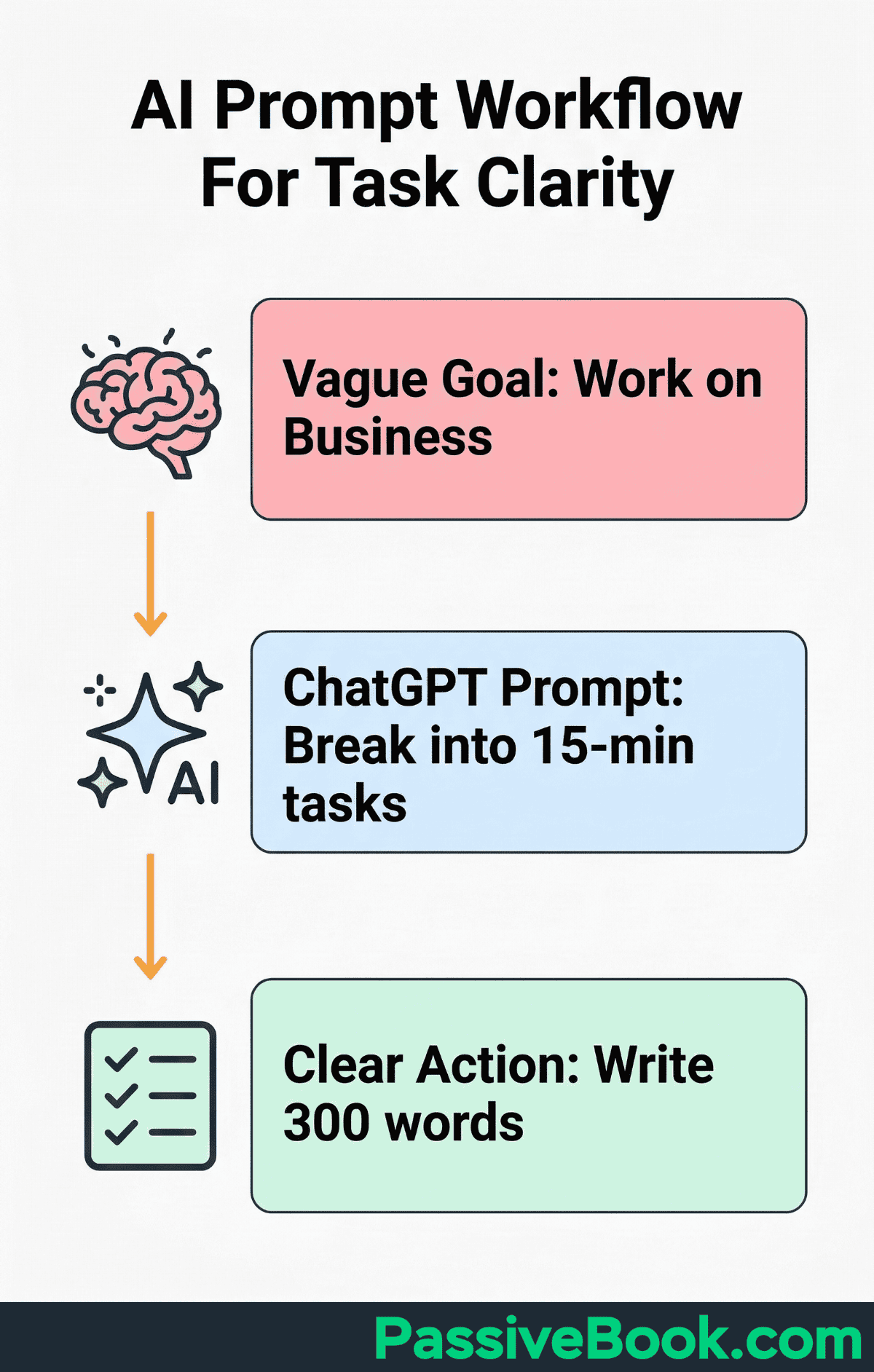
Current AI tools can automate 10 to 40% of a solopreneur’s daily workload by handling email drafts, content outlines, scheduling, and administrative tasks. This creates a practical advantage: use the book’s strategy to decide what to eliminate, then use ChatGPT or Zapier to execute the removal at near-zero cost.
The frameworks in Deep Work and Slow Productivity both prescribe protecting your time from shallow work so you can focus on cognitively demanding creative output. AI now serves as the enforcer of this principle. Instead of relying on willpower to avoid email or administrative tasks during your deep work blocks, you can delegate those entirely to automation. The outcome Kennedy, Martell, and Michalowicz all describe, buying back your time, is now achievable without hiring staff.
Here’s what works: use ChatGPT to draft email responses to common customer service inquiries or collaboration requests. Feed it your tone and typical response patterns, then ask it to generate drafts you review and send. This cuts a 30-minute email session to five minutes of review time, freeing 25 minutes for content creation or audience-building.
The elimination-first philosophy from The 4-Hour Workweek pairs perfectly with AI capabilities. Before you automate a task, ask whether it needs to exist at all. Many solopreneurs discover they’re spending hours on activities that produce zero revenue or audience growth. AI can’t help you eliminate unnecessary work, but it can handle whatever remains after you’ve ruthlessly cut everything that doesn’t serve your Queen Bee Role.
Zapier connects tools without requiring code, enabling workflow automation that previously needed a developer. For example, when a new subscriber joins your email list, Zapier can automatically add them to a customer relationship management system, send a welcome sequence, and log the signup in a spreadsheet. This removes the manual data entry that consumes hours weekly for many online entrepreneurs.
One caveat about AI writing tools: using them to generate full blog posts or course content without substantial editing often produces generic output that damages your authority. The best use case is outlining, researching, and drafting initial versions that you then rewrite in your voice. AI handles the 60% of work that doesn’t require your unique expertise, leaving you to focus on the 40% that does.
The time-tracking methods from 168 Hours and Make Time now have AI-powered versions. Tools like RescueTime or Clockify automatically log how you spend computer time, generating reports without manual tracking. This removes the friction that prevents many solopreneurs from auditing their behavior versus their perceived schedule.
For solopreneurs implementing Atomic Habits, AI can serve as an accountability partner. You can set up automated daily prompts via email or text asking whether you completed your habit, logging your streak, and sending encouragement. This provides the external structure James Clear describes without requiring a human accountability partner.
Frequently Asked Questions
Which Time Management Book Should I Read First as a Brand-New Solopreneur?
Eat That Frog! if you need action today. The core principle, tackle your most impactful task first thing each morning, is usable Monday with zero system-building required. If you have a weekend to invest, Getting Things Done provides a comprehensive capture system that prevents the mental overload of juggling a day job and side business simultaneously.
Can I Realistically Apply These Books If I Only Have 5 to 10 Hours a Week for My Side Hustle?
Yes, but choose frameworks designed for constraints rather than abundance. Make Time, Atomic Habits, and The ONE Thing all work specifically because they assume limited availability and fragmented schedules.Avoid books like The 4-Hour Workweek or Buy Back Your Time until you have consistent revenue, as those frameworks require capital to implement fully.
Is The 4-Hour Workweek Still Relevant for Someone Building a Blog or Online Store Today?
The DEAL framework (Define, Eliminate, Automate, Liberate) remains valuable, but many tactical recommendations feel dated. Ferriss himself acknowledged in a 2026 post that elimination-first philosophy is more relevant than ever with AI tools. Read it for the strategic mindset, not the specific outsourcing tactics from 2007.
Do I Need to Read All These Books, or Is One Enough to Make a Real Difference?
One fully implemented book produces more results than ten partially read ones. Choose based on your current bottleneck: scattered focus needs The ONE Thing or Essentialism, burnout needs Slow Productivity, and procrastination needs Eat That Frog! Run the system for 90 days before adding another framework.
Which Book Is Best If Procrastination, Not Planning, Is My Biggest Problem?
Eat That Frog! addresses procrastination most directly with 21 anti-procrastination techniques. Atomic Habits provides the behavior-change framework to build consistent work sessions without relying on motivation. Both are usable right away and require minimal setup compared to comprehensive systems like Getting Things Done.
How Long Does It Take to Read Each of These Books?
Most range from 200 to 400 pages and take 4 to 8 hours to read. But reading time doesn’t matter. Implementation time does. You can finish Eat That Frog in a weekend and spend 90 days testing its system. Atomic Habits takes longer to read but the first tactic works Monday morning. Focus on time-to-first-result, not time-to-last-page.
Should I Read These Books or Listen to Audiobook Versions?
Audiobooks work if you’re consuming during commute or exercise time. Physical or Kindle versions work better if you plan to highlight and reference concepts while implementing. I personally use audiobooks for first pass, then buy Kindle version for the 2 to 3 books I commit to testing. Don’t let format choice delay your start date.
What Should I Do After I Finish Reading a Time Management Book?
Close the book and implement one core tactic for seven days before reading further. Pick the single most relevant concept, a focusing question, a capture system, a daily ritual, and test it in your schedule. Measure the result after one week, adjust if needed, then commit to 90 days before evaluating whether the system fits your work style.
What Next?
The gap between where you are and where you want to be isn’t missing knowledge. It’s choosing one system and running it long enough to see results.
Building a profitable online business while juggling a day job is genuinely hard. You’re operating with constraints that most business advice ignores. The right book won’t make those constraints disappear, but it will help you produce meaningful output within them. That’s the difference between staying stuck and making real progress.
If this guide helped you identify which time management book matches your current stage, share it using the buttons below. Other time-starved solopreneurs in your network are likely facing the same bottlenecks you just worked through. Sharing this resource might be the nudge they need to stop researching and start implementing.
Choose one book from this list right now. Add it to your cart. Start reading this week. Run its core system for 90 days before picking up another productivity book. Which one are you choosing? Drop your answer in the comments. Publicly committing increases your odds of following through by 33%.
Share this post with your friends & followers: