You’ve built a business that earns money, but putting a sale price on it feels harder than building the thing. How much would a buyer pay, and what would they actually be buying?
A promising offer brings another problem: proving the numbers while keeping the business running. Missing records, unclear ownership or payment conditions can turn an exciting conversation into months of unpaid admin. This guide shows how to justify your asking price, choose a sale route and negotiate an offer you can carry through to payment.
Step 1: Define What You Are Selling
Start by writing down exactly what the buyer would receive. A price means little until both sides agree on what it covers.
Create an asset register—a list of the things included in the sale. For each item, record who owns it, where it lives, how it transfers and whether anyone must approve that transfer.
Include:
- The domain, website, brand and business email addresses.
- Product files, source files and rights to use or edit the content.
- Customer and email records, subject to applicable privacy requirements.
- Operating instructions, automation workflows and business records.
- Contractor agreements, licenses and other relevant contracts.
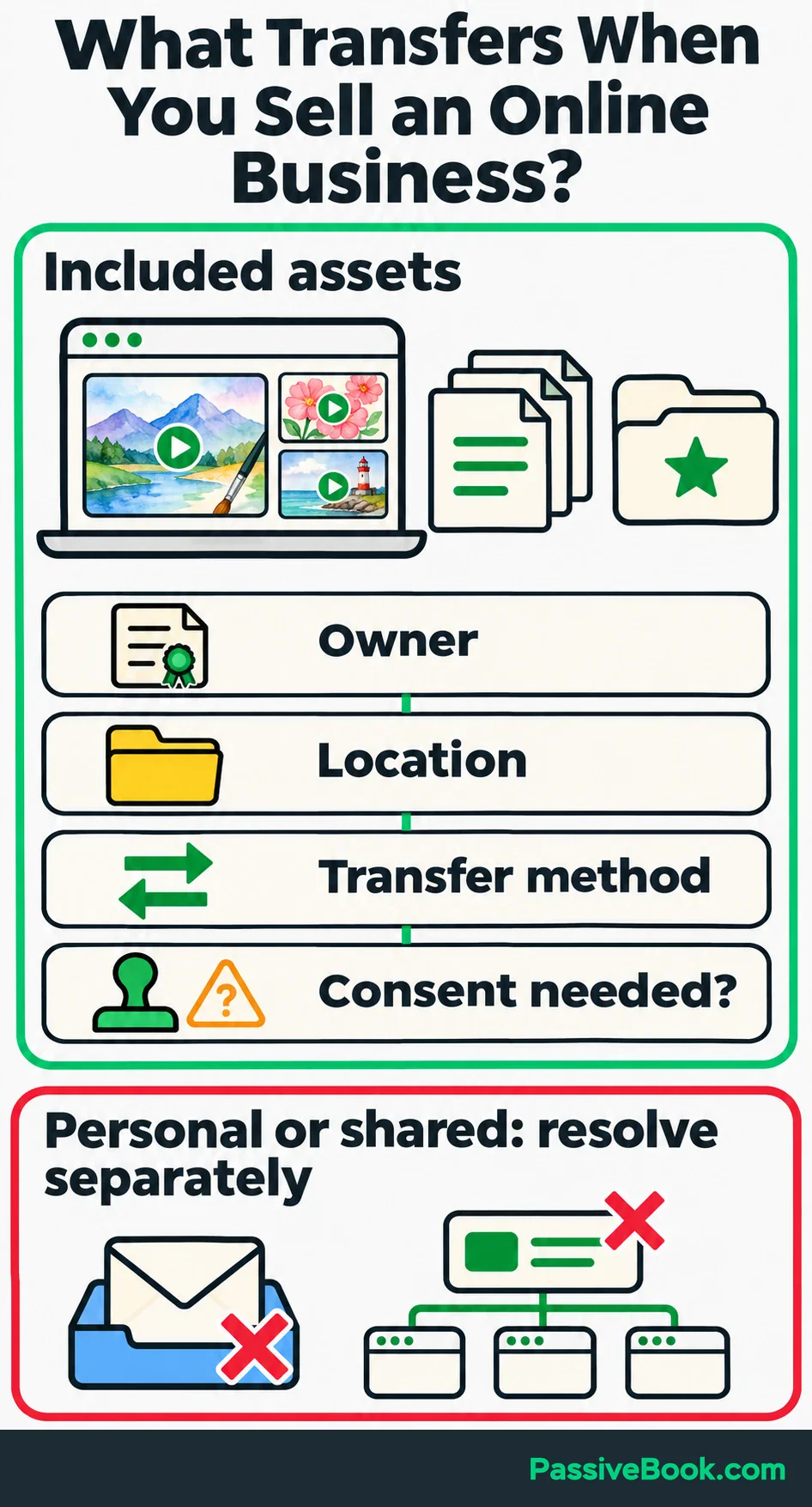
List exclusions beside them. A design subscription shared across three websites needs a replacement arrangement. Your personal inbox needs to stay personal.
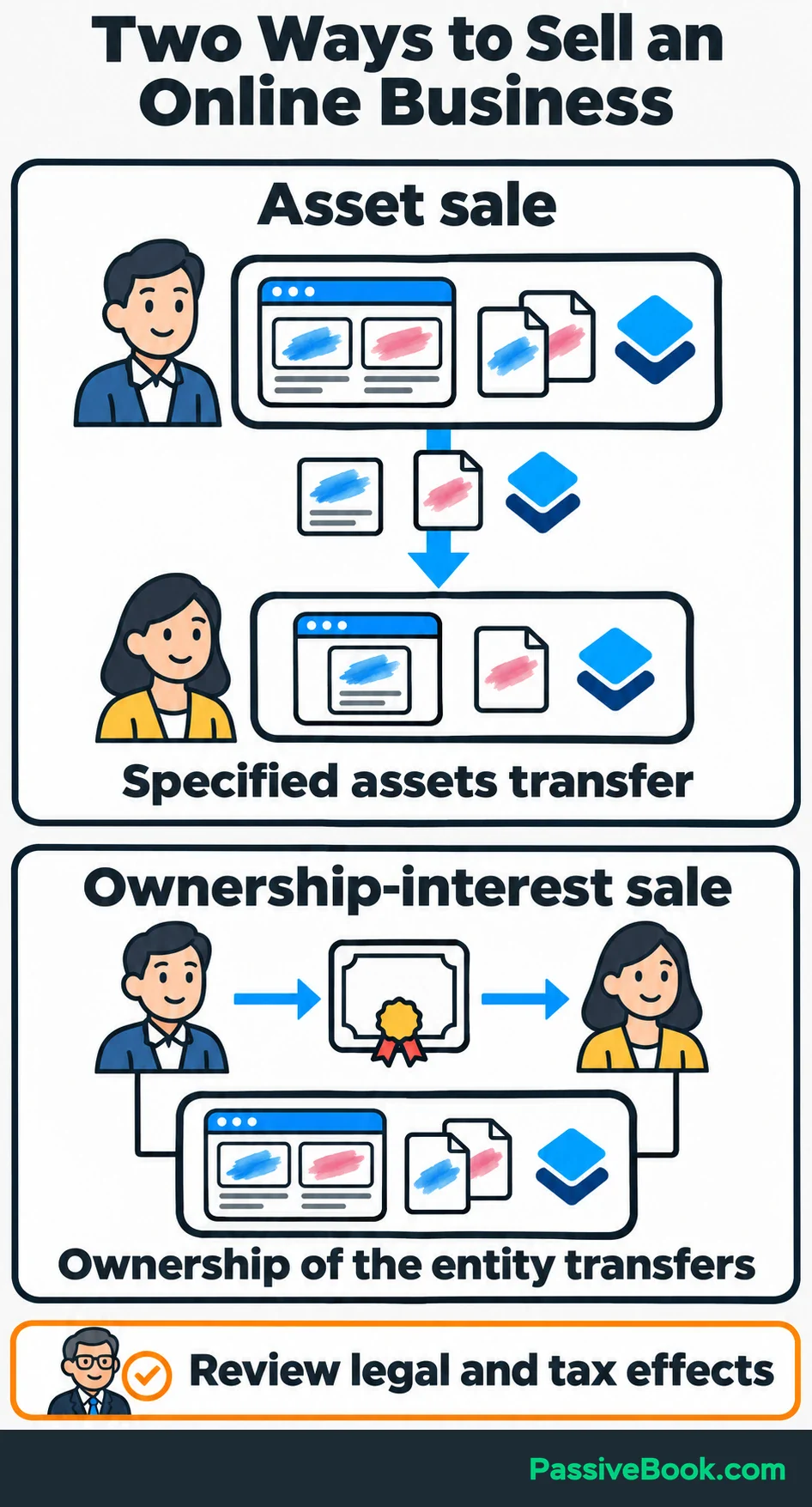
An asset sale transfers specified business assets. A sale of ownership interests transfers ownership of the legal entity. Establish which structure you are proposing before valuing the business, and have your advisers assess its legal and tax effects.
Check essential accounts early. Having a password does not establish permission to transfer an account. For example, Stripe requires the existing owner to contact support to confirm the changes needed after a business sale.
Throughout this guide, imagine you own a website selling beginner watercolor courses.
Your asset register would identify the lesson videos, worksheets, website and brand. It would also answer a harder question: can a new owner keep selling and delivering those courses without you? Recorded lessons may transfer, but a promise of personal painting critiques creates ongoing work.
For a physical-product store, also list stock and supplier agreements. For an affiliate blog, check whether the buyer must reapply to its affiliate programs. For an agency, check which client agreements can transfer and who will deliver the work.
A business without dependable profits may still have saleable assets. Compare likely proceeds with selling costs and the expense of keeping it running. The hours you spent building it explain your attachment, but they do not establish a buyer’s price.
Finally, set your preferred exit date, required cash and acceptable involvement afterward. These become decision rules when offers arrive.
Step 2: Establish Earnings You Can Prove
Prepare monthly profit-and-loss statements for the latest 12 months, plus earlier periods where available. If the business has only eight months of records, show eight months. Multiplying a good month by 12 does not create a trading history.
The reports should let a buyer trace earnings back to original records.
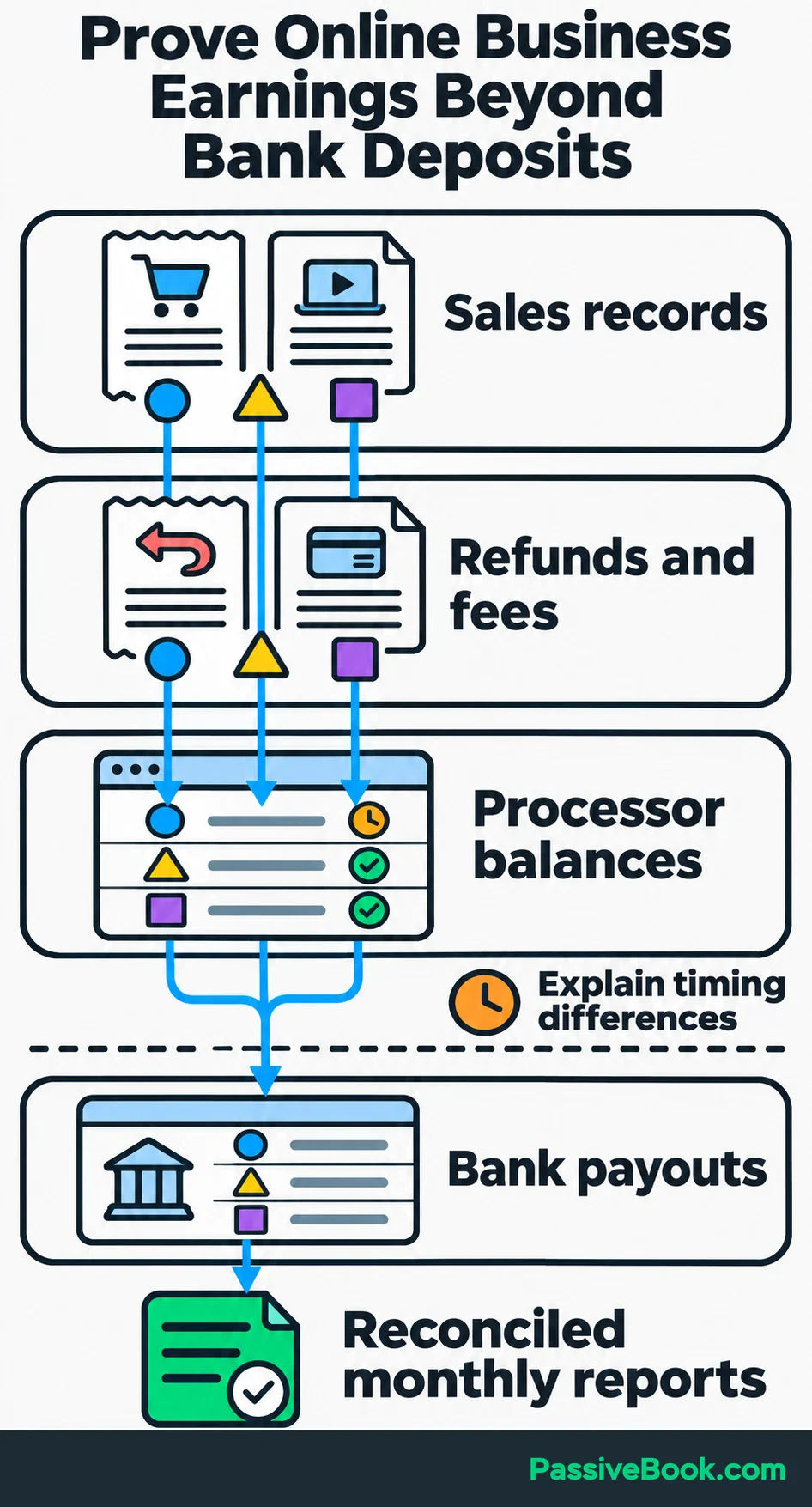
Match sales with refunds, transaction fees, processor balances and bank payouts. Explain timing differences beside the reports. A payout arriving in February may relate to January sales, so a bank deposit alone does not tell the whole story.
Break revenue down by product and show the main customer sources. For the watercolor website, separate course sales from any other income, then show the evidence for customers arriving through search, email, referrals or paid campaigns.
Compare recent months with the annual view. If a launch created a short sales spike, explain it. If sales have been falling for several months, the annual total needs that context.
For an owner-operated business, seller’s discretionary earnings (SDE) estimates the financial benefit available to one working owner. Start with pretax profit and add back that owner’s pay and benefits only where they were deducted as expenses. Other supported adjustments can include business interest, depreciation and amortization (accounting charges that spread asset costs over time), and eligible personal or one-time expenses. BizBuySell explains the SDE calculation and eligible adjustments.
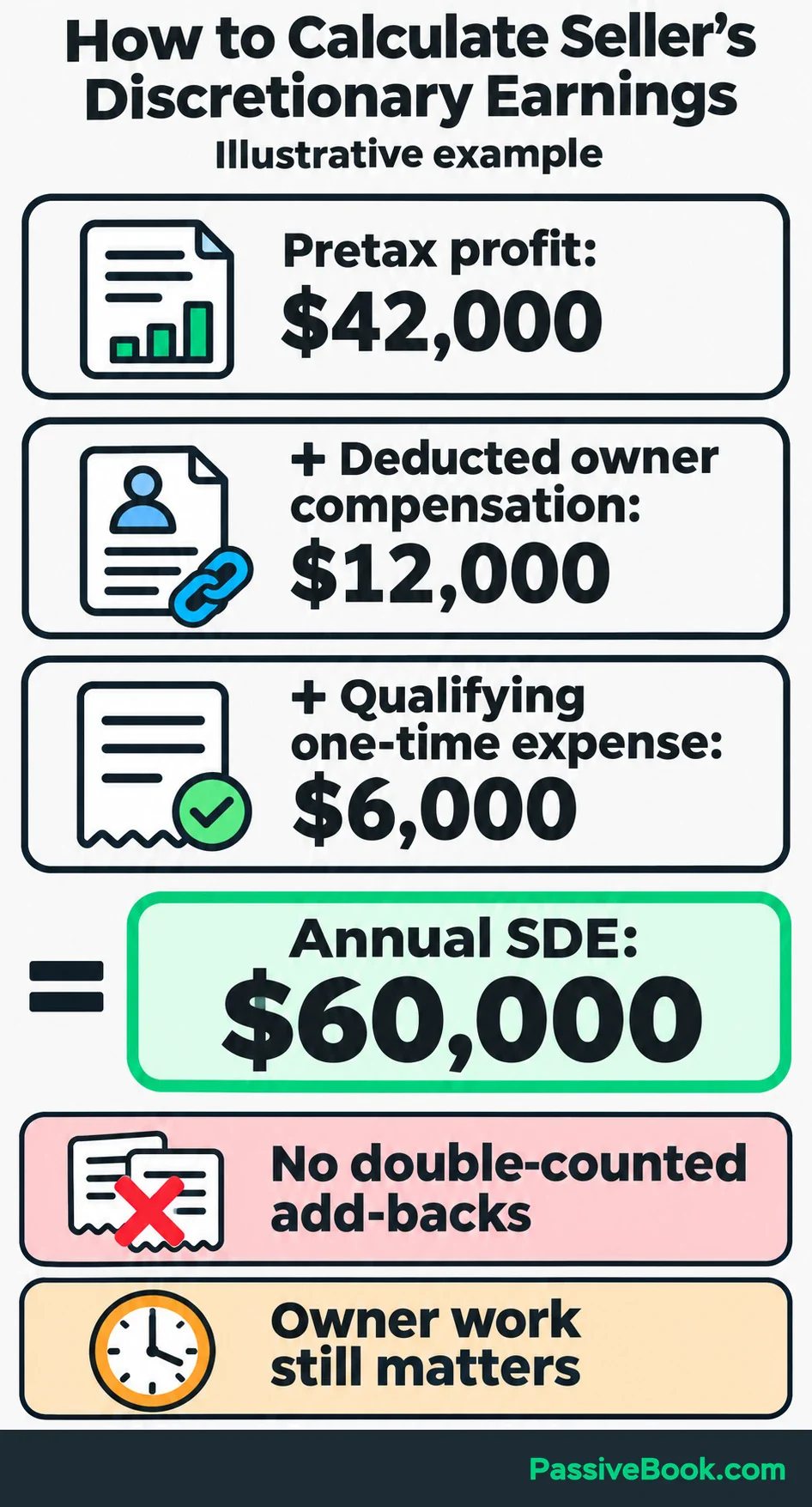
In the watercolor example, annual pretax profit already has $12,000 in owner compensation and a qualifying $6,000 one-time expense deducted. With no other adjustments:
| Item | Amount |
|---|---|
| Annual pretax profit | $42,000 |
| Add back deducted owner compensation | $12,000 |
| Add back qualifying nonrecurring expense | $6,000 |
| Annual SDE | $60,000 |
Keep evidence for each adjustment. Owner draws that were never deducted from profit cannot be added again, and necessary recurring costs stay in the calculation.
Record your hours and responsibilities separately. If a buyer plans to hire someone to do your work, show that replacement cost separately too. SDE does not mean the business runs without an owner.
Step 3: Set a Defensible Asking Price
Build a Range From Comparable Completed Sales
Estimate value by multiplying documented earnings by a number drawn from similar completed sales. That number is the earnings multiple.
Match both the earnings definition and the period. Annual SDE needs an annual SDE multiple. A multiple based on monthly net profit belongs with monthly net profit.
Look for completed sales of businesses with similar:
- Products and business models.
- Earnings levels and growth trends.
- Customer and traffic concentration.
- Owner workload and required skills.
- Transferable assets and operating arrangements.
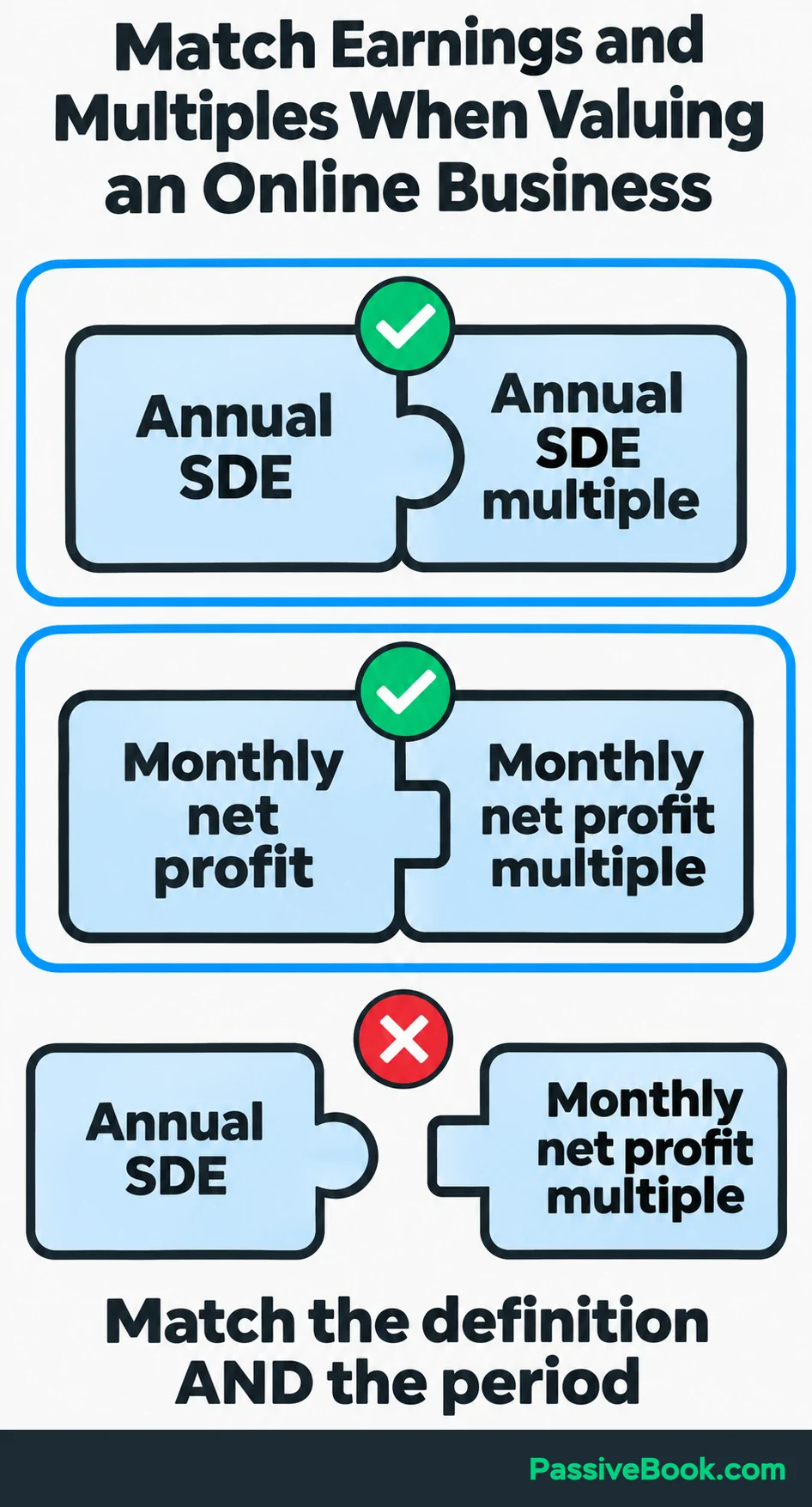
A listing tells you what a seller wants. A completed transaction tells you what a buyer agreed to pay, though you still need to understand its payment terms.
Build a comparison sheet with the sale date, business model, earnings definition, period covered, completed price, multiple and payment structure. Add a note explaining each important difference from your business.
Marketplace data can provide a starting point. Empire Flippers’ scoreboard reports completed-sale multiples using annual net profit from the trailing 12 months, and its “typical” category excludes distressed deals. That describes its marketplace population; it does not establish an SDE multiple for your course website.
For illustration, suppose relevant transaction evidence supports a multiple of three times annual SDE. The watercolor business estimate would be:
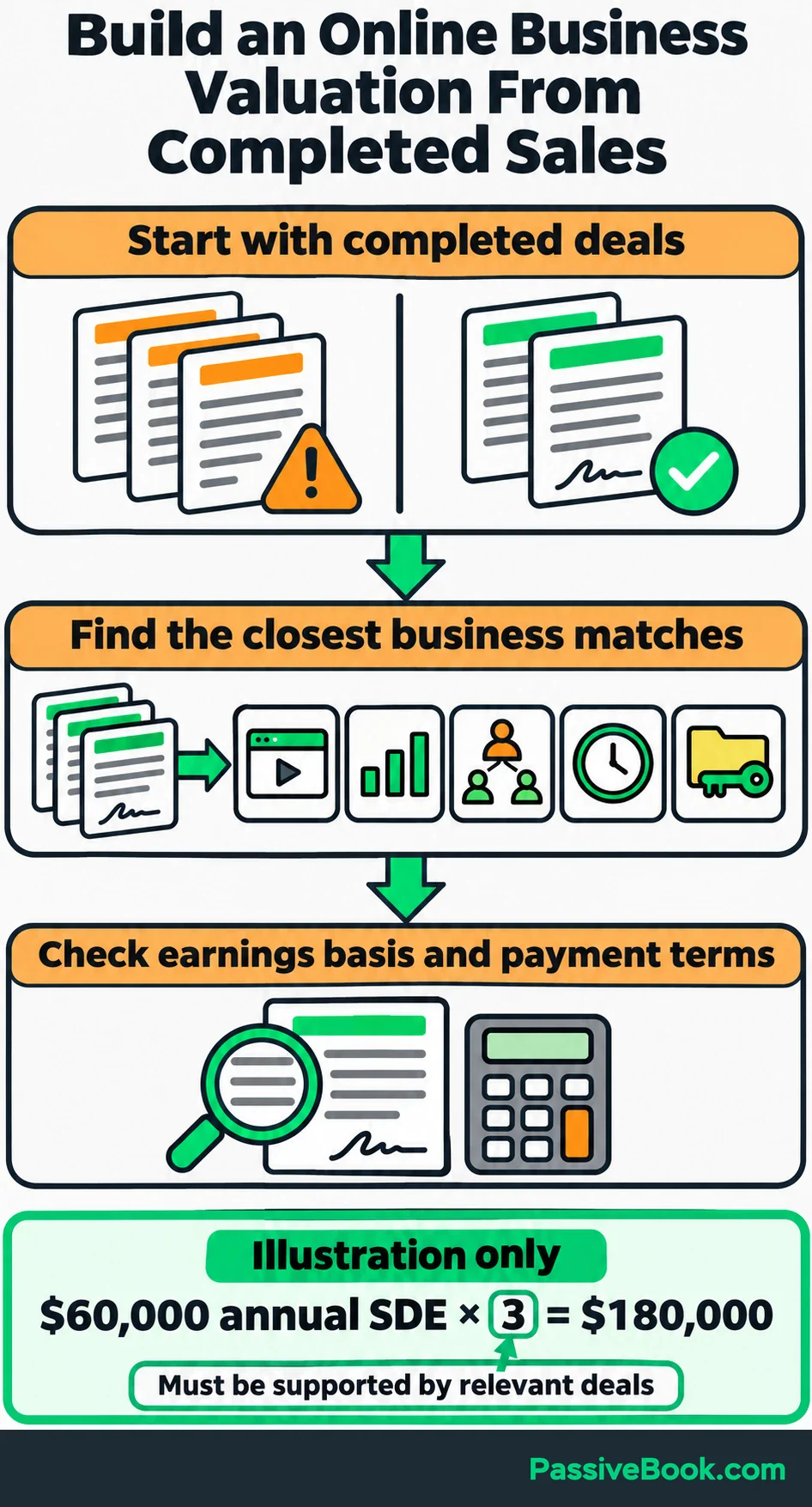
$60,000 annual SDE × 3 = $180,000.
The arithmetic is easy. Finding evidence for the three is the work.
Choose a range from the closest comparisons, then explain where your asking price sits within it. If suitable completed-sale evidence is scarce, I would pay for a focused valuation or ask a relevant adviser to explain their comparisons before choosing a price.
For a business without dependable earnings, compare sales of similar transferable assets and their usefulness to likely buyers. Forcing a profit multiple onto nonexistent profit will not help.
Explain What Supports the Price
Write a short explanation of the asking price using what the buyer receives at closing.
For the watercolor business, that might cover verified earnings, ownership of the lesson catalog, documented customer sources and a manageable support workload. Each point should connect to evidence.
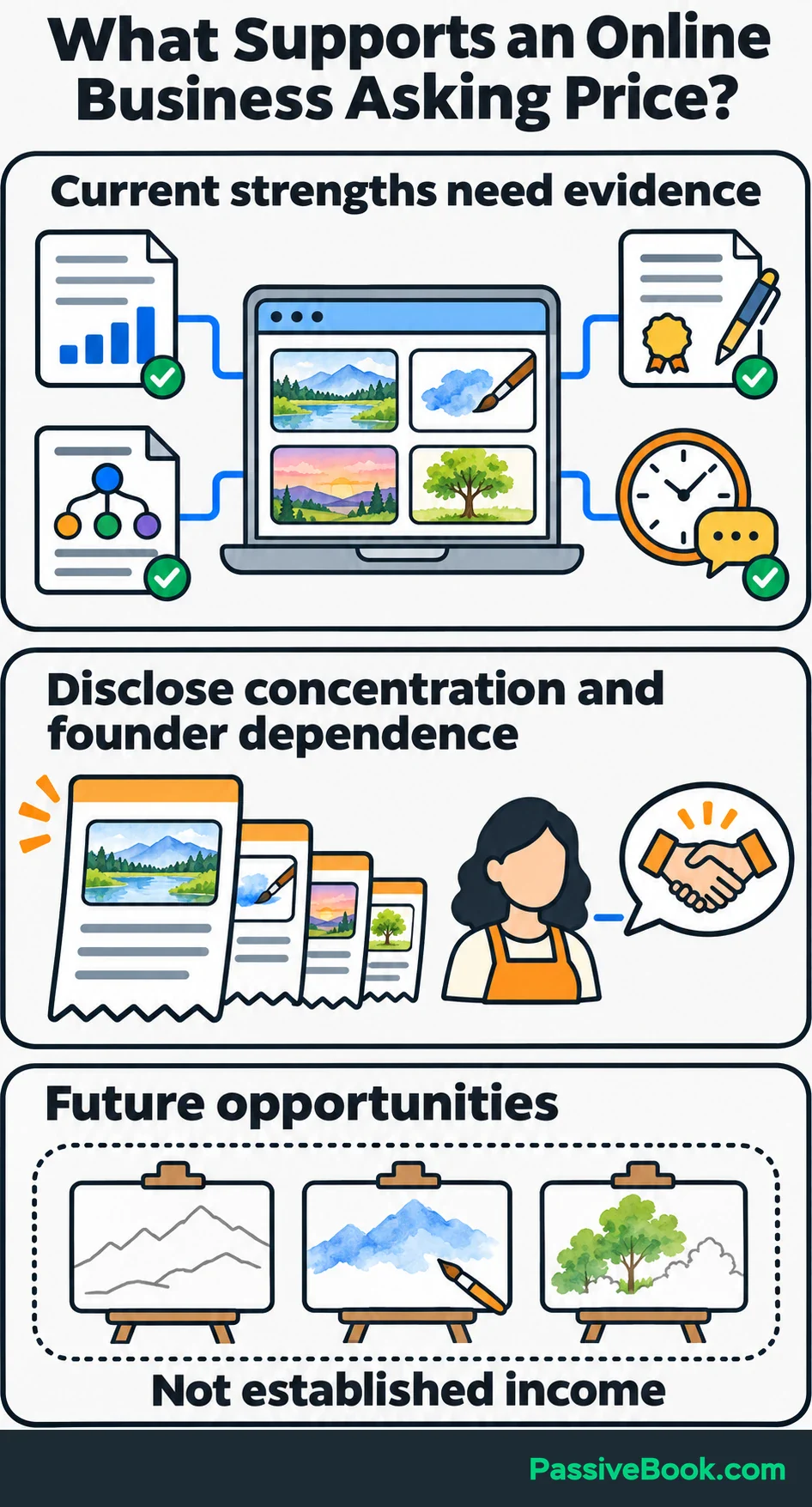
Then name the weaknesses. Perhaps one course produces most sales, or customers buy because they expect access to the founder. Explain how that affects the buyer’s ability to continue operating.
Revenue alone cannot settle the valuation. Two websites with the same sales can have very different expenses, workloads and remaining earnings.
Keep growth ideas separate from current performance. A buyer might add advanced painting courses, but you cannot price those unmade products as established income. I would put them in an opportunities section and support the asking price with the business that exists.
Step 4: Prepare the Business for Buyer Scrutiny
Make Operations Transferable
Fix the problems that could prevent verification or transfer first:
- Financial differences nobody can explain.
- Missing agreements establishing ownership of content or code.
- Essential systems accessible only through personal accounts.
- Contracts requiring consent that nobody has requested.
- Routine tasks that depend on instructions held entirely in your head.
Document recurring work with its frequency, required skills, time and cost. For the watercolor website, cover course delivery, refunds, support, marketing and maintenance.
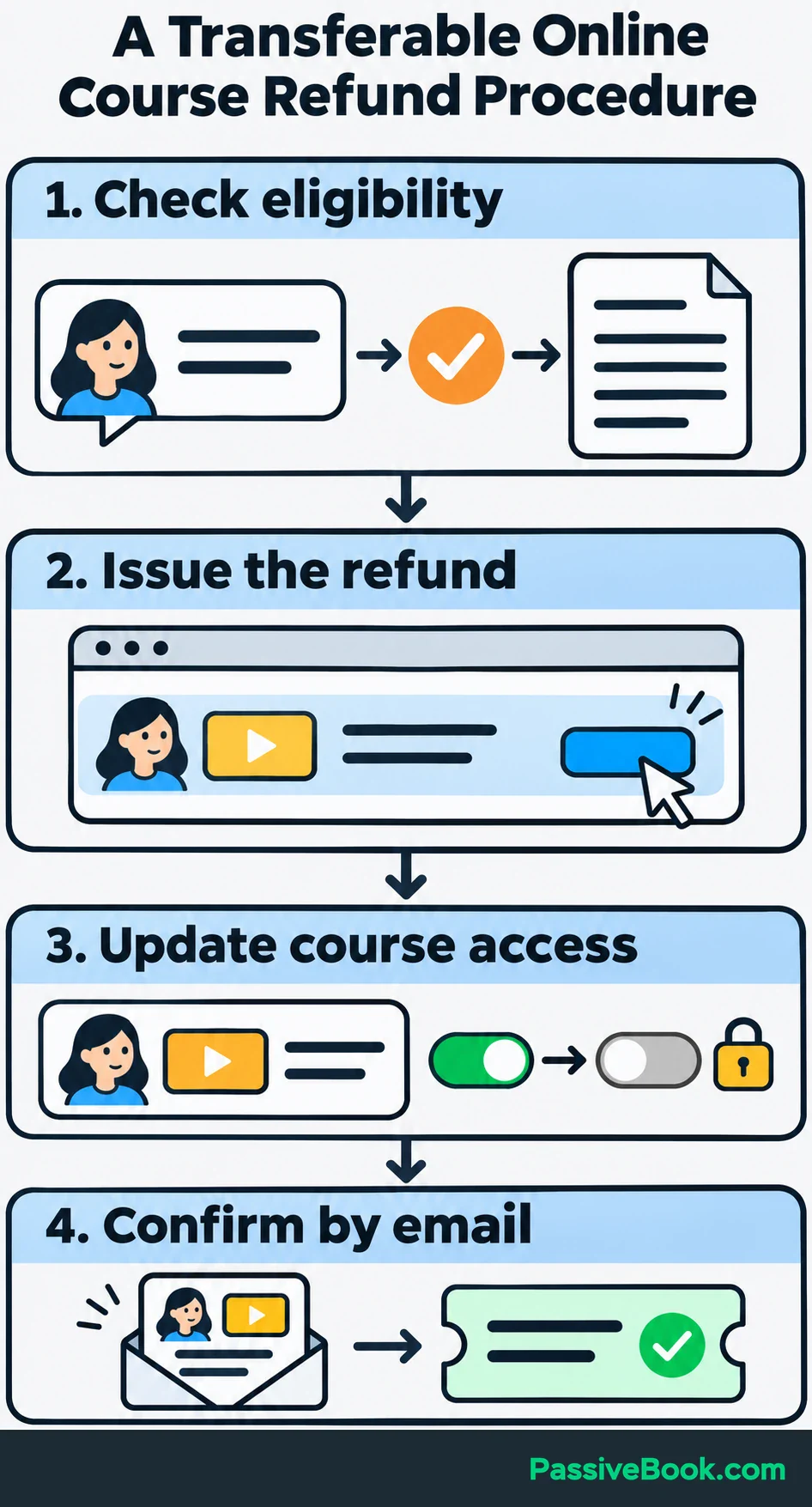
A useful instruction says what triggers the task and how to confirm it is finished. “Handle refunds” is a reminder. “Check eligibility, issue the refund, update course access and confirm by email” gives the next owner a process to follow.
Have another person complete a routine task using only the instructions. Every question they ask points to a gap worth fixing.
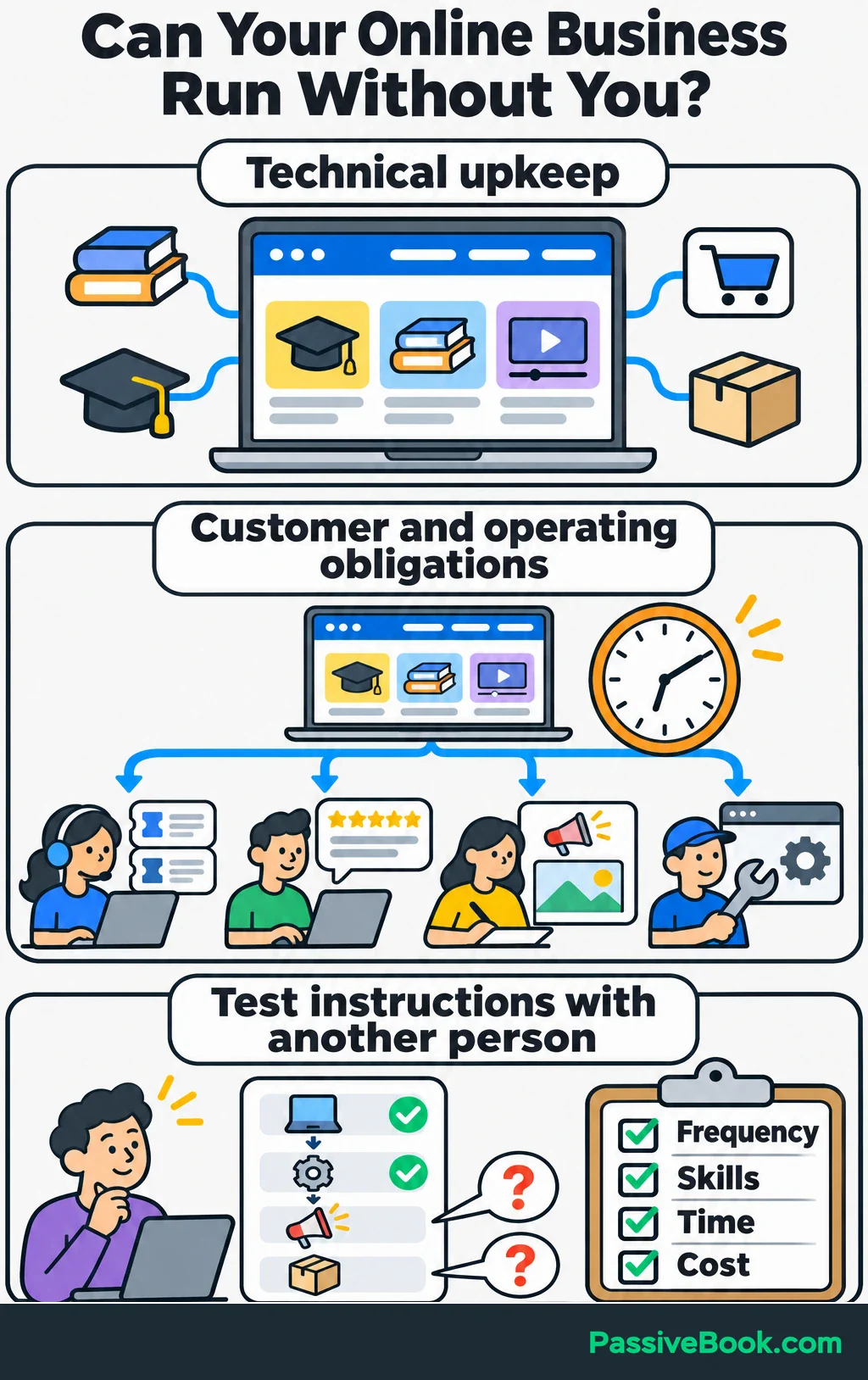
I abandoned a membership site because the recurring content workload was unsustainable alongside my corporate job. The website could stay online while the obligation to produce kept coming back. That experience is why I would separate technical upkeep from the work needed to keep customers satisfied.
For your sale, show both. A website that needs little maintenance can still require hours of teaching or support.
I would skip a major redesign unless it removes a clear obstacle. Compare the cost and delay of each improvement with its practical value to the sale, and protect current earnings while you prepare.
Assemble the Supporting Documents
Create a data room: one indexed folder with controlled access to the records buyers will review. A clearly organized shared drive can do the job.
Use a preparation sheet to track what is ready:
| Document | Check Before Sharing |
|---|---|
| Monthly financial reports for the latest 12 months | Match each month to sales exports, expense records and bank statements. Explain any differences. |
| Course sales breakdown for the same period | Match course-level orders and refunds to the financial totals. |
| Customer acquisition report for the same period | Separate tracked sales sources from traffic-only data, and identify sales whose source is unknown. |
| Asset and rights register | Attach ownership records and signed agreements. Identify transfers still awaiting consent. |
| Current operating manual | Include task instructions and a workload log. Test whether someone else can follow the instructions. |
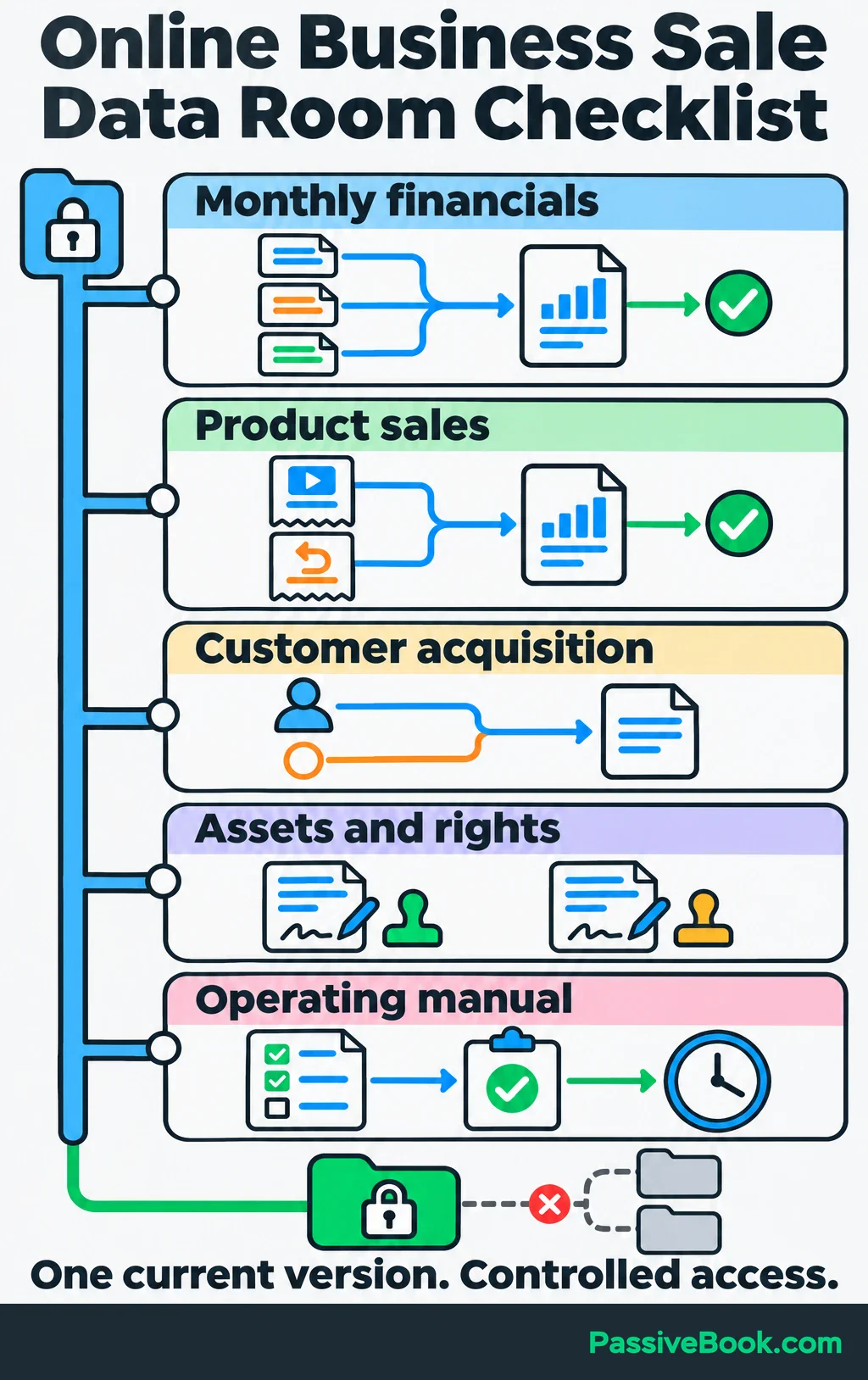
For the watercolor business, the records should tell one consistent story: how customers arrive, what they buy, how they receive lessons and what support costs.
Keep current reports in one clearly named location and update them during the sale. Sending different versions to different people creates work you do not need.
Step 5: Choose How to Sell Your Business
Compare Private Sales, Marketplaces, and Brokers
Choose the route based on the help you need and the buyers you can realistically reach.
| Factor | Private Sale | Marketplace | Broker or Advisor |
|---|---|---|---|
| Buyer access | Buyers you identify through contacts or targeted outreach | People already browsing for businesses | The adviser’s network and marketing channels |
| Seller workload | You manage outreach, screening and negotiations | You manage the tasks excluded from your package | You still provide records and answer business questions |
| Included support | Whatever specialists you hire | Listing tools through to managed services, depending on package | Agreed marketing, screening and deal coordination |
| Confidentiality | You control outreach and staged disclosure | Check whether listings reveal the brand or URL | Agree what is shared and with whom |
| Fees | Your professional and closing costs | Listing charges, success fees and optional services | Commission, possible upfront charges and minimum fees |
| Eligibility | Depends on the buyer’s requirements | Depends on platform and service rules | Depends on the adviser’s deal criteria |
| Commitments | Terms agreed directly with buyers and specialists | Listing duration, renewal and platform terms | Exclusivity, cancellation and post-engagement commission terms |
These routes can overlap. A broker may market through a marketplace, and legal or accounting specialists can support any route.
I would consider a private sale first if I could identify credible buyers and had time to manage the process. A business serving watercolor students might interest an operator with complementary courses or an existing art audience.
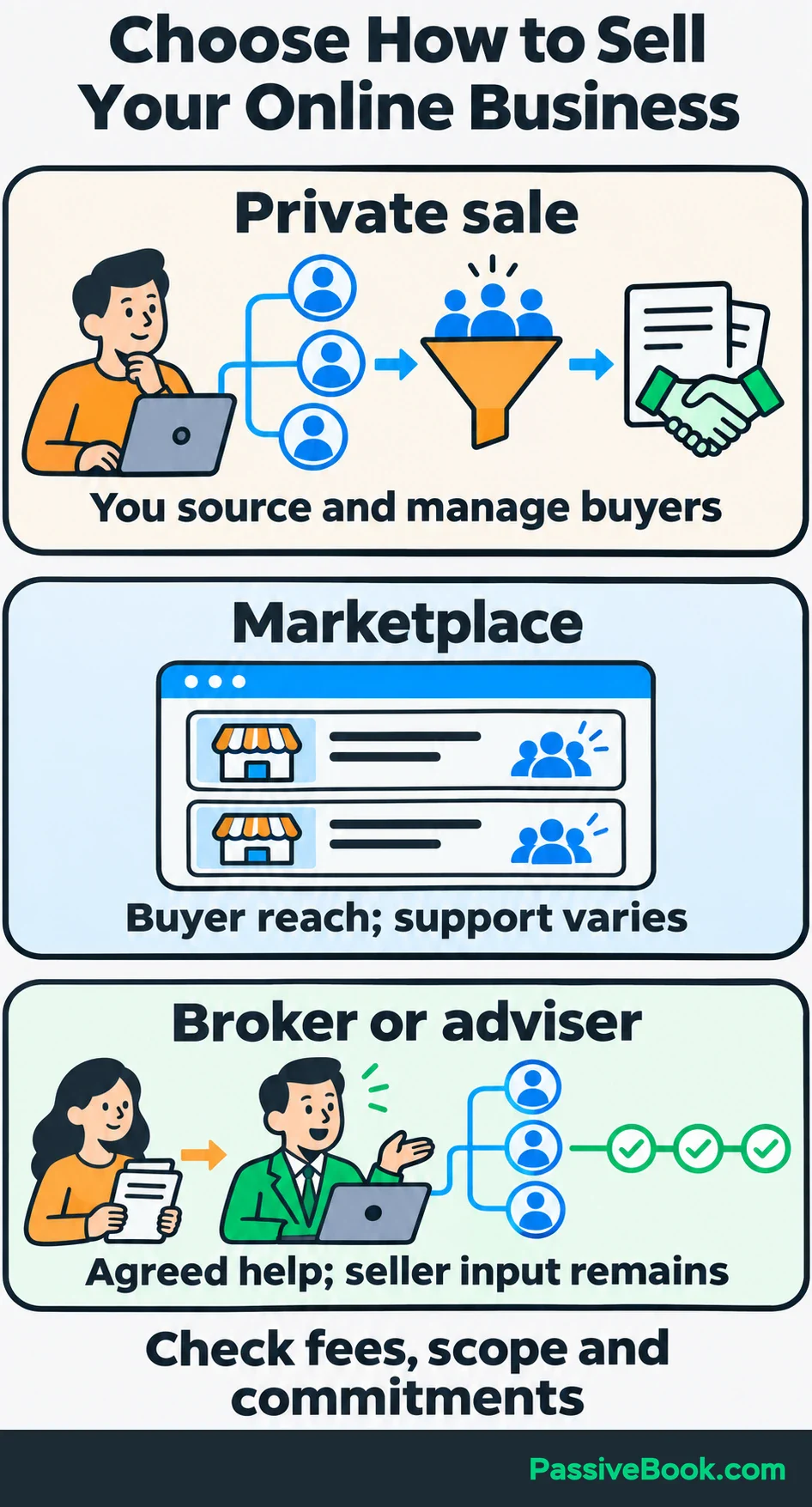
A marketplace makes sense when buyer reach is the main gap. Check exactly who handles inquiries, screening, negotiation and transfer. Flippa’s pricing page, for example, distinguishes self-service listings from broker-led services. Being listed does not automatically mean someone manages the sale.
I would hire an adviser when buyer access or transaction management would otherwise consume time needed to run the business. Ask for relevant completed deals, seller references and written responsibilities.
Before signing, check eligibility and obtain the full fee terms. Include upfront charges, success fees, minimum commissions, exclusivity, cancellation and any commission owed on a later sale to an introduced buyer.
A provider declining your business closes that service route. It does not establish that no buyer exists.
Calculate What You Will Keep
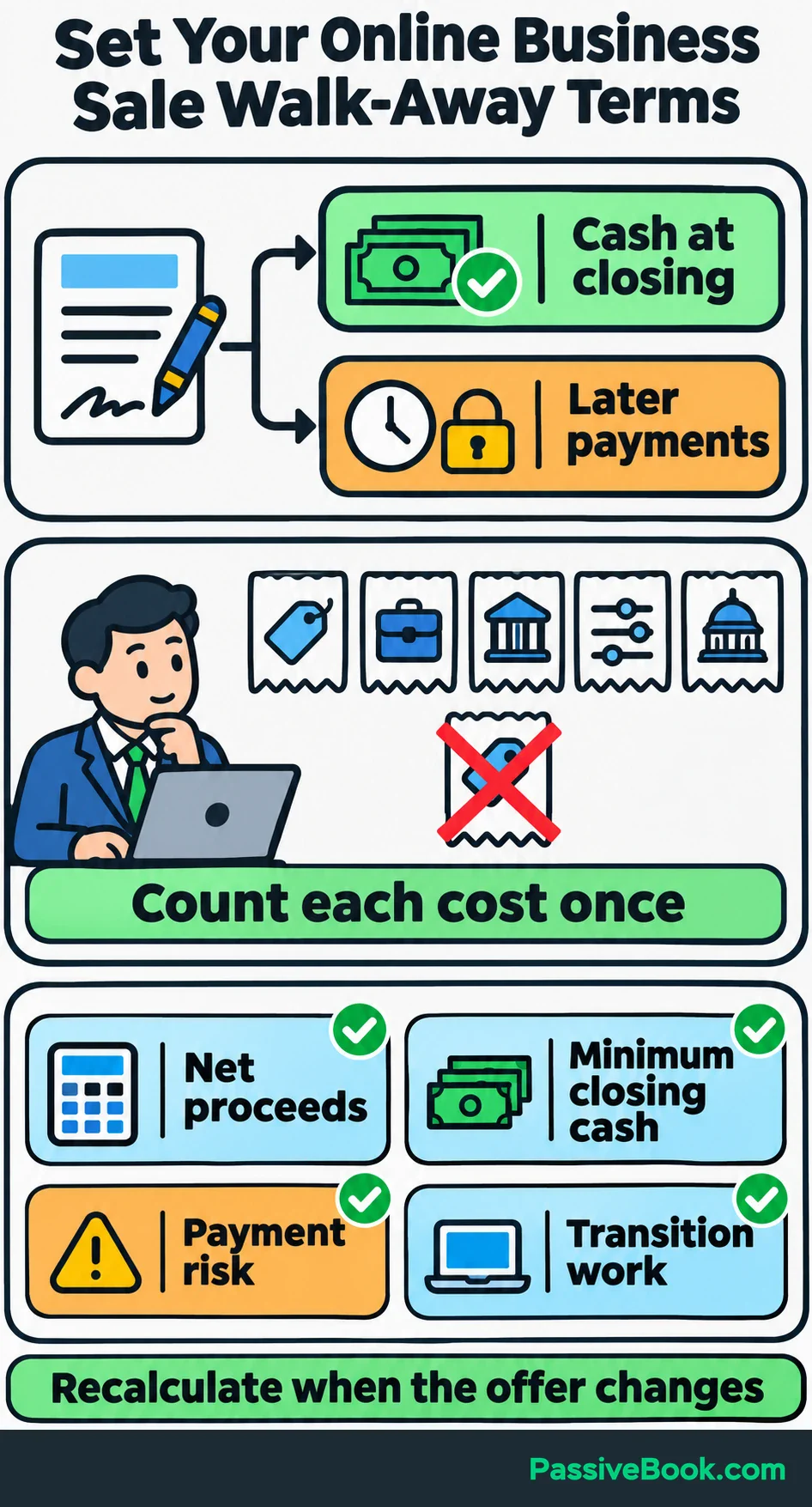
Work backward from the money payable to you. Subtract selling fees, professional costs, debt settled from the proceeds, agreed adjustments and estimated taxes.
Keep closing cash separate from later payments, and avoid deducting a cost twice.
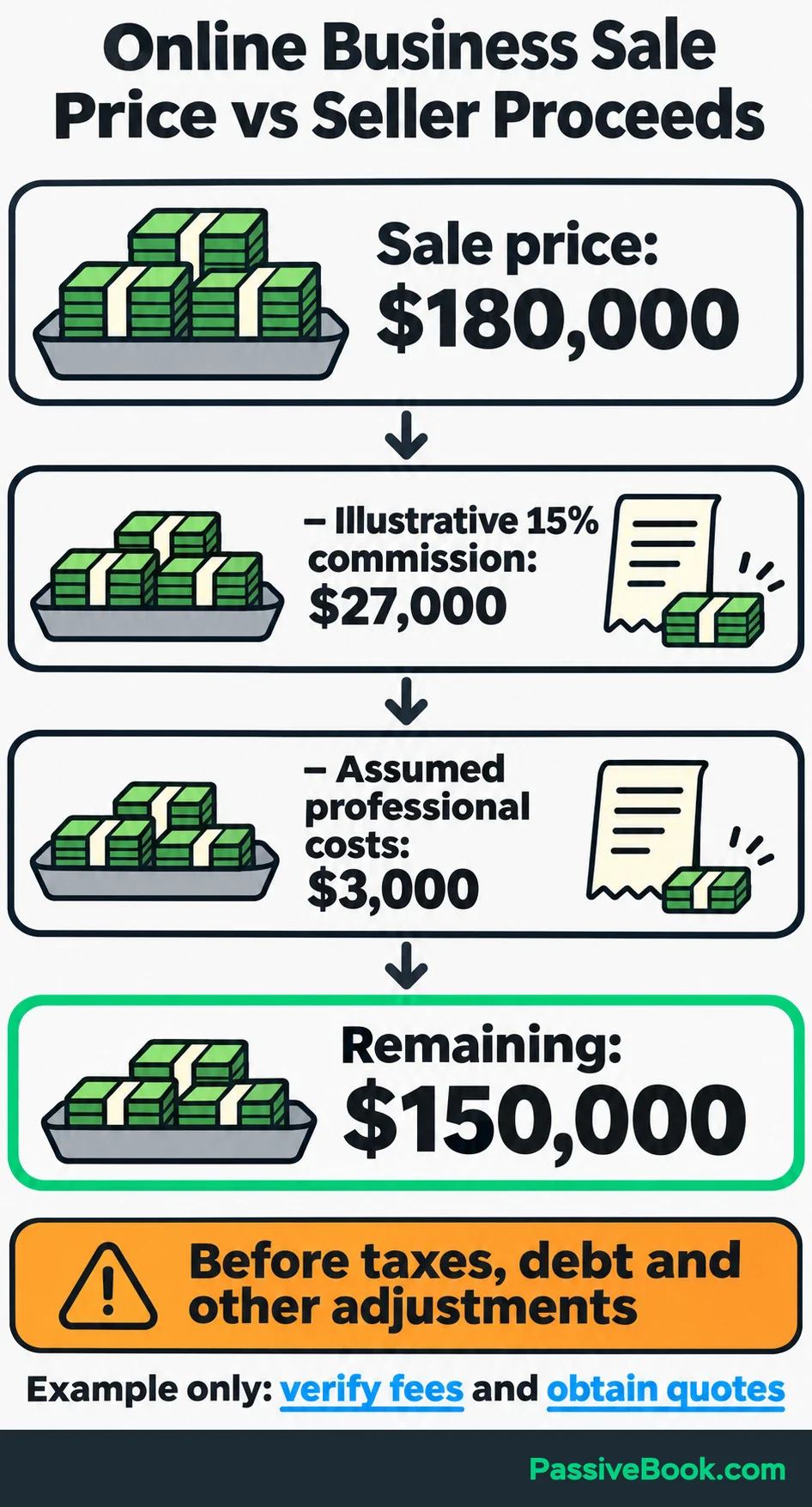
For the illustrative $180,000 sale, applying Empire Flippers’ published 15% commission for that price band gives:
| Item | Amount |
|---|---|
| Sale price | $180,000 |
| Commission | −$27,000 |
| Assumed professional costs | −$3,000 |
| Remaining before taxes, debt and other adjustments | $150,000 |
Use the linked fee schedule for current terms and replace the assumed professional costs with actual quotes.
Ask a tax adviser in your jurisdiction to compare structures before you commit. For a US asset sale, the IRS explains that assets generally receive separate tax treatment. The allocation of the price can therefore affect what you keep.
Set your walk-away terms using net proceeds, minimum closing cash, acceptable payment risk and transition work. Recalculate whenever the offer changes.
You can work backward from the amount you need rather than start with an asking price. Our calculator gives you an all-cash price floor and shows how deferred payments change what an offer delivers.

Free Business Exit Calculator




Step 6: Find and Qualify Buyers
Present an Opportunity Buyers Can Evaluate
Prepare an anonymous teaser before sharing detailed records. Give buyers enough information to decide whether the opportunity fits their interests:
- Business model and operating history.
- Revenue and earnings, with the periods and earnings definitions.
- Documented owner workload.
- Asking price and included assets.
- Proposed transition support.
For the watercolor website, a brief excerpt could read:
Beginner watercolor course business with $60,000 annual SDE over the latest 12 months. Asking price: $180,000. Proposed assets include the website, brand and owned course catalog.
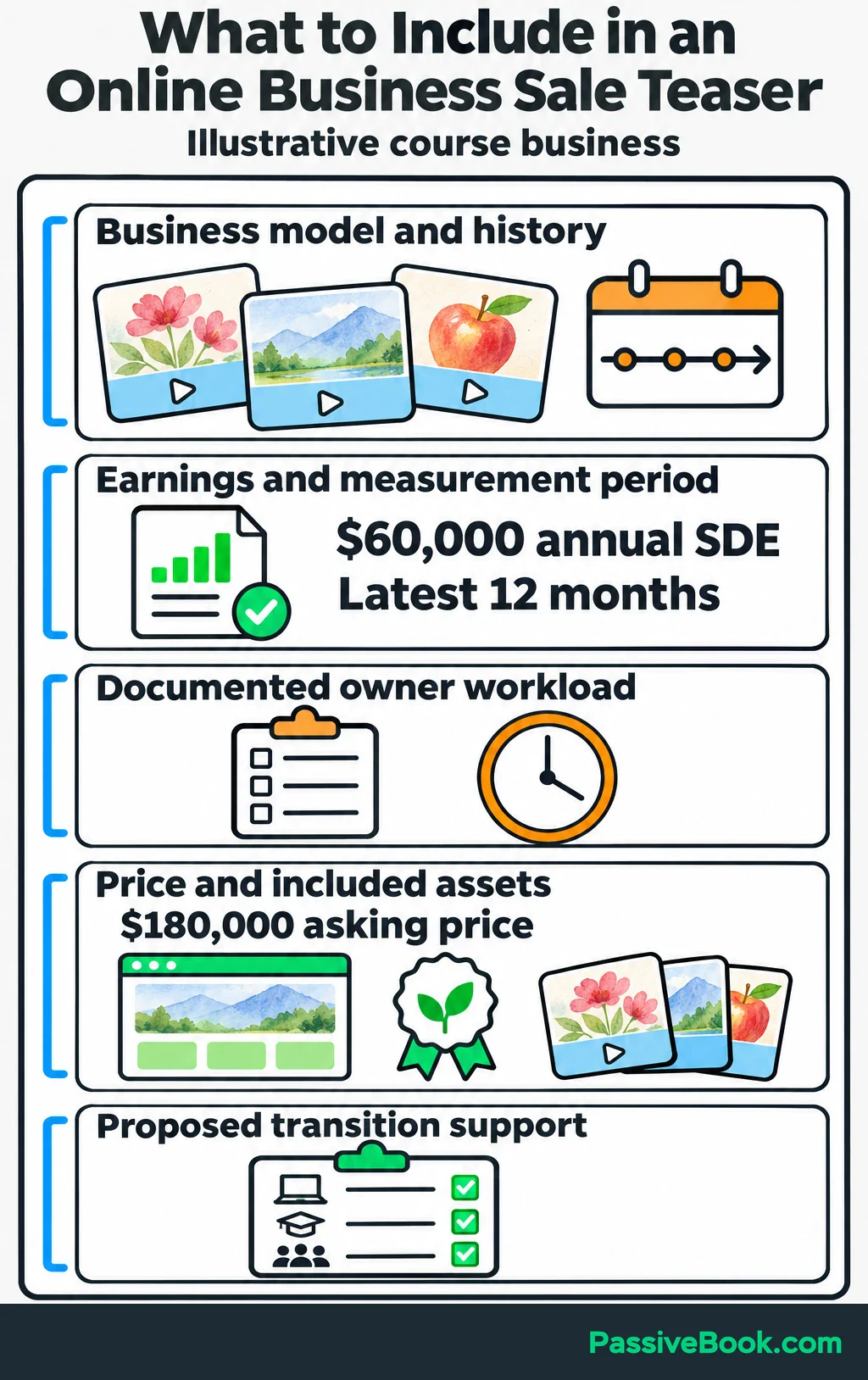
Add your operating history and weekly owner workload to complete the teaser.
Approach relevant operators, businesses serving similar customers and credible industry contacts, or distribute the teaser through your chosen service.
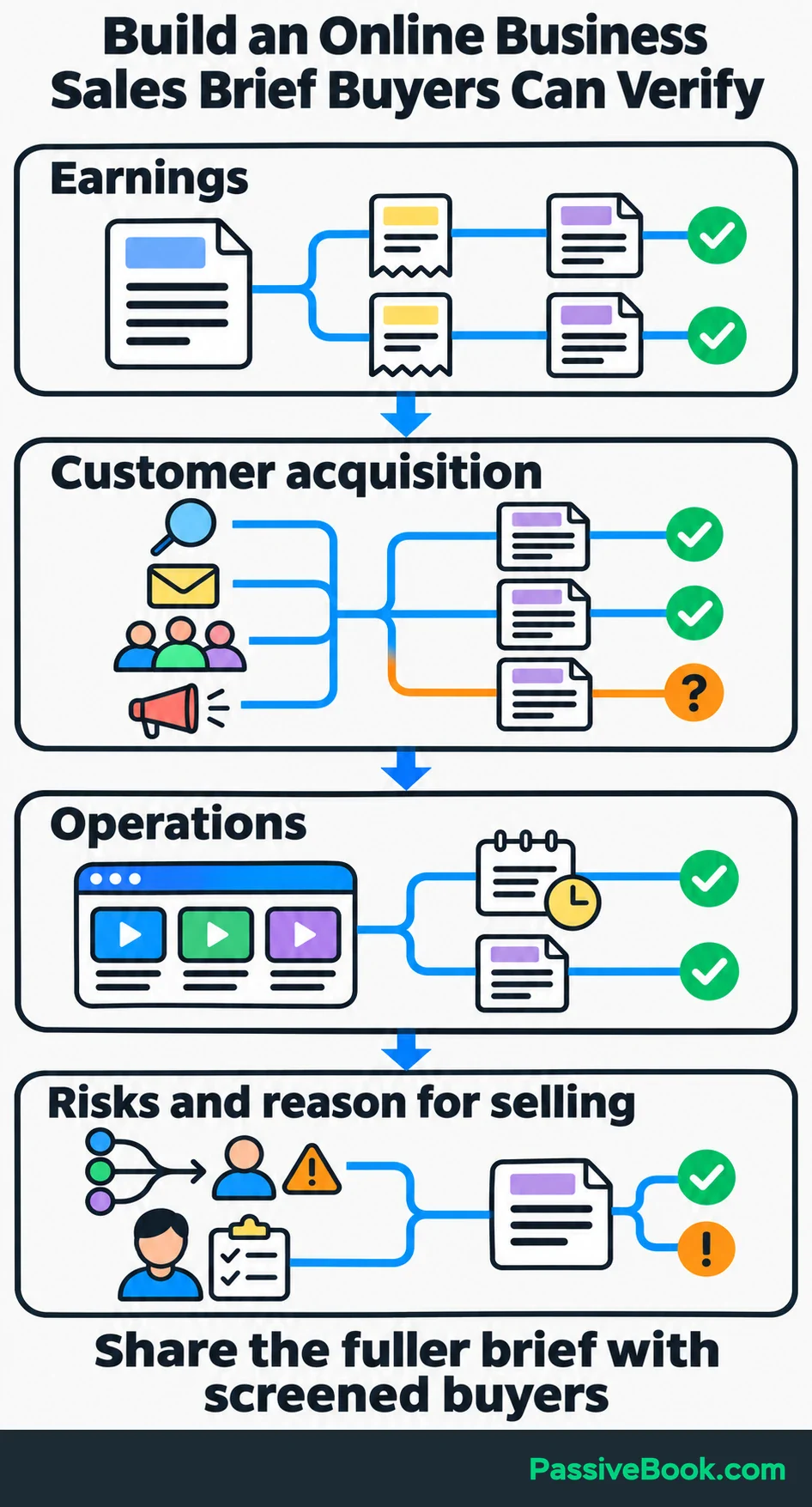
Prepare a fuller sales brief for screened buyers. Explain verified earnings, customer acquisition, operations, risks and your reason for selling.
Keep that reason supportable. If you want to focus elsewhere, say so. Do not describe declining sales as “running entirely on autopilot.”
If describing the business is slowing you down, our AI Skill can turn your facts into the first messages you need. It helps explain the opportunity while keeping unsupported claims and confidential details out of the opening conversation.

Free AI Business Sale Writer
Screen Buyers Before Granting Detailed Access
Confirm who the buyer is, what they want to acquire and how they expect to fund it.
Ask about relevant experience, decision authority, funding source and timetable. Before extensive due diligence—the buyer’s detailed review of the business—request credible proof of funds or financing status. Request this before granting exclusivity, too: that pauses your discussions with other buyers. An initial financing conversation is different from an approved funding arrangement.
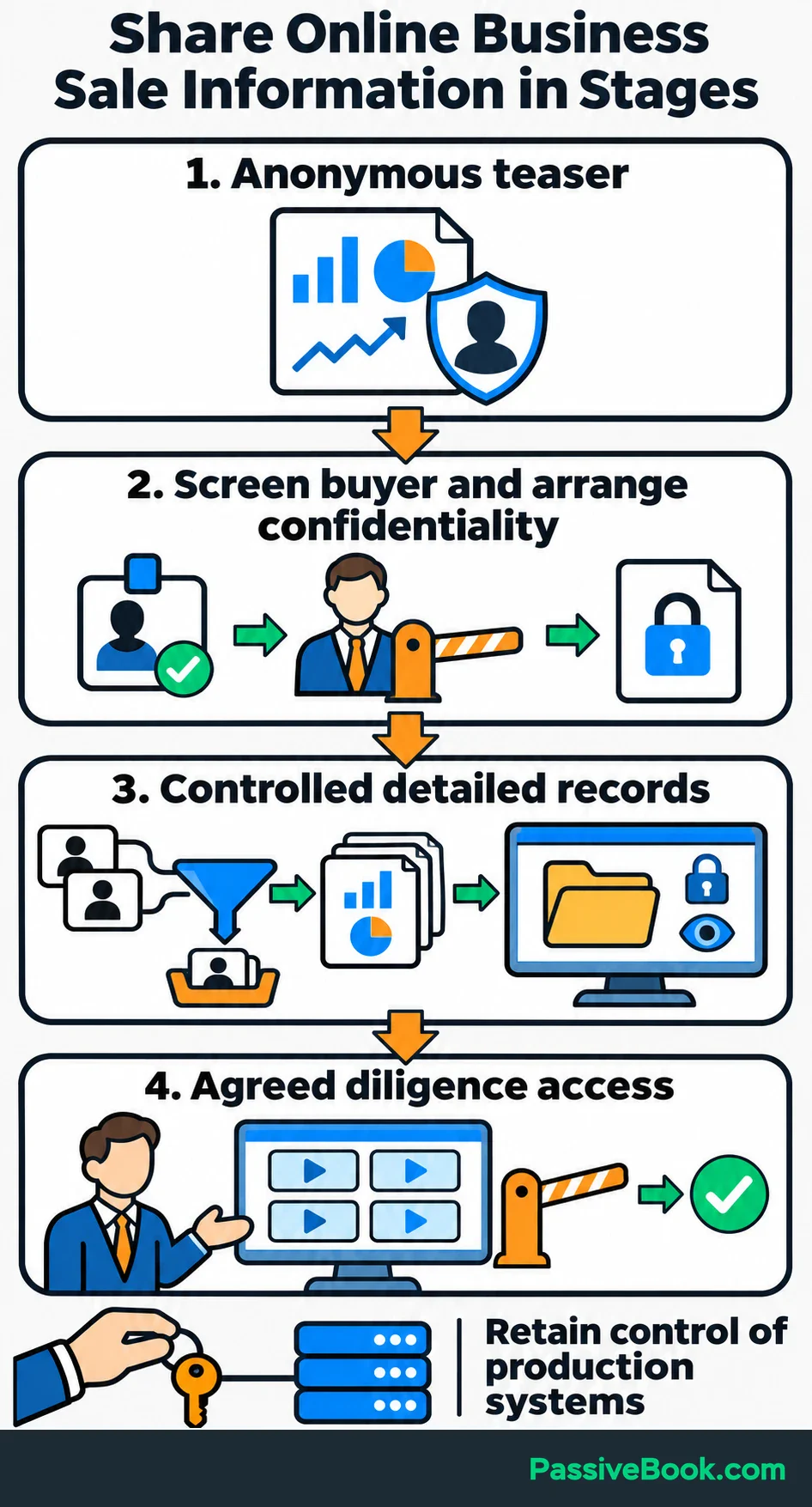
Share information in stages:
- Send the anonymous teaser.
- Screen the buyer and arrange a confidentiality agreement.
- Provide detailed records through controlled access.
- Grant further access as needed for agreed diligence.
Use read-only access or supervised demonstrations where possible, and retain control of production systems.
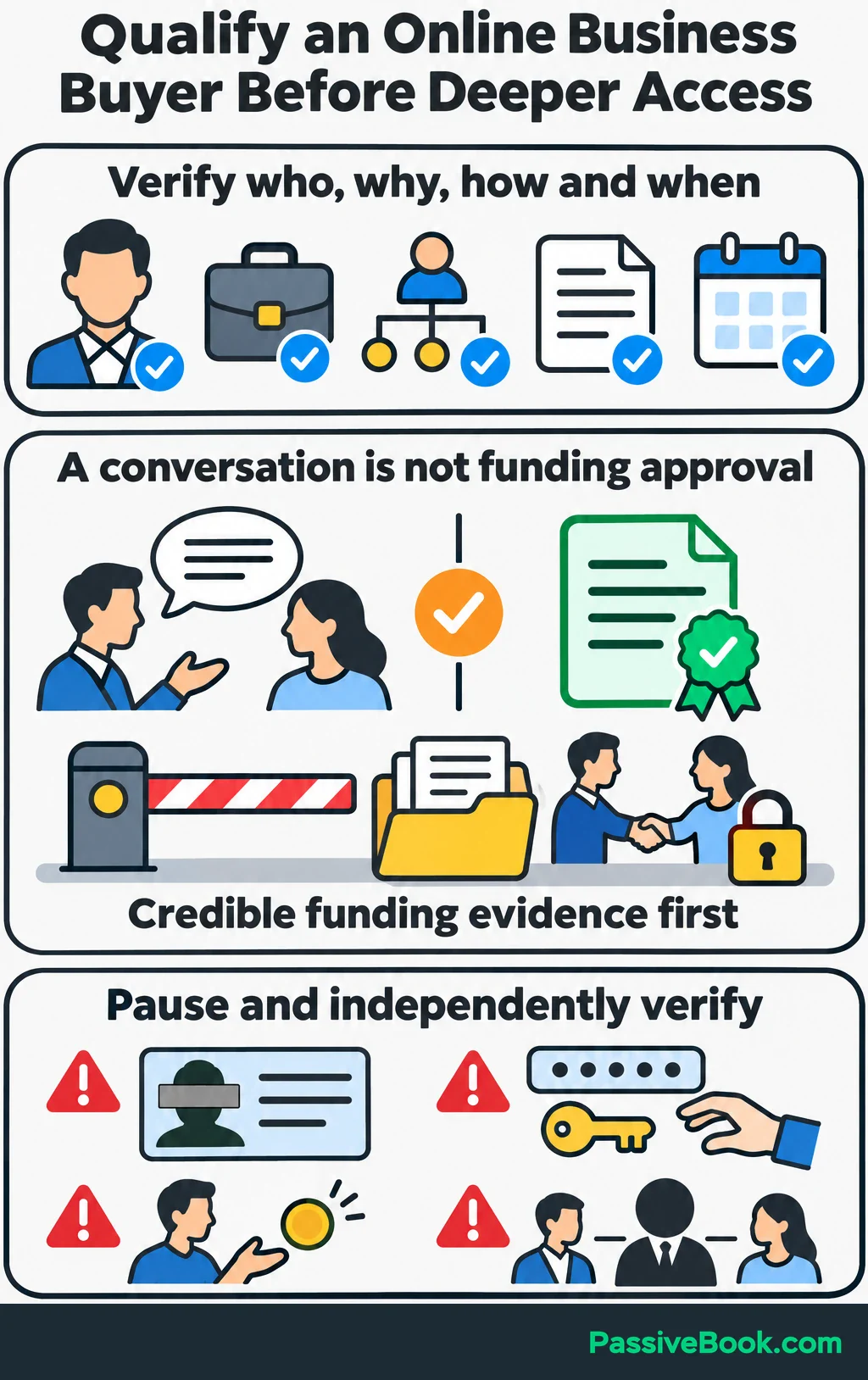
Remove unnecessary personal information from shared records. Check privacy requirements before disclosing customer data; for UK GDPR-covered information, the ICO requires a lawful basis before sharing.
Pause if a buyer avoids identity checks, demands credentials early, requests unexplained payments or introduces intermediaries you cannot verify. Confirm professional contacts independently using a trusted source.
Track each qualified buyer’s funding status, information received, open questions, next action and offer terms. This also helps you spot who keeps moving toward a transaction and who keeps requesting another spreadsheet.
Step 7: Negotiate the Offer and Letter of Intent
Compare Offers Beyond the Headline Price
Compare what arrives at closing, what may arrive later and what you must do to receive it.
The main deferred-payment structures differ:
- Seller Financing: The buyer owes you an agreed amount paid over time.
- Earnout: Additional payment depends on defined future performance.
- Holdback: Part of the price is retained pending specified conditions or possible claims.
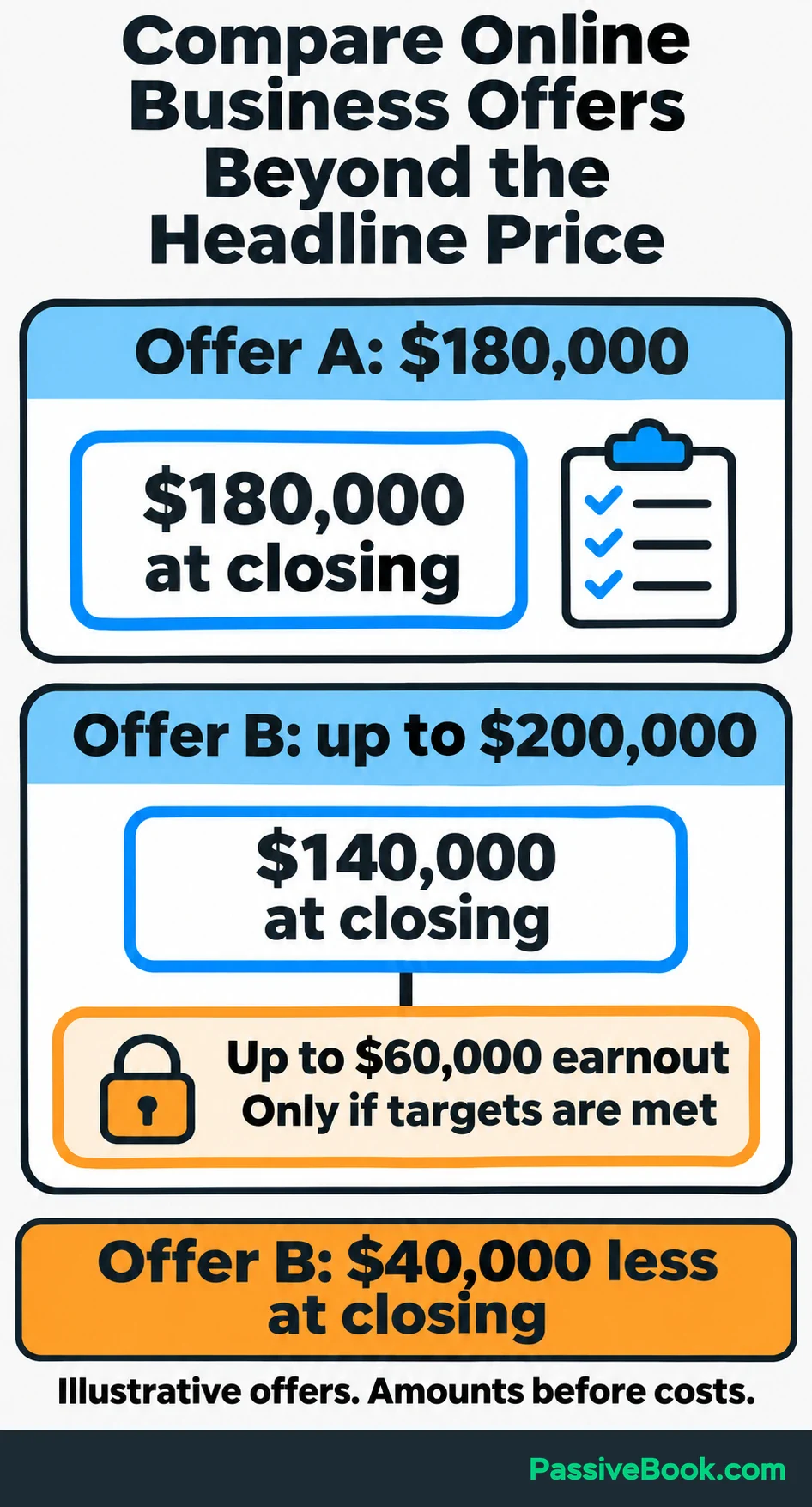
An offer can combine them. Acquire.com explains these payment structures and their different risks.
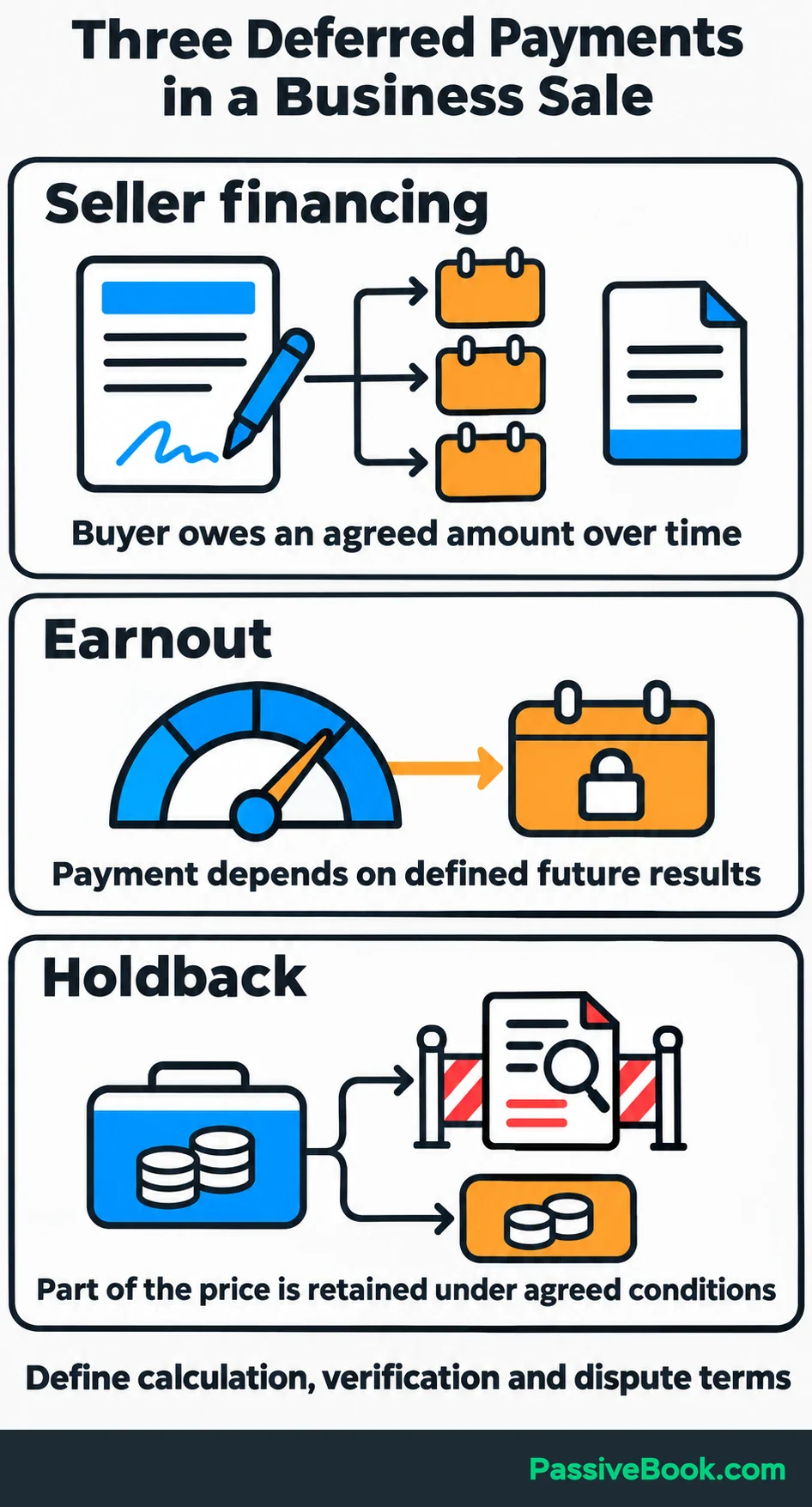
Consider two illustrative offers for the watercolor business:
| Offer | Headline Price | Closing Cash | Deferred Amount | Payment Conditions | Transition Work |
|---|---|---|---|---|---|
| A | $180,000 | $180,000 before costs | $0 | Cash payable under the agreed closing conditions | Defined handover period |
| B | $200,000 | $140,000 before costs | Up to $60,000 | Earnout payable only if agreed targets are met | Handover plus any separately agreed ongoing work |
Offer B provides $40,000 less at closing. It reaches $200,000 only if the earnout conditions are satisfied.
For each offer, calculate fees, professional costs and estimated taxes using its actual terms. Check whether selling fees apply to deferred amounts and when those fees become payable.
For seller financing, agree on payment dates, interest and what assets or guarantees back the debt. Have your lawyer spell out what you can recover if payments stop. For an earnout, define the targets, how results are calculated and checked, and which buyer decisions could affect them. Agree on how disputes will be resolved. “A share of future profits” leaves too much unanswered.
I would favor the cash offer if it met my proceeds floor and I wanted a clean exit. I would consider deferred payments only after deciding that their possible benefit justified the collection risk and continuing obligations.
Agree the Terms Before Granting Exclusivity
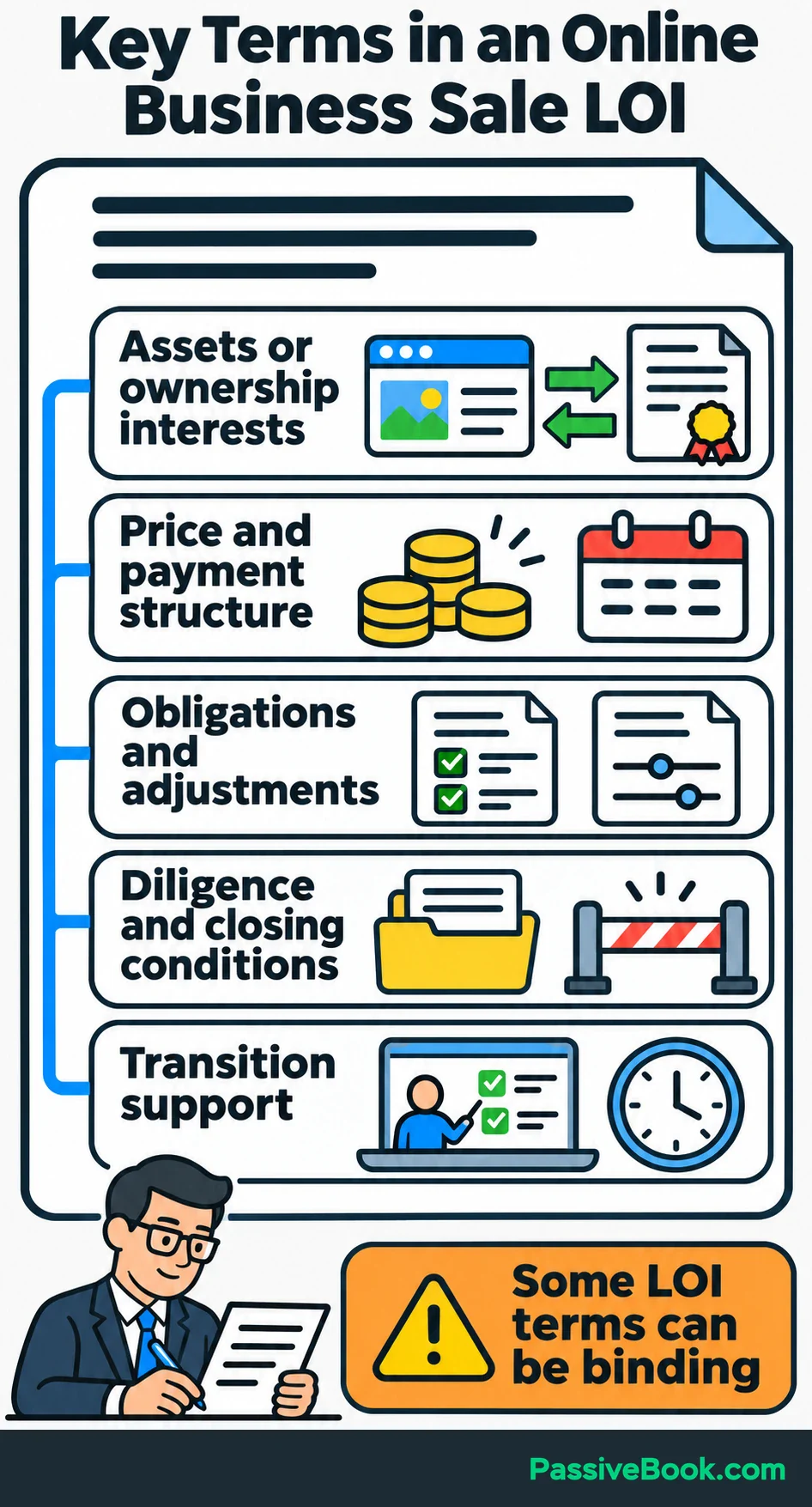
A letter of intent, or LOI, records the proposed deal before the full purchase agreement.
Include the assets or ownership interests, price, payment structure, assumed obligations, price adjustments, diligence scope, closing conditions and transition support.
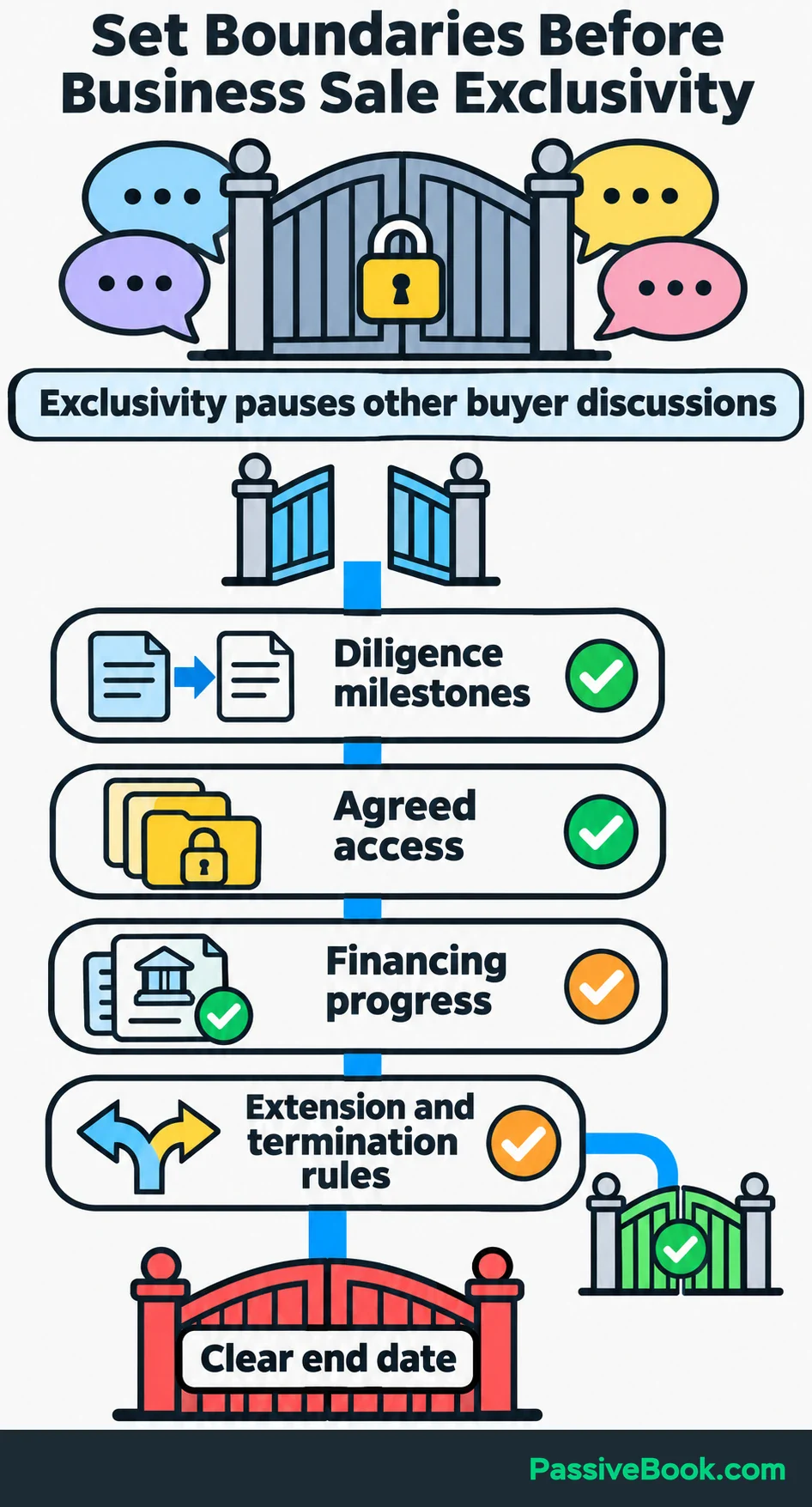
If the buyer wants exclusivity, agree on:
- A clear end date.
- Diligence milestones and expected access.
- Evidence of progress on financing.
- An extension process.
- Termination rights.
Exclusivity pauses your discussions with other buyers, so give it a defined purpose and deadline.
Have a lawyer experienced in business sales review the LOI before signing. Acquire.com notes that an LOI can contain legally binding terms, even when the acquisition proposal is generally nonbinding.
Record changes in writing and confirm that the buyer’s financing plan fits the proposed timetable.
Step 8: Complete Due Diligence
Due diligence is the buyer’s examination of the claims supporting the offer. Agree on a request list, responsible contacts, document access and response schedule.
Expect questions about financials, traffic, sales, ownership, contracts and operations. Answer from original records and maintain one written question-and-answer log.
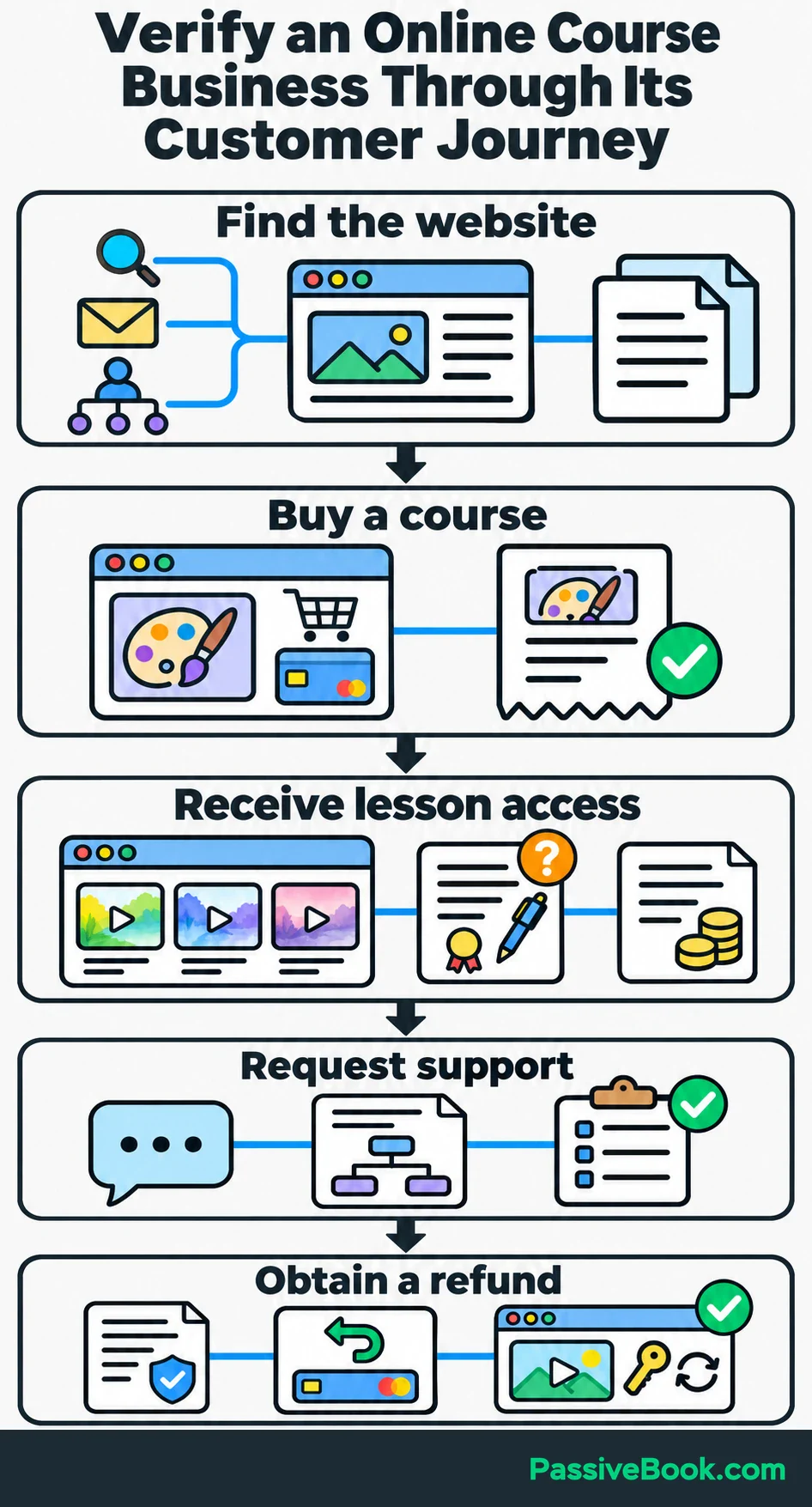
For the watercolor website, walk through the complete customer journey: finding the site, buying a course, receiving access, requesting help and obtaining a refund. Show the rights to the lessons and the costs of keeping delivery working.
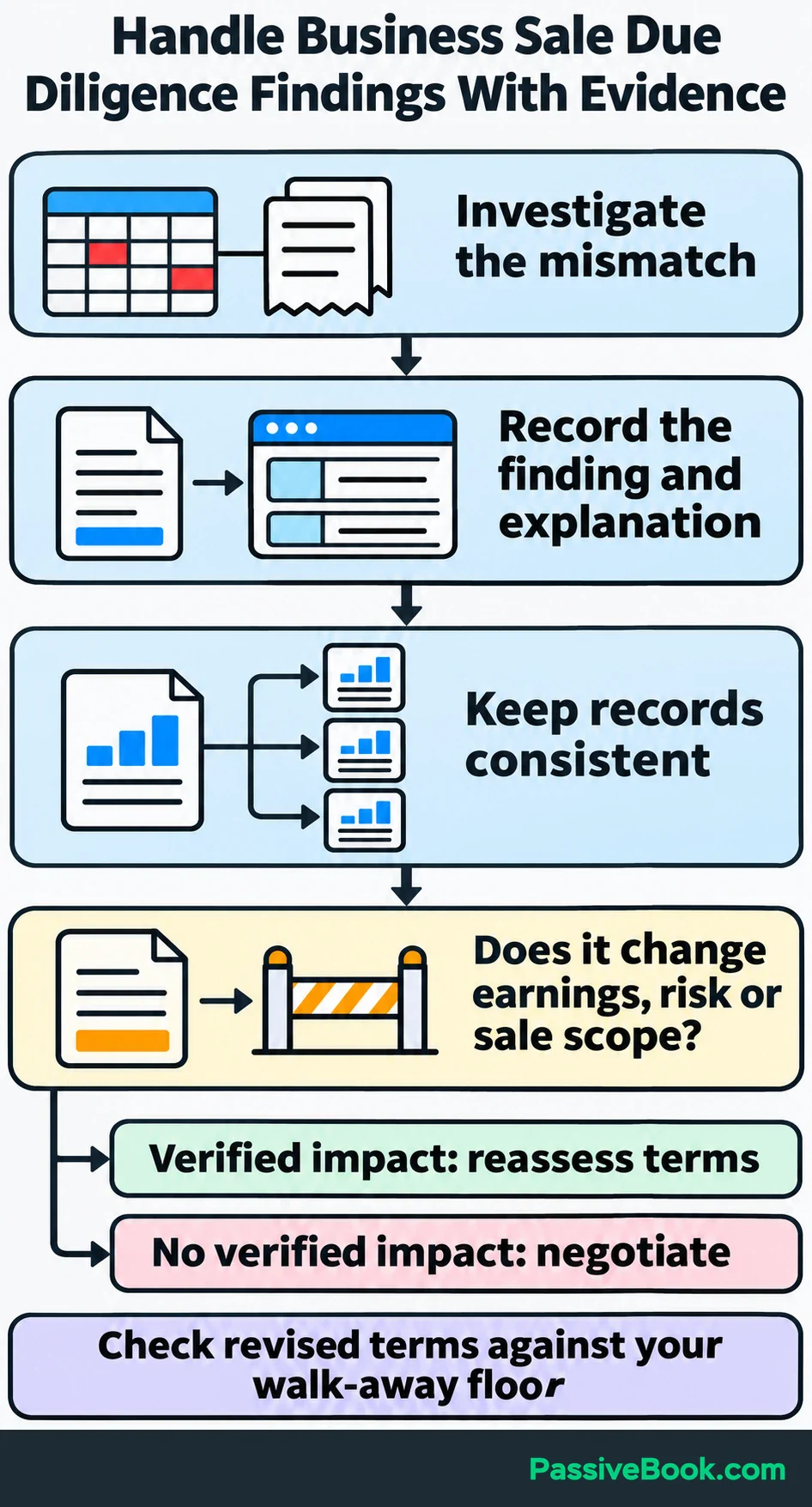
If a number does not match, investigate it and document the explanation. Do not patch one spreadsheet while leaving a conflicting version elsewhere.
Resolve account-transfer permissions, third-party consents, financing conditions and required buyer accounts before relying on a closing date.
Meanwhile, keep essential marketing, maintenance and customer support running. I would reserve regular time for diligence rather than let every incoming question interrupt the business.
Provide agreed performance updates and disclose material changes. The buyer needs to understand what has happened since the offer.
If they request a price reduction, ask which verified finding changes earnings, risk or the agreed scope. A missing content-rights agreement deserves attention. A buyer simply wanting a discount deserves a negotiation.
Compare any revised offer with the evidence and your walk-away terms. Time already spent does not make an inadequate deal acceptable.
Step 9: Complete the Sale
Finalize the Purchase Agreement
Have your lawyer document the final deal and check that the purchase agreement accurately covers the assets and liabilities involved, as the SBA recommends.
The agreement should cover what transfers, what stays behind, payments and price adjustments. Include disclosed problems, each side’s promises and responsibilities, what happens if either side breaks the agreement and the conditions that must be met before closing.
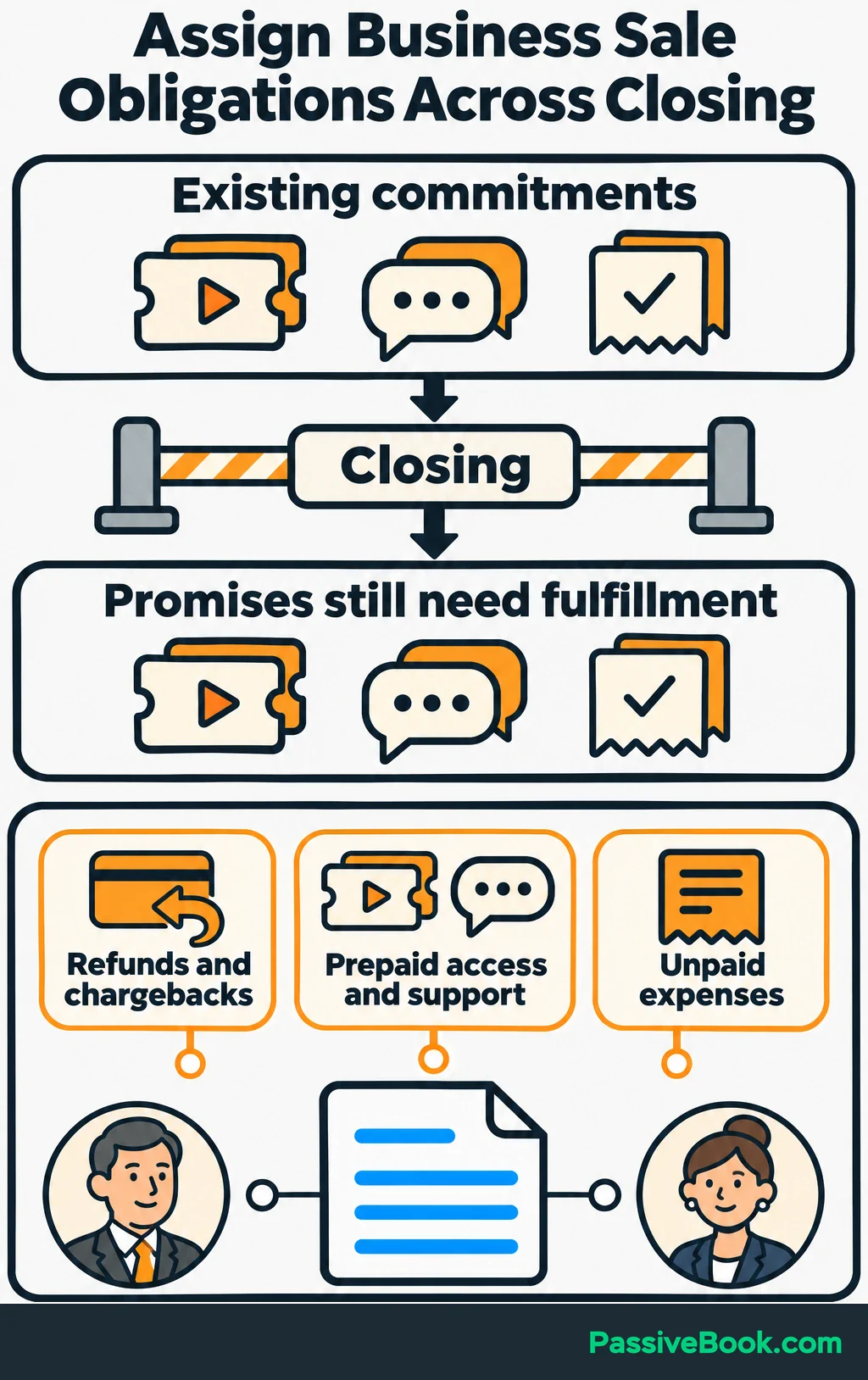
Allocate obligations that span closing. Who handles earlier refunds, chargebacks, prepaid commitments and unpaid expenses?
For the watercolor business, specify who must honor existing promises of course access and support. Those promises do not disappear when the domain changes hands.
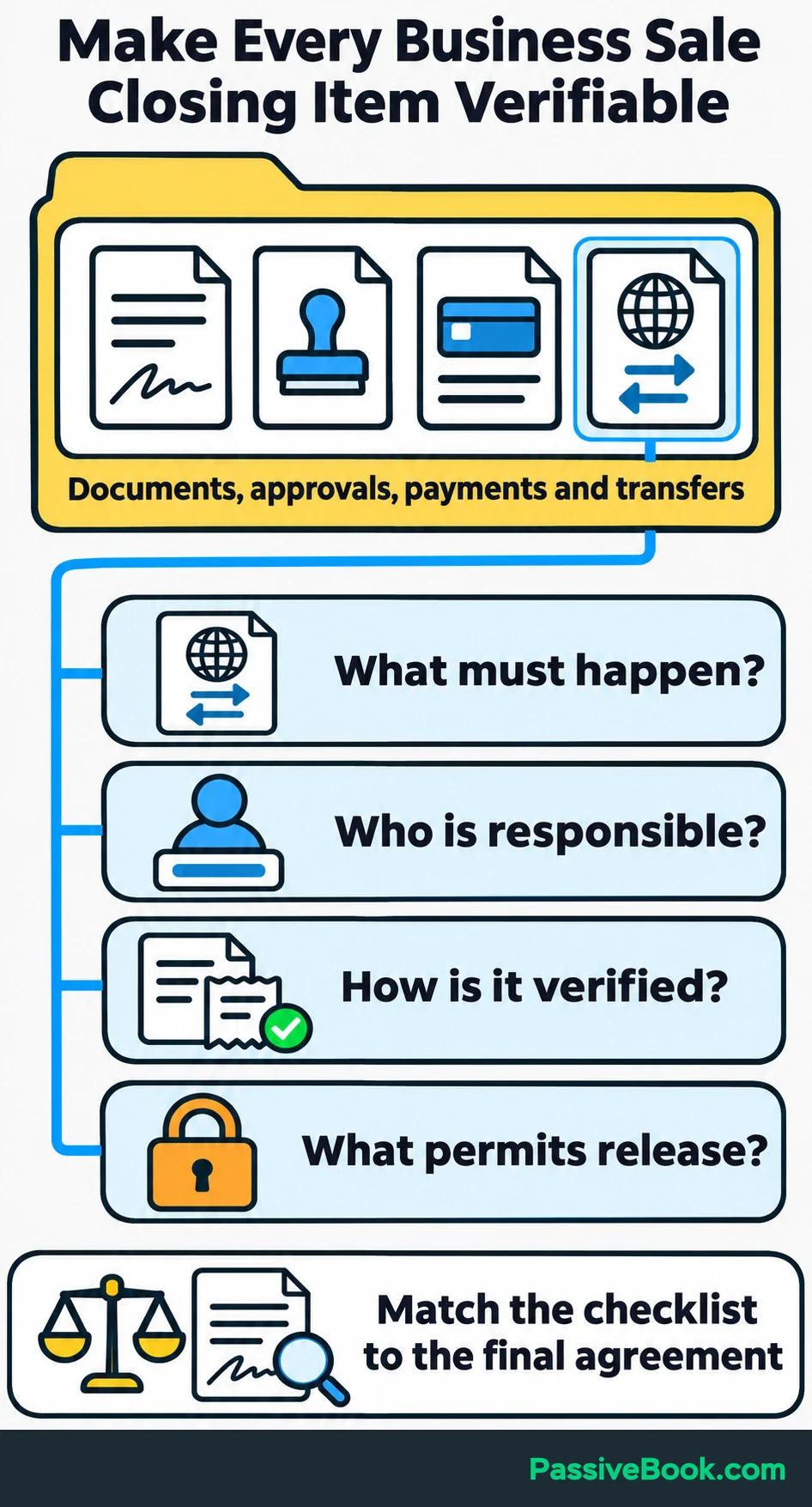
Define the handover just as clearly: tasks, training hours, response expectations and an end date. “Reasonable support as needed” could become a long relationship you thought you were leaving.
Prepare a closing checklist naming each document, approval, payment and transfer. Assign a responsible person, verification step and release condition to every item.
Coordinate Verified Payment With Ownership Transfer
Choose an appropriate escrow or professional closing arrangement. Escrow holds funds while the parties complete agreed conditions.
Confirm that the provider supports the parties’ jurisdictions, the assets and the payment structure. Review fees, inspection terms, release conditions and dispute procedures before funding.
Escrow.com’s published process, for example, verifies buyer payment before delivery and releases funds under its acceptance and inspection terms. Your closing instructions must fit both the agreement and the provider’s process.
Use a written sequence:
- Complete the required signatures and closing approvals.
- Confirm funding directly through the chosen provider.
- Transfer assets through the approved processes.
- Complete the agreed inspection and acceptance checks.
- Release funds and reconcile the settlement.
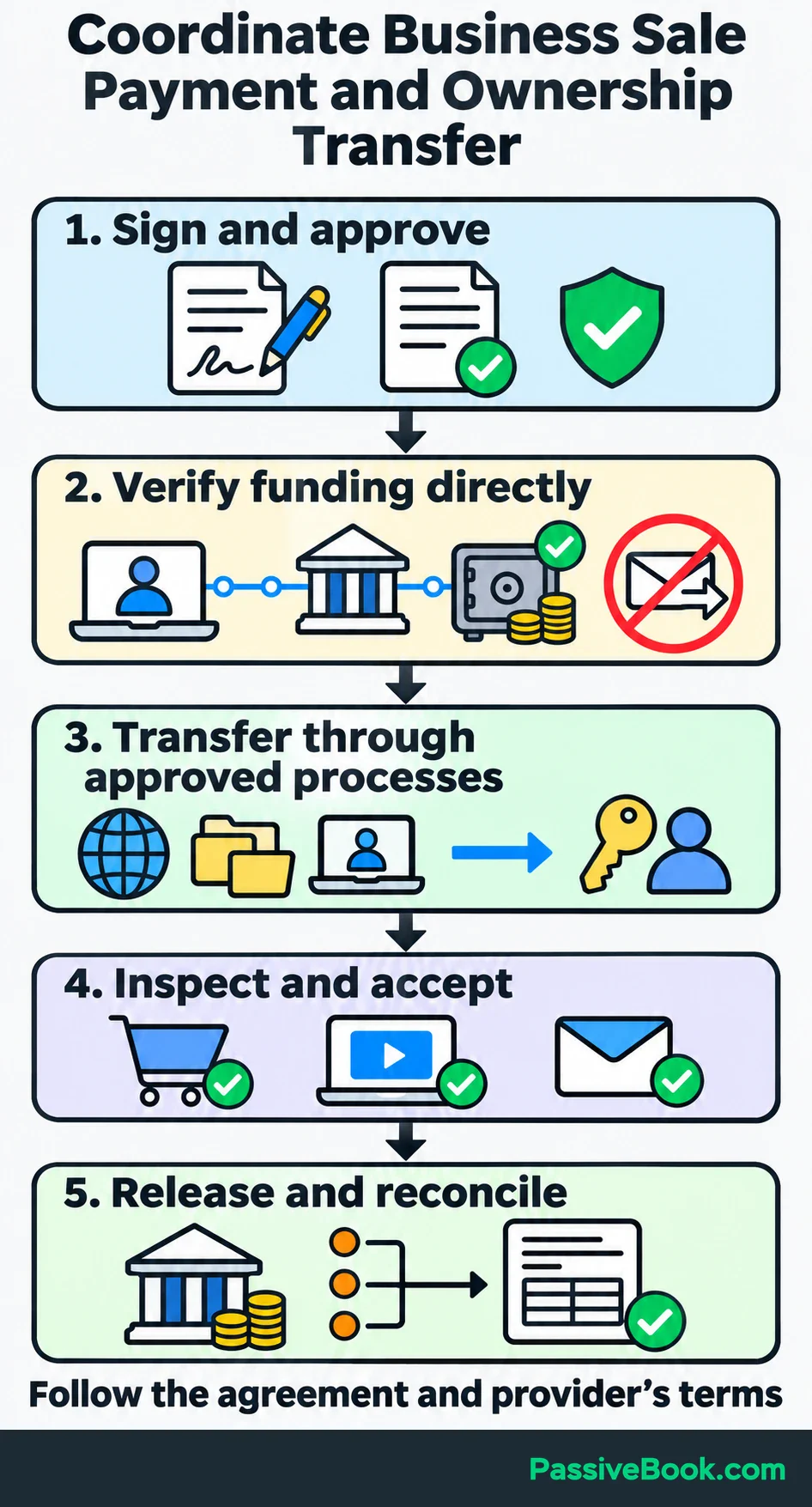
A screenshot or forwarded email is not direct confirmation of funding. Independently verify payment instructions through a trusted contact channel, especially if instructions change.
Transfer the domain, website, files, contracts and permitted accounts. Establish access under the buyer’s credentials and retain backups and evidence of delivery as agreed.
For the watercolor site, test checkout, course access, email delivery, essential integrations and support under the buyer’s control. Agree on those acceptance tests before closing so both parties know what successful delivery means.
Finally, reconcile deductions against the settlement statement and confirm receipt of the amount due at closing.
Finish the Agreed Handover
Deliver the operating manual, asset register, contractor introductions and promised training.
Have the buyer complete a test purchase and a routine support task. Watching a demonstration is useful, but completing the task reveals whether they can operate the business themselves.
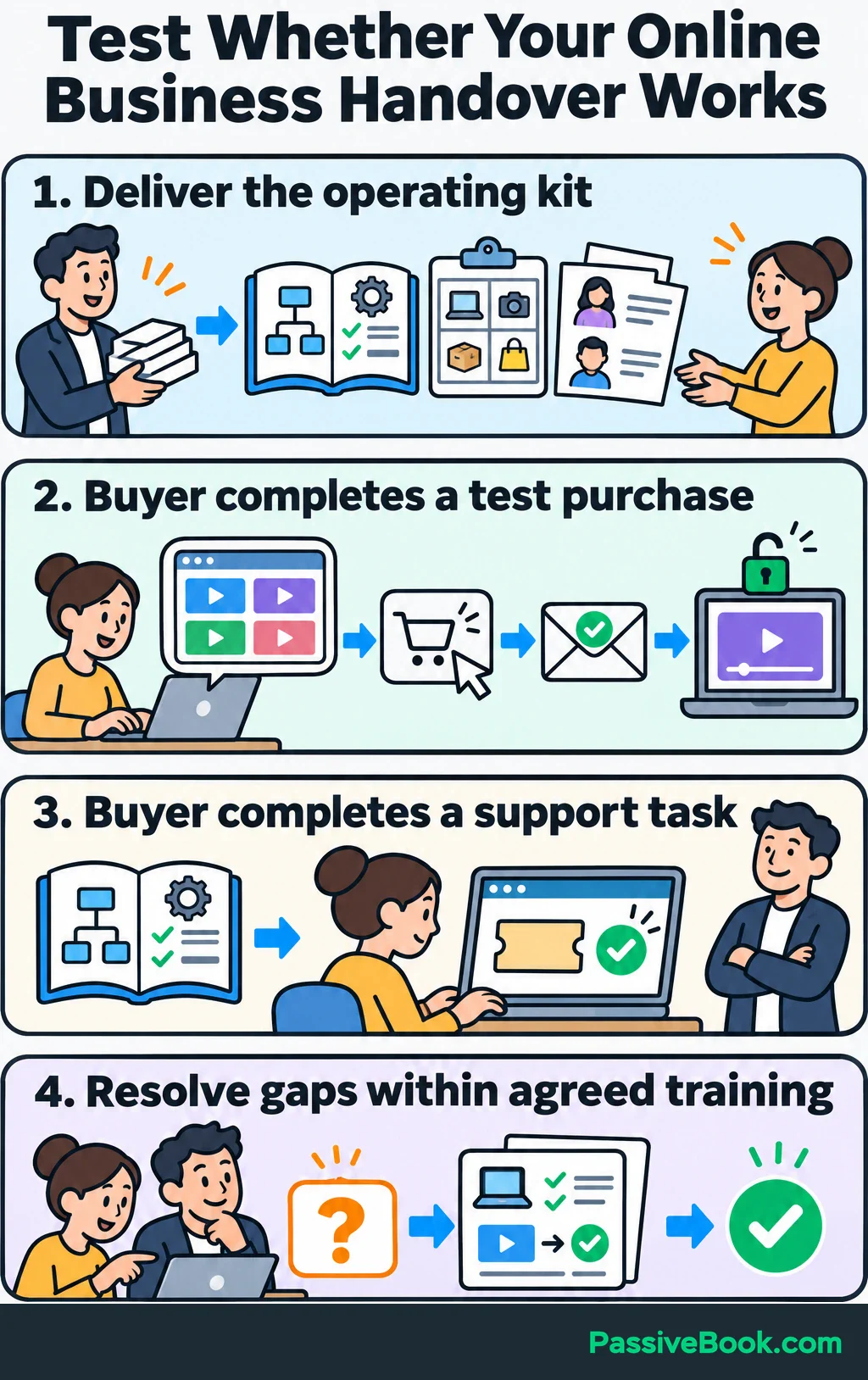
Coordinate customer and contractor communications according to the agreement. Explain practical changes such as the new support contact and who will fulfill existing commitments.
After the agreed verification steps, remove remaining seller access and update recovery contacts. Keep only the access explicitly required for transition work, then remove it when that work ends.
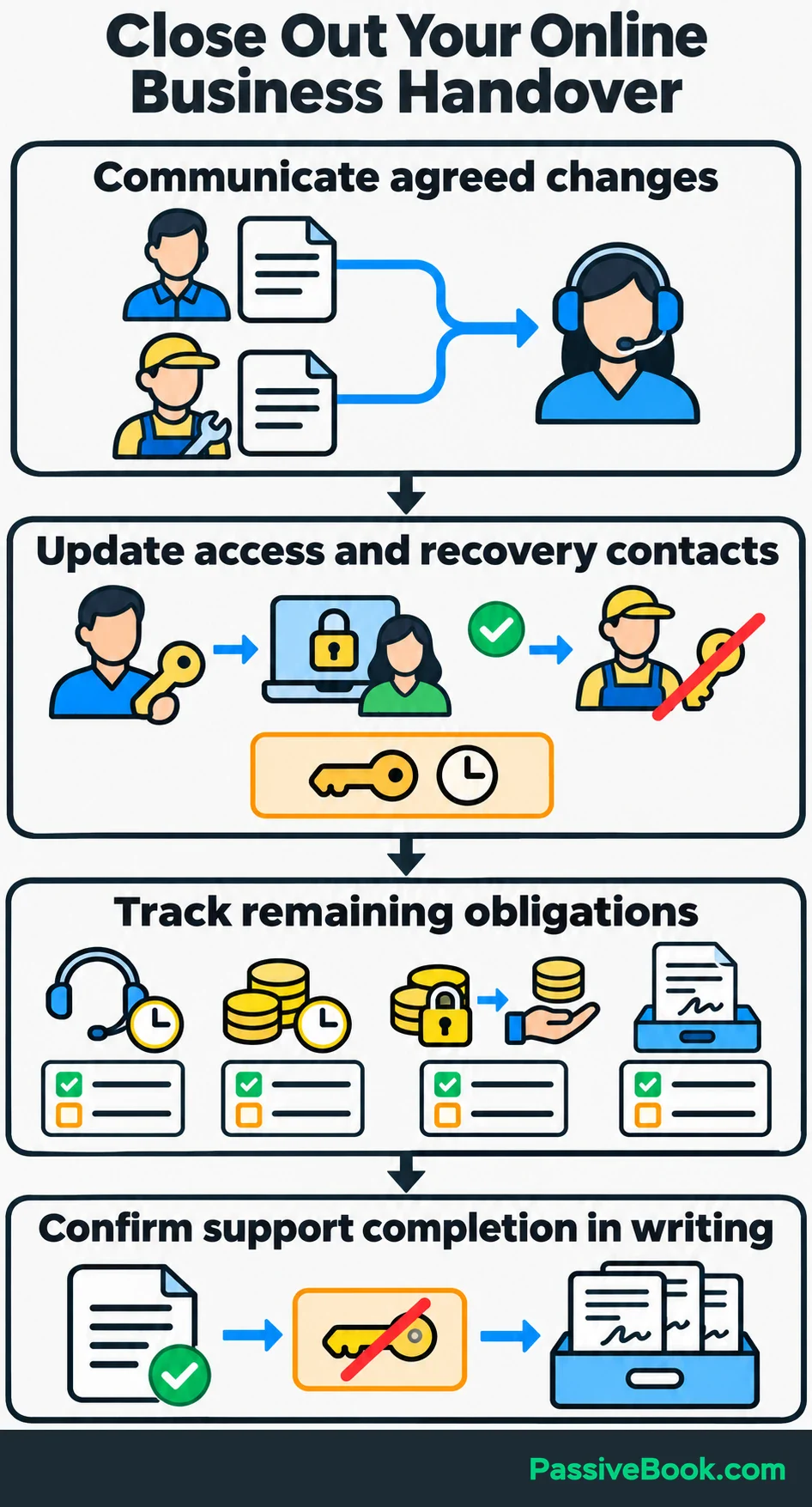
Track support deadlines, deferred payments, holdback releases and required filings on a dated checklist. Retain signed agreements and necessary transaction records.
Confirm in writing when the support period is complete. A clear endpoint lets the buyer take ownership and lets you move on.
What Next?
Create your asset register and gather the last 12 months of financial records. Those two tasks will reveal the most useful preparation work before you choose a price or contact buyers.
Use the social buttons to share this guide when a conversation about selling needs to move from an asking price to a workable deal.
Which part of your business would be hardest to hand over without your help? Share your answer—or any other questions about selling—in the comments.
Share this post with your friends & followers:

