I wasted three months building a detailed 40-page business plan for my first online venture. Complete with five-year projections, competitive matrices, and organizational charts that assumed I’d hire a team.
The result? I never launched. The planning paralyzed me.
What I needed was a simple framework to validate my idea and make my first sale. That’s what this guide delivers. A lean business plan you can complete in one weekend, designed for solopreneurs building side businesses with limited time and capital.

- •What Is an Online Business Plan?
- •Why Traditional Business Plans Fail Side-Hustlers
- Step 1: Validate Your Idea Before Planning
- Step 2: Define Your Core Business Concept and Company Description
- Step 3: Identify Your Target Market and Customer Profile
- Step 4: Map Your Revenue Model and Pricing
- Step 5: Design Your Marketing Strategy
- Step 6: Set Financial Milestones
- Step 7: Plan Your First 90 Days
- •Free Business Plan Templates and Tools
- •Frequently Asked Questions
- •What Next?
What Is an Online Business Plan?
An online business plan is your one-page roadmap documenting three critical elements: what you’re selling, who’s buying it, and how you’ll reach your first sale.
It’s not a traditional business plan with lengthy financial forecasts and organizational hierarchies. For solopreneurs, this simplified framework functions as your executive summary – focusing on market validation over detailed projections. You’re not pitching venture capitalists. You’re testing whether real people will pay for your solution.
The data supports this approach. Businesses with documented plans are much more likely to succeed than those operating without written strategy. But the key word is “documented,” not “exhaustive.” A focused one-page plan beats a 50-page document you never execute.
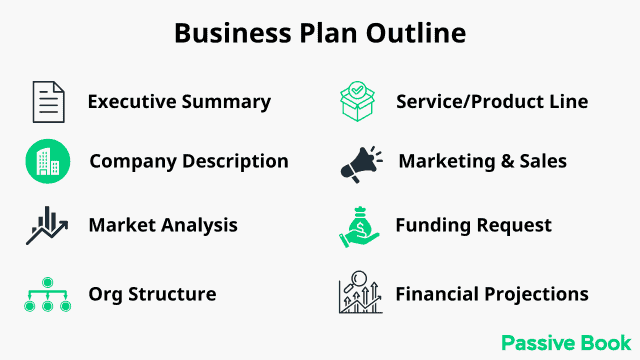
Why Traditional Business Plans Fail Side-Hustlers
Traditional business plan formats were designed for entrepreneurs seeking investment capital or building companies with employees. They assume you have full-time focus, startup funding, and operational complexity that requires organizational charts and multi-year cash flow statements.
That’s not your reality. You’re carving out 5-15 hours weekly around a day job. You’re bootstrapping with minimal capital.
You need to test your business idea quickly, not spend months perfecting financial projections based on assumptions.
CB Insights research shows 42% of startups fail from lack of market need, not inadequate documentation. The irony? Lengthy planning often delays the market validation that actually determines success. Side-hustlers need frameworks that prioritize getting real customer feedback over creating impressive documents.
Skip the traditional business plan template. What follows is a lean business plan approach designed for your constraints.
Step 1: Validate Your Idea Before Planning
The biggest mistake I see solopreneurs make is perfecting a business concept before confirming anyone actually wants it. You can’t plan your way to product-market fit. You discover it through testing.
This step inverts the traditional sequence. Instead of extensive market research leading to a detailed plan, you’ll run quick experiments that generate real data.
That data becomes the foundation of your business plan.
Test Demand in 48 Hours Without Building Anything
Create a simple landing page describing your offer as if it already exists. Use free tools like Carrd or Google Sites. Write three sections: the problem you solve, the transformation you deliver, and a call-to-action to join a waitlist or pre-order.
Drive 50-100 people to this page through your existing network, relevant Facebook groups, or Reddit communities where your target market gathers. Measure your email signup conversion rate. In successful validation tests, 10-15% of visitors sign up to learn more.

Pre-sell to 3-5 people before investing serious development time. Morning Brew started as a college newsletter. The founder validated demand by pitching face-to-face in business classes to get his first 100 subscribers, then asked them to forward the newsletter to classmates who might find it valuable. This word-of-mouth approach confirmed people voluntarily shared his content – proof of genuine value. That college newsletter later sold to Business Insider for $75 million.
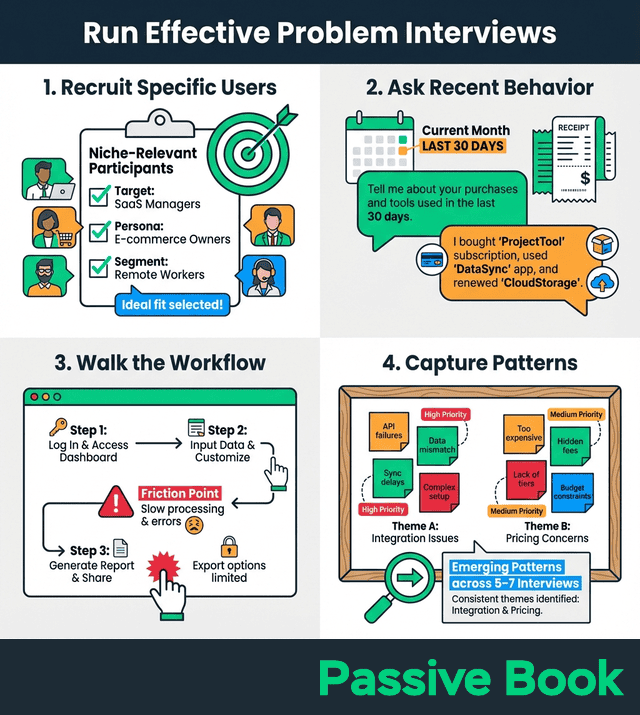
Interview 10 Potential Customers
Schedule 20-minute conversations with people who fit your ideal customer profile. Don’t pitch your solution. Instead, ask about their current challenges and what they’re already doing to solve the problem.
Document the exact language they use describing pain points. These phrases become your marketing copy later. When someone says “I feel overwhelmed trying to manage my finances,” that’s more powerful than your assumption about their needs.
If you have an existing business with customers, interview them about what initially attracted them to your solution and what keeps them paying.
Step 2: Define Your Core Business Concept and Company Description
Once you’ve validated demand, it’s time to articulate exactly what transformation your online business delivers. This isn’t about listing features or describing your product service. It’s about clarifying the change you create in your customer’s life.
Your company description becomes the foundation of every business plan section you’ll write. It guides your marketing strategy, pricing decisions, and which key elements to prioritize as you grow your business.
Craft Your Transformation Statement
State your customer’s “before state” problem and their desired “after state” outcome in one clear sentence. This transformation statement functions as a mission statement – but focused on customer outcome rather than corporate values. This becomes your business guide for all future decisions.
A productivity creator might say: “I help overwhelmed professionals transform from working 60-hour weeks to achieving the same results in 40 hours through systematic frameworks.”
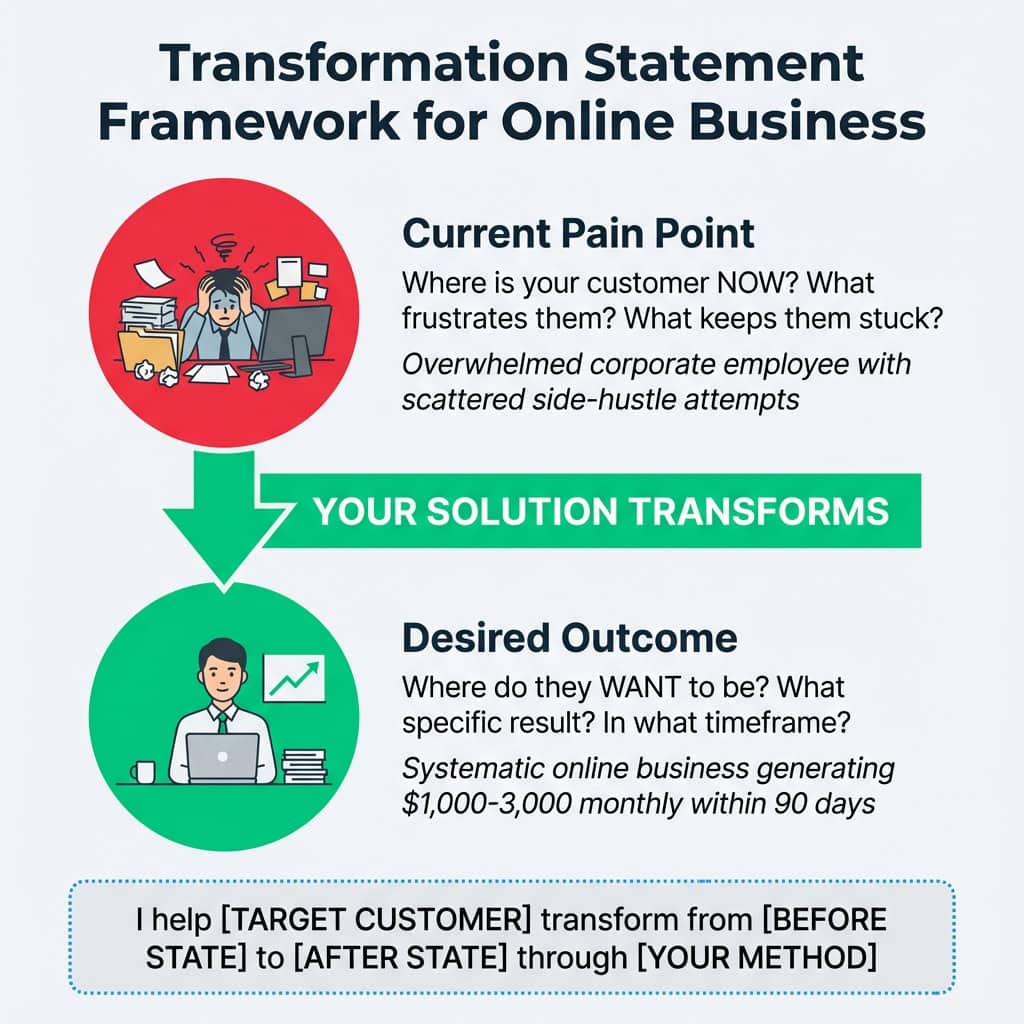
Notice how this clearly defines both the starting point and the destination.
Focus on outcome benefits, not technical specifications. Your customers don’t buy features. They buy the version of themselves they’ll become after using your solution.
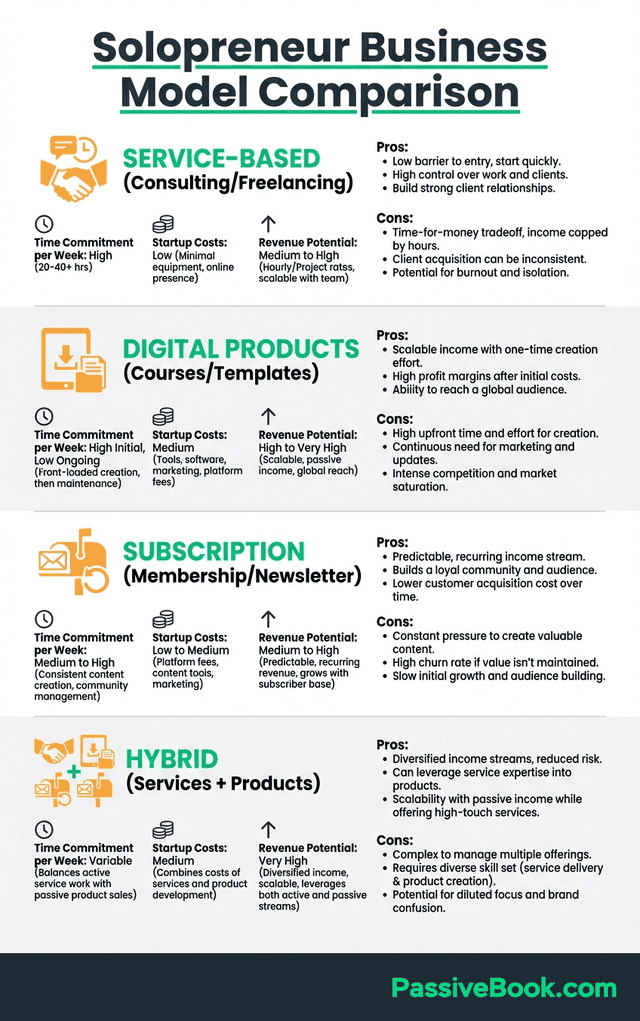
Choose Your Business Model
Your business model determines how you make money and how much time you’ll invest weekly. The wrong choice here conflicts with your available hours, causing burnout or forcing you to quit.
One creator scaled from $0 to $1,000 monthly in 90 days by choosing a hybrid approach. He combined freelance services with digital templates he created once. This let him work 10-15 hours weekly while keeping his full-time job.
Match your model to your constraints. If you have 5 hours weekly, creating evergreen content or digital products makes more sense than offering one-on-one services. If you have 15 hours and need cash flow quickly, starting with service-based income while building products works better.
Think about natural progressions that grow your business without proportionally increasing your time investment.
Step 3: Identify Your Target Market and Customer Profile
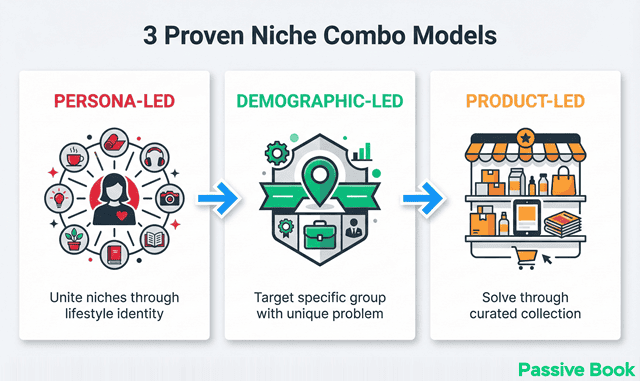
Defining your target market is where most business plans get generic. They describe “busy professionals” or “health-conscious consumers” without specificity. That vagueness makes it impossible to create effective marketing or retain customers.
You need depth, not breadth. A narrow niche where you become a recognized authority beats trying to serve everyone. This is essential for small businesses competing against established players with bigger budgets.
Build Your Ideal Customer Profile
Start with demographics: age range, income level, life stage, geographic location. Then go deeper into psychographics: their values, daily frustrations, online behavior patterns, and what they fear losing.
The numbers tell a compelling story. 29.8 million solopreneurs contribute $1.7 trillion to the US economy. But they’re not a monolithic group.
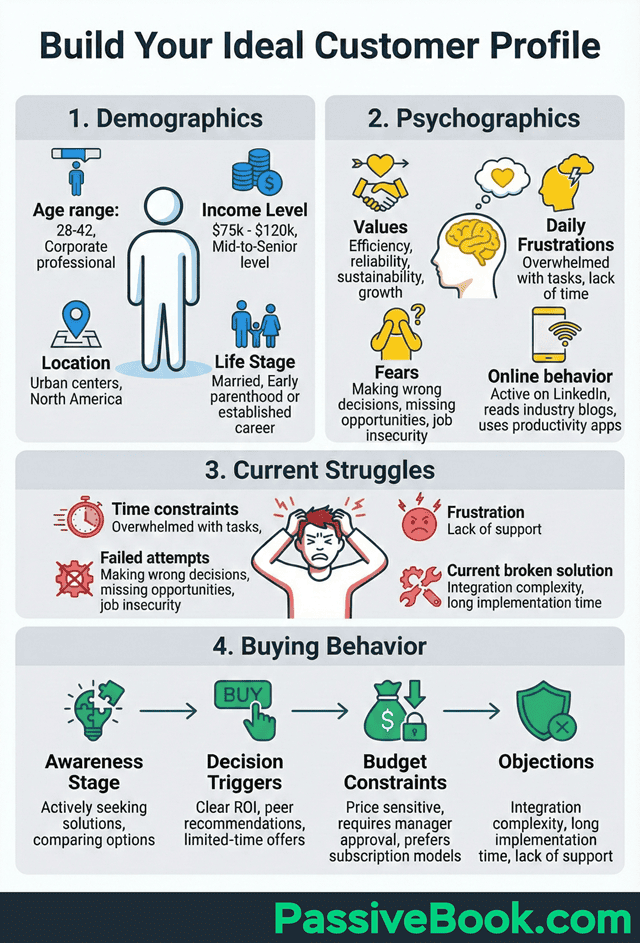
A 28-year-old freelance designer building a first client base has different needs than a 42-year-old corporate professional launching a side hustle to eventually replace their salary.
Focus on becoming the obvious choice for one narrow segment. When you try to appeal to everyone, you differentiate yourself to no one. Your competitive advantage comes from understanding one group deeply, not serving multiple groups superficially.
Map Customer Journey and Pain Points
Identify their awareness stage: how do they currently solve this problem, even if imperfectly? Document what triggers their decision to seek new solutions. Understanding this journey is essential for your marketing strategy.
Your customer research doubles as competitive analysis. Understanding how they currently solve problems reveals your direct and indirect competitors – and where your solution fits in the landscape.
Use this five-question framework in customer interviews: What problem were you trying to solve when you first searched for a solution? What have you already tried that didn’t work? What would need to be true for you to pay for a solution? What’s the maximum you’d spend without needing to justify the purchase to anyone? Where do you normally discover new tools or services like this?

I spent my first year targeting “anyone who wants to make money online.” Terrible idea. My content was so broad it helped no one. Once I narrowed to “corporate employees building side businesses,” my conversion rate tripled.
A solopreneur selling budget meal-planning templates mapped her customer journey this way: Awareness stage: Pinterest users searching “cheap meal ideas.” Decision trigger: monthly grocery bill exceeding $800 for a family of four. Primary objection: “I don’t have time to learn new systems.” Budget constraint: unwilling to spend more than $27 for a solution.
This depth of market research – moving beyond demographics into psychographics – is what separates effective market analysis from guesswork. This specificity shaped everything. She knew to focus content on Pinterest, price her product at $27, emphasize the 15-minute setup time, and show actual grocery receipts from families who cut spending by $200+ monthly. That’s the power of mapping the journey before you write marketing copy.
Step 4: Map Your Revenue Model and Pricing
Your revenue model determines how you’ll make money and how sustainable your new business becomes. Pricing too low means you’ll burn out working excessive hours for minimal returns. Pricing too high without proven value means zero sales.
This section of your business plan template requires balancing market expectations with your financial needs. You’re not guessing. You’re calculating based on your validation research from Step 1 and your time constraints.
Design Your Offer Structure
Choose between one-time purchases, subscription models, or tiered pricing based on how your customers prefer to pay and how predictable you need your income stream to be. Subscription models provide predictable cash flow, while one-time purchases create revenue spikes that require careful budgeting for lean months.
Research shows side hustlers earn a median $810 monthly according to Bankrate research. That’s not life-changing income initially. But it’s proof of concept you can build on.
Price digital products for 80-90% profit margins after platform fees. These fees typically run 3-5% of your sale price. A $47 digital product with $2.35 in payment processing fees leaves you $44.65 – a 95% margin.
Physical products or services require different calculations. If you’re dropshipping, aim for 30-40% margins after product costs, shipping, platform fees, and return allowances.
I’ve tested all three pricing models. Subscriptions feel amazing for predictable income until you realize you’re now committed to delivering value every single month.
Stack Multiple Income Streams
Don’t rely on a single revenue source. Creator Ali Abdaal built resilience by diversifying across five income streams: YouTube ad revenue, digital courses, newsletter sponsorships, affiliate links, and Skillshare royalties. He grew to over 6 million subscribers and has publicly shared earning over $4.6 million annually. His YouTube channel alone generates approximately $1.5M annually from ads, while his courses contribute another $2M+. When One stream declined, others compensated, maintaining stable monthly cash flow.
Start with one core offer validated through early sales. This is critical.
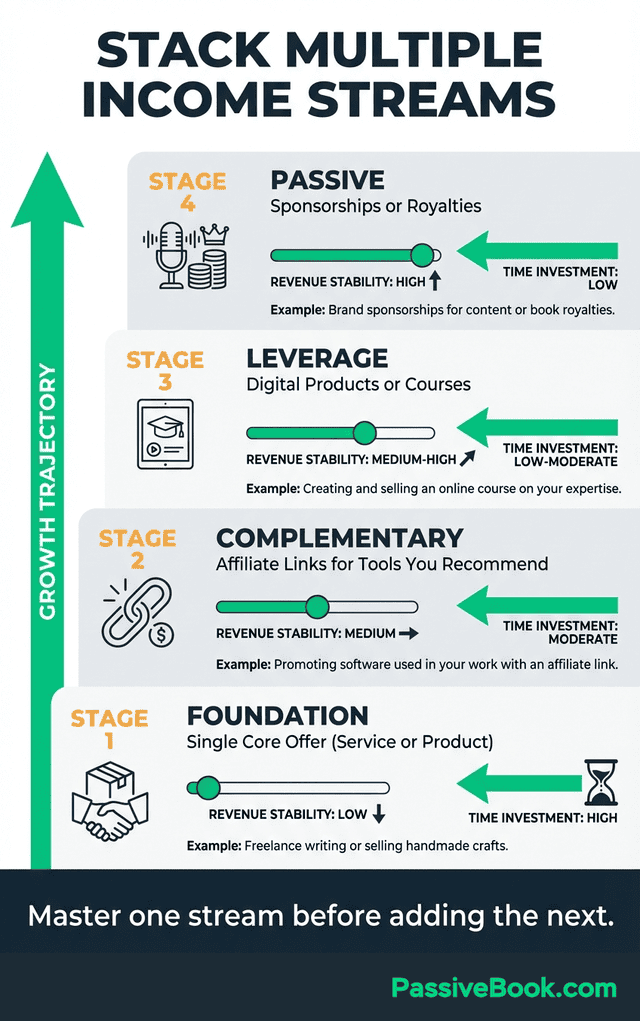
Too many entrepreneurs try launching multiple products at once and dilute their focus. Get your first offer to consistent sales, then add complementary revenue streams.
Think about natural progressions. A YouTube creator might start with ad revenue, add affiliate links for tools they already recommend, then create a paid course for viewers wanting deeper training. Each stream feeds the others rather than competing for attention.
Step 5: Design Your Marketing Strategy
Your marketing strategy is where most free business plan templates fall short. They tell you to “develop a marketing plan” without addressing the solopreneur’s real constraint: you can’t be everywhere at once.
This step rejects the traditional advice to maintain a presence across multiple social media platforms, build an elaborate sales funnel, and run paid advertising campaigns. You don’t have the time or budget for that approach yet.
Select Your Primary Platform
Choose one or two channels where your target market actively spends time and you can consistently create content. Not where you think you “should” be, but where you’ll actually show up weekly.
The economics are compelling. Email marketing generates $42 for every $1 spent – a 4,200% return on investment (ROI) – making it one of the highest-ROI channels for small businesses. But email requires an audience first, which means you need a content platform to drive subscribers.
Ali Abdaal selected YouTube as his primary platform for productivity content. All five of his revenue streams fed from his core YouTube audience. One platform, multiple monetization methods.
Build Your Simple Sales Funnel
Your funnel doesn’t need sophisticated automation or paid ads initially. It needs three clear stages that move people from stranger to customer.
Free content attracts your audience through search algorithms or social media discovery.
A lead magnet like a template, mini-course, or checklist captures email addresses in exchange for immediate value.
An email sequence nurtures trust over 5-7 messages and presents your core offer.
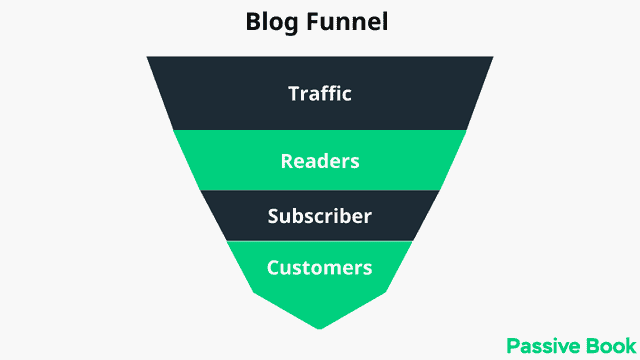
A bootstrapped creator reached $10,000 in monthly revenue using this exact structure with a low-ticket offer and no pre-existing list. She created free YouTube tutorials, offered a PDF checklist as her lead magnet, and sent a five-email sequence that converted subscribers into customers within 90 days.
She didn’t wait to have 10,000 subscribers before monetizing. She started selling when she had 200 people on her list. Small audiences with high trust convert better than large audiences with shallow connections.
Step 6: Set Financial Milestones
Financial projections for a side hustle don’t require complex spreadsheets or five-year revenue forecasts. You need realistic targets for your first year that help you make decisions about whether to continue, pivot, or scale.
Traditional business plan formats waste your time here. They ask for detailed graphs and charts showing optimistic growth curves. You need honest numbers that account for the reality of building slowly while working another job.
Calculate Your Startup Costs
List your one-time expenses first: domain name, website hosting, any initial inventory for physical products, essential tools or software needed to launch. Keep this lean.
Document monthly recurring costs separately: software subscriptions, platform fees for Shopify or Convertkit, and initial advertising budget for paid traffic tests. These ongoing expenses determine your breakeven point.
Most online businesses start with under $5,000 in initial investment according to Shopify research. Many solopreneurs launch for under $500 using free or low-cost platforms. A content creator might only need a $12 domain, $5 monthly hosting, and a free email tool to start.
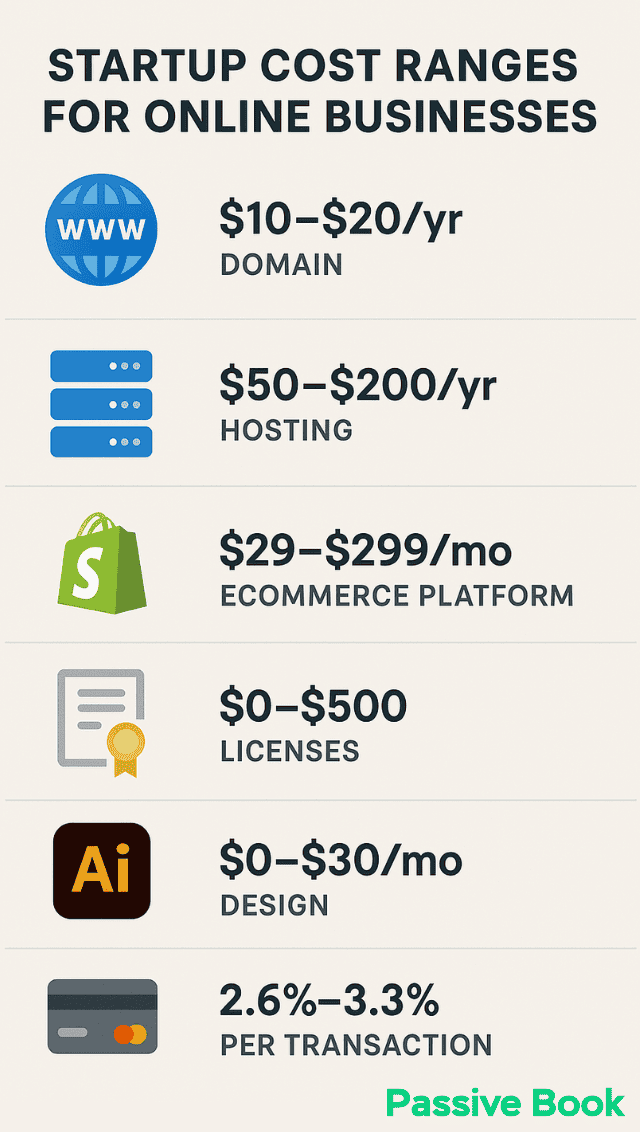
Fair warning: you’ll underestimate your startup costs by at least 30%. I always do. Budget for the unexpected $50 plugin or the tool upgrade you didn’t know you’d need.
Document your startup costs in three categories: one-time, monthly recurring, and contingency. Budget 20% extra for unexpected expenses.
Project Realistic Revenue Timelines
In my experience, expect 3-6 months to your first dollar of revenue. Typical timelines show 12-18 months to reach $1,000 monthly consistently. These timelines assume you’re working 5-15 hours weekly while maintaining other commitments.
The encouraging news: 20% of solopreneurs earn $100K-$300K annually without employees.
But they didn’t start there. They built systematically over 2-4 years, often testing multiple business models before finding what worked.
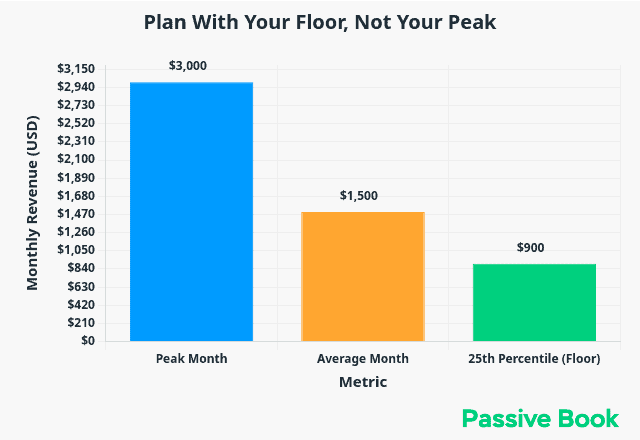
Calculate how many sales you need to break even on your monthly fixed costs. If your expenses are $150 monthly and you sell a $30 product with 50% margins, you need 10 sales to break even. Every sale beyond that is profit. This simple math tells you whether your pricing and volume expectations are realistic.
Realistic projections help you feel confident in your pricing and give you clear milestones for decision-making.
Step 7: Plan Your First 90 Days
Your first 90 days determine whether your startup business gains momentum or stalls in planning paralysis. This final step in your business plan transforms your research into a concrete action schedule.
Most business plan templates skip this entirely or provide vague advice about “execution phases.” You need concrete tasks prioritized by revenue impact, not a comprehensive list of everything you could possibly do. You won’t need organizational charts or hiring plans yet.
Map Critical Launch Tasks
List 5-10 essential actions that directly move you toward your first sale. Sequence them logically and assign realistic timeframes given your available hours.
Week 1-2: Validate with 10 customer interviews. Document their exact language describing pain points.
Week 3: Create a simple landing page using free tools like Carrd or WordPress describing your offer.
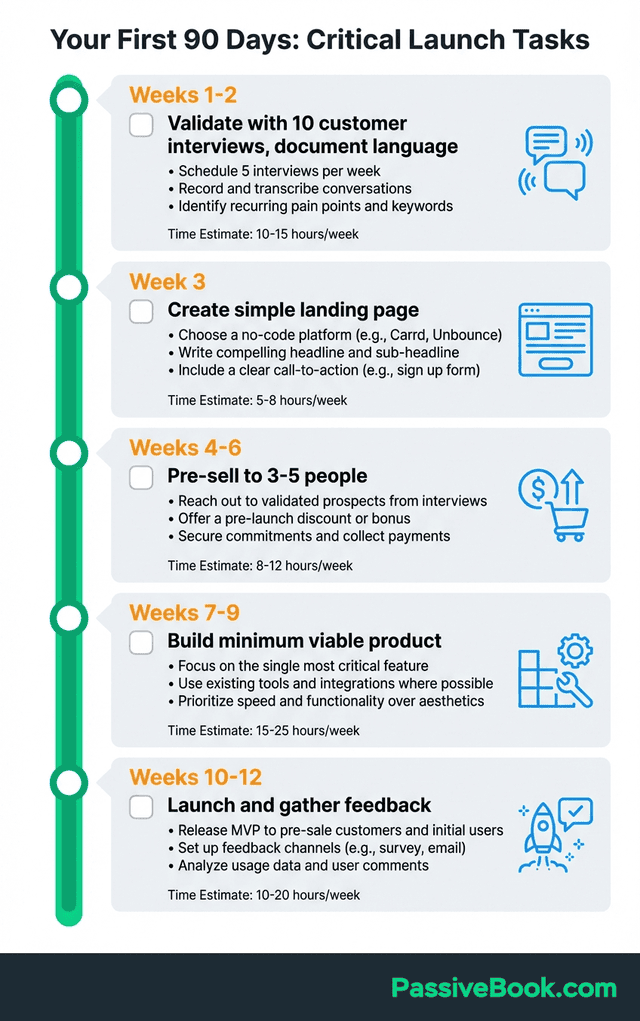
Week 4-6: Pre-sell to 3-5 people before building your full product or service.
Prioritize revenue-generating activities over perfecting your brand aesthetics. I spent my first month designing a logo and color palette for a business that never made a sale. Don’t repeat that mistake. An ugly website that converts beats a beautiful site with no traffic.
Set Measurable 90-Day Goals
Define concrete targets with numbers attached: 100 email subscribers, 10 customer interviews completed, first paying customer. Avoid vague goals like “build audience” or “increase awareness.”
A solopreneur launched and reached $1K monthly revenue in 90 days by setting weekly leading indicators. He tracked 5 pieces of content published and 50 email subscribers added each week, rather than obsessing over lagging revenue metrics during the launch phase.
Review your progress monthly using the lean startup build-measure-learn cycle. What worked? What didn’t? What will you test next? This continuous learning separates successful solopreneurs from those who launch once and give up.
How to Track Business Plan Success: 5 Essential Metrics
Your business plan is only useful if you measure performance against it. Track these five metrics monthly to manage your business based on data, not gut feeling:
Customer Acquisition Cost (CAC): Divide your total marketing spend by number of new customers. If you spent $300 on ads and gained 15 customers, your CAC is $20. This number should decrease as you optimize.
Conversion Rate: Track what percentage of email subscribers or website visitors become paying customers. Industry benchmarks vary, but 2-5% is typical for cold traffic and 10-20% for warm email lists.
Monthly Recurring Revenue (MRR) Growth: Calculate month-over-month revenue change as a percentage. Consistent 10-15% monthly growth indicates healthy momentum for subscription-based models.
Customer Lifetime Value (LTV): Multiply average purchase value × number of repeat purchases × average customer lifespan. If customers spend $50 twice per year for 3 years, LTV = $300. This should be 3x higher than CAC for sustainable growth.
Time to First Sale: Track how many days from launch until you close your first paying customer. Use this as your baseline to improve marketing efficiency in subsequent months.
Compare these metrics against your 90-day targets monthly. Stagnant numbers signal you need to pivot your approach, not just work harder.
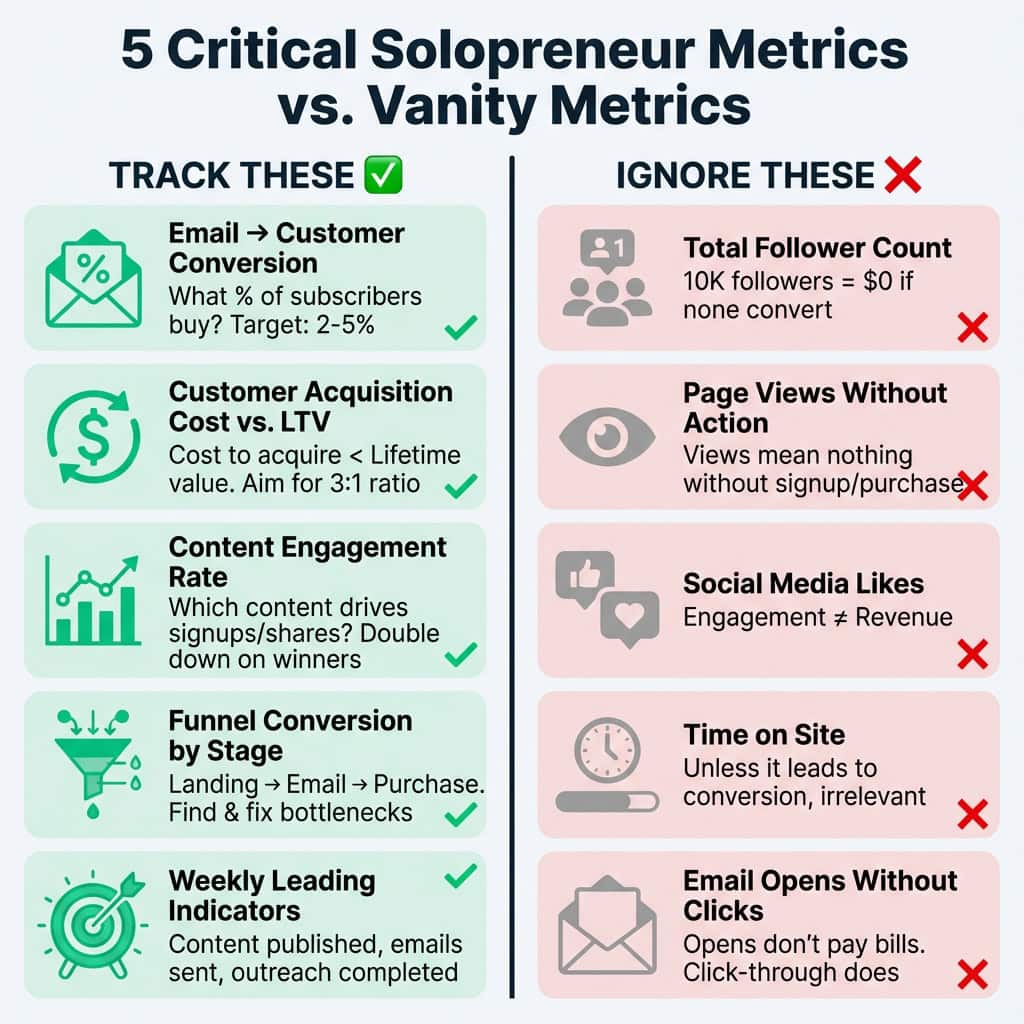
Track These Additional Metrics (Not Vanity Numbers)
Focus on metrics that directly correlate with revenue generation, not social proof that makes you feel good but doesn’t predict business growth.
Email list conversion rate: subscribers to customers – matters more than total follower count. A 1,000-person email list converting at 5% generates 50 customers. A 10,000-follower social media account converting at 0.5% generates the same 50 customers but requires 10x more effort to maintain.
Customer acquisition cost versus lifetime value determines sustainability. If you’re spending $40 to acquire a customer who buys a $30 product once, you’re losing money. If that customer buys three times over two years, you’re profitable.
Successful solopreneurs prioritize leading indicators like content published weekly and emails sent to their list over lagging revenue metrics during the launch phase. Revenue follows consistent activity, but the activity must be strategic and measurable.
Free Business Plan Templates and Tools
You don’t need expensive software to create a professional business plan. Our free online business template will help you get started.
Free Online Business Plan Notion Template
Frequently Asked Questions
What Are the 7 Main Points in a Business Plan?
The seven main points include your business concept and value proposition, target market definition, competitive analysis, marketing strategy, product or service description, financial projections, and operational milestones. For solopreneurs, focus on validation evidence over lengthy projections that assume perfect execution.
How Long Should an Online Business Plan Be?
One to two pages maximum for bootstrapped side hustles starting with limited capital. You’re not pitching investors who expect 20-page documents. Update your plan monthly during the first six months as you gather real customer data and refine your approach.
Can I Start My Business Without a Formal Business Plan?
Yes, but having a simple one-page plan increases your odds of success by forcing you to think through key elements like competitive analysis, market positioning, and revenue strategy before launching. See Step 1 for a step-by-step guide to validate your idea first, then use the free templates linked in this article to document your findings in under two hours total.
Do I Need Financial Projections If I’m Bootstrapping?
Yes, but simplify them to monthly revenue targets, basic expense tracking, and a breakeven timeline showing when your income covers your costs. See Step 6 for simplified financial planning guidance appropriate for bootstrapped businesses where you’re funding operations from personal savings or early revenue.
What’s the Difference Between a Business Plan and Executive Summary?
An executive summary is a one-page overview of your complete business plan, highlighting key points investors or partners need to know. For solopreneurs bootstrapping without external funding, your entire plan functions as an executive summary – keeping everything to one or two pages total.
Do I Need a SWOT Analysis in My Business Plan?
SWOT analysis – identifying Strengths, Weaknesses, Opportunities, and Threats – is helpful for competitive analysis but not required for bootstrapped side hustles. Instead, focus on validation evidence from customer interviews. Once you have 10-20 paying customers, revisit SWOT analysis to identify growth opportunities and potential risks.
What Next?
You now have a complete framework for creating your online business plan without the overwhelm of traditional formats designed for venture-backed companies. This isn’t theory. It’s the exact process I used to launch multiple online ventures while working full-time.
I know the path from idea to first sale feels uncertain right now. You’re juggling limited time, questioning whether your concept will work, and probably comparing yourself to entrepreneurs who seem to have it all figured out. But here’s what I learned: they started exactly where you are, with a simple plan and the willingness to test their assumptions.
If this guide helped clarify your next steps, hit those share buttons below and send this to another aspiring solopreneur who needs a realistic framework. Drop a comment telling me which step feels most challenging for your situation. I read every response and often create follow-up content based on the questions you ask.
Share this post with your friends & followers: