I spent six months chasing a trending topic in 2021, building a content business around crypto strategies. Built a Twitter thread series, recorded 12 videos, even drafted a mini-course. Then the market crashed and my entire content library became instantly obsolete. Zero residual value. That failure taught me a brutal lesson about how you allocate your scarce weekly hours as a solopreneur – and why focusing on proven evergreen topics matters more than chasing hype.
You’re facing a fork in the road right now. Pick an evergreen niche and you’ll grind for months before seeing traction, but the work compounds. Chase a trending niche and you might capture lightning in a bottle, or you might waste three months on content that expires before you monetize it. This article gives you a decision framework to stop second-guessing and start building.

- •What Is Evergreen vs Trend Niche?
- •Importance of Choosing the Right Niche
- 5-Step Framework for Choosing Your Niche Wisely
- •Allocating Time Between Evergreen and Trending Niches
- Niche Validation in 14 Days
- •Hard Truths Most Solopreneurs Ignore
- •Monetization Strategy for Each Niche Type
- •Frequently Asked Questions
- •What Next?
What Is Evergreen vs Trend Niche?
The evergreen vs trending debate centers on this: evergreen niches show steady, predictable demand year after year. Trending niches spike hard, then fade fast.
The fidget spinner craze illustrates this perfectly. Search volume exploded in early 2017, peaked in May, then collapsed by September. Creators who built entire YouTube channels around spinner tricks were left with dead content libraries within six months.
This distinction isn’t about platforms or content formats. A YouTube channel can serve an evergreen niche just as easily as a blog can chase trends. What matters is the underlying demand pattern you’re building on top of.
Think of it as asset design. Evergreen content becomes a pillar you reference and update for years. Trend content is a short-run play with a built-in sunset date. Both have a place in your portfolio, but you need to design each asset with its shelf life in mind.

Importance of Choosing the Right Niche
Wrong niche choice burns your limited weekly hours and tight budget on work that goes nowhere.
Competition intensified in 2025 compared to two years ago. Generic content gets buried while unique, authoritative answers surface.
If you pick the wrong niche, you won’t just lose time. You’ll lose the chance to build an owned audience before distribution costs spike further.
Consider the Milk Road newsletter. It rode the crypto trend wave to roughly 250,000 subscribers in under a year, then got acquired by Bitfo. The founders understood the trend would fade, so they focused on capturing email addresses instead of building their entire business on Instagram or TikTok. When the trend cooled, they had an asset they could sell.
For time-constrained solopreneurs, the winning strategy is clear: Anchor your business on evergreen demand to ensure your work compounds. Leverage trend spikes opportunistically to accelerate audience growth, but always funnel that attention into an owned channel like email. That way, when the trend fades, you keep the audience.
5-Step Framework for Choosing Your Niche Wisely
Most solopreneurs skip straight to brainstorming niche ideas without doing the foundational work. That approach leads to picking niches that sound exciting but don’t fit your actual constraints.
Start by listing your existing strengths, genuine interests, revenue goals to make money, and available weekly hours. Set a firm capacity cap. If you have 8 hours per week, don’t pick a niche that demands 20 hours of content production. You’ll burn out before you gain traction.
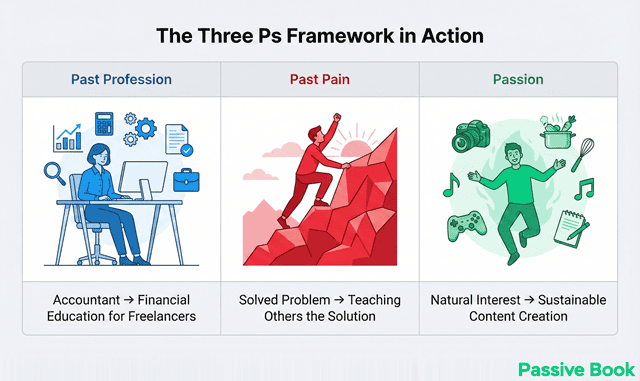
Next, define a specific buyer outcome your niche will deliver. “Fitness” is a hobby. “Help desk workers lose 15 pounds without a gym membership” is a buyer outcome with clear pain. Vague niches attract vague audiences who don’t convert.
Before committing, design a tiny trend test to validate real demand. Launch a preorder for a $9 mini-guide or aim to get five paying customers within two weeks.
CB Insights research shows “no market need” is the top reason startups fail. The same principle applies to solo businesses. If nobody will pay you $9 in week one, they won’t pay you $99 in month six.
The final step is applying a durability rubric before you commit. This scoring system keeps you honest about whether your niche can sustain a business beyond the first few months. Once you’ve scored your niche, the next decision is how much time to allocate to it versus testing new opportunities.
Evaluating Niche Durability
Evaluate each potential niche on four factors. Score each factor from 0 to 3. If your niche scores 8 or higher, it has the structural durability to support a bootstrap business.
Timelessness: Does search demand stay stable for 3+ years? A niche like “how to budget money” scores a 3. “How to use ChatGPT-4” scores a 1 because the tool will be obsolete in 18 months.
Purchase Frequency: Can customers buy repeatedly or upsell into higher tiers? Consumable products like meal plans or coaching score a 3. One-time purchases like wedding planning score a 1.
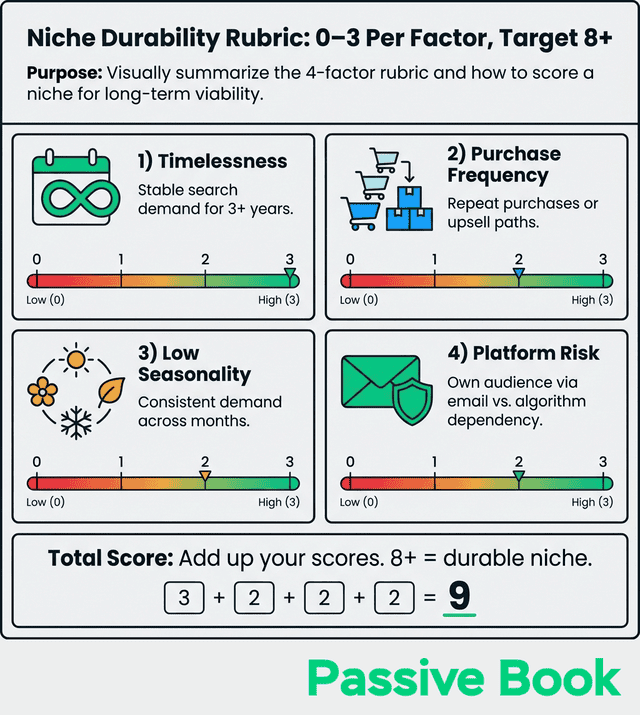
Low Seasonality: Does monthly demand stay consistent, or does one month spike 3x above average? Year-round niches like productivity score a 3. Halloween costume ideas score a 0.
Platform Risk: Can you capture email addresses from day one, or are you dependent on algorithm-driven platforms? If you own the customer relationship through email, score a 3. If you rely entirely on Instagram reach, score a 0.
Add up your scores. A niche that hits 8 or above gives you structural advantages that compound over time. Anything below 6 means you’re fighting uphill against the niche’s inherent limitations.
Allocating Time Between Evergreen and Trending Niches
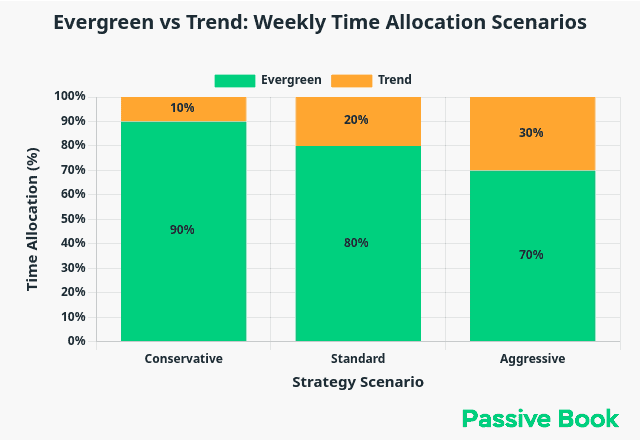
Pure evergreen strategies are safe but slow. Pure trend-chasing burns out fast. For time-constrained solopreneurs, I recommend a hybrid portfolio that anchors on evergreen while testing trends tactically.
Allocate 70 to 90 percent of your weekly hours to evergreen content and products. This is your compounding asset base. The remaining 10 to 30 percent goes to trend tests, with the exact split depending on your cash buffer and risk tolerance. If you have three months of expenses saved, you can afford to test more aggressively. If you’re living paycheck to paycheck, stick to 10 percent. With 6 hours weekly, spend 4.5 on evergreen and 1.5 testing trends.
Your next step: convert winning trends into evergreen assets. When a trend test succeeds, extract the core lesson and turn it into an updated guide, a product bundle, or a pillar page on your site. Moz documented how updating an evergreen post sustained traffic for years after the initial publish date.
A practical tactic is building pillar pages that serve as your evergreen hubs, then using social media updates and adding periodic update sections as new information emerges.
For example, a pillar page on “Email Marketing for Solopreneurs” stays relevant for years, but you add a 2025 update section when a major platform changes its deliverability rules. This keeps the page fresh without abandoning the evergreen foundation.
Niche Validation in 14 Days
I validated my last three niches in under 14 days each. You can get definitive proof of demand in two weeks if you structure the test correctly.
Days 1-3: Ship one evergreen mini-guide and one trend-related social post. Both assets should drive to the same single call to action, whether that’s an email opt-in or a $9 product preorder. Don’t dilute your effort across multiple offers. Use Gumroad.
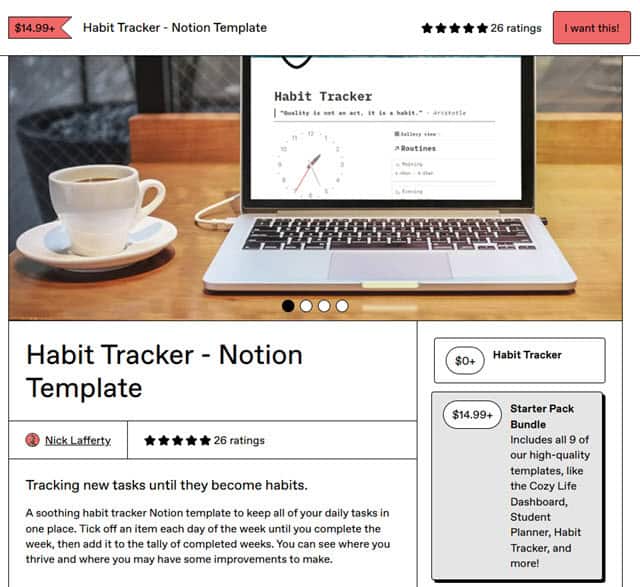
Days 4-7: Launch a pre-sell campaign for a $9 to $29 mini-offer related to your niche. Your goal is either 5 confirmed sales or 50 waitlist signups. If you hit neither threshold by day 7, you have weak demand signals. Time to pivot or kill the idea.
Days 8-10: Publish two social threads plus one short video under 90 seconds. Track unique opt-in clicks. You need at least 100 clicks to have enough data for meaningful conversion analysis.
Days 11-14: Calculate your metrics. If your click-through rate is 2 percent or higher and your conversion rate is 5 percent or higher, proceed with the niche. These are recommended baseline benchmarks for cold traffic – your actual thresholds may vary by niche. If you miss both benchmarks, kill the idea or pivot immediately. Send two follow-up emails to your small list to extract final feedback before you move on.
This protocol forces you to get real market feedback fast. Most solopreneurs waste months perfecting a product nobody wants. This approach gives you a kill switch at day 14 if the data says no.
Why Email is Your Most Valuable Asset
The ConvertKit Creator Economy Report confirms email remains the top owned channel for creators. Social platforms change algorithms overnight. Email lists are yours.
Every trend test, every viral post, every YouTube video should funnel attention to your email list. That’s how the Milk Road captured 250,000 subscribers before getting acquired. They knew the crypto trend would fade, but the email list would remain valuable regardless of market conditions.
If you’re validating a niche in 14 days, your primary success metric isn’t social followers. It’s email subscribers who opted in because they want your solution. Those subscribers become your asset, whether the initial niche is evergreen or trending.
Hard Truths Most Solopreneurs Ignore
Trend-chasing feels exciting until you realize you’ve burned three months on content that expires the moment the hype cycle ends. I learned this the hard way with that crypto project in 2021. I had dozens of Twitter threads, a partially built course, and video scripts. All of it became worthless overnight when the market crashed.
The problem isn’t trends themselves. It’s the lack of discipline around how much time you allocate to them.
Frequent pivots compound into burnout because you never see the compounding effect of evergreen work. You’re always starting from zero.
Mitigation strategy: cap your trend time at 3 hours per week maximum. Set a kill threshold. If a trend test doesn’t generate at least 2 percent signup rate or 5 preorders within two weeks, kill it and move on. Don’t fall into the sunk cost trap of “just one more week.”
The data backs this up. A Forbes study found 62 percent of creators report burnout, and 69 percent face financial instability. Chasing trends without a solid evergreen foundation is a major driver of both problems.
Google’s AI Overviews update raises the bar even further. Generic trend content gets filtered out. If you want to surface in AI-driven search results, you need unique, authoritative answers. That means evergreen expertise, not recycled trending takes.
Most solopreneurs underestimate how much time and consistency evergreen strategies require. They overestimate how quickly trends will pay off. Flipping that mental model is the first step toward sustainable growth.
Monetization Strategy for Each Niche Type
Different niches demand different ways to make money. Evergreen niches with deep expertise lend themselves to courses and memberships. Trending niches work better with quick-hit affiliate plays or digital downloads.
Launch courses with Teachable: This platform gives you full control over checkout flows, product bundles, upsells, and student analytics. Use this when you’re building a curriculum that stays relevant for 2+ years.
Build memberships on Patreon: Tiered access models work well when you have a loyal audience willing to pay for ongoing content and community. The predictable recurring revenue helps smooth out the income volatility that solopreneurs face.
Earn affiliate income via Amazon Associates: Write evergreen comparison guides and product roundups. Always disclose affiliate relationships. This model scales without additional product creation work, which is ideal when you’re time-constrained.
Sell digital downloads using Gumroad: Quick setup, built-in email capture, and no complex tech requirements. I used this to validate my first three product ideas in under 48 hours each.
The monetization model you choose should align with your niche’s durability score. High-durability niches justify the upfront work of building a course. Low-durability trending niches call for faster monetization through affiliates or simple digital downloads that you can ship in days, not months.
Frequently Asked Questions
What Is an Example of an Evergreen Product?
u003ca href=’https://nalgene.com/’u003eNalgene reusable water bottlesu003c/au003e sell consistently year-round across multiple customer segments. They’re not tied to a seasonal trend or a fleeting fad. The product solves a permanent need like hydration with a durable solution that customers recommend to others. That’s the hallmark of an evergreen product. It compounds through word-of-mouth instead of requiring constant new marketing spend.
Should I Abandon My Trending Niche If the Trend Starts Fading?
Not immediately. First, extract evergreen lessons from your trending content and republish them as standalone guides. Second, check your email list growth rate. If you captured 500+ subscribers during the trend spike, pivot your content to serve their broader needs. The Milk Road did this successfully when crypto cooled – they had built an asset through email that transcended the original trend. The vs trending debate isn’t binary when you’ve captured owned audience.
What Next?
You now have a decision framework that cuts through the noise. You know how to score niches on durability, how to validate demand in 14 days, and how to allocate your limited weekly hours between evergreen work and trend tests.
Choosing between evergreen vs trending niches isn’t a binary decision. It’s a portfolio allocation problem. Most time-constrained solopreneurs should anchor 70 to 90 percent of their effort on evergreen foundations, then dedicate the remaining bandwidth to testing trends that accelerate audience growth. The key is always funneling that attention into an owned channel like email, so you retain the value even when the trend fades.
Here’s my direct answer for 2025: If you have under 10 hours per week and less than $200 to invest, choose an evergreen niche and commit to 12 months of consistent content. You cannot win the trend speed game with limited time. If you have 15+ hours per week and a 3-month cash buffer, test the 80/20 hybrid split – anchor on evergreen but allocate 20% to trend tests that could accelerate your email list growth.
If you found this framework useful, hit the share buttons below and pass it along to another solopreneur stuck in analysis paralysis. Drop a comment with your answer to this question: What’s one niche you’ve been considering, and how would it score on the durability rubric? I’d love to hear where you’re leaning and why.
Share this post with your friends & followers: